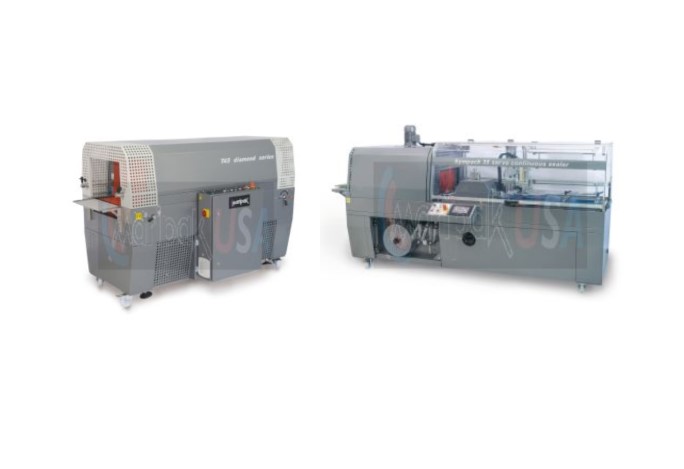
In modern packaging automation, smooth product movement between machines is just as important as the shrink-wrapping process itself. This is where conveyor systems play a critical role. A belt conveyor is a fundamental component of industrial packaging lines, especially in setups involving polyolefin shrink equipment, where consistent product flow ensures uniform sealing, shrinking, and final output quality.
What Is a Belt Conveyor?
A belt conveyor is a mechanical system designed to transport products from one stage of production to another using a continuous moving belt. In packaging environments, these conveyors are commonly used to feed products into sealing machines and carry them through heat tunnels.

For example, motorized flat belt conveyors like Maripak’s SMART Sync system are designed to provide smooth product transfer into shrink sealers and out of heat tunnels, forming a complete automated packaging line.
These conveyors are built for industrial durability and can handle continuous operation in high-volume packaging environments.
Role of Belt Conveyors in Polyolefin Shrink Equipment
Polyolefin shrink equipment relies on a sequence of coordinated machines, including sealers, shrink tunnels, and conveyors. The conveyor acts as the connecting bridge between each stage.
In a typical shrink packaging line:
- The conveyor feeds products into the sealing machine
- The sealed product moves onto the shrink tunnel via the belt system
- After heat shrinking, the conveyor carries finished products for collection or boxing
Without a reliable conveyor system, even advanced shrink machines cannot operate efficiently because product flow becomes inconsistent.
SMART Sync Conveyor Systems and Their Function
Modern packaging setups often use synchronized conveyor systems designed specifically for shrink equipment integration. These systems are engineered to match sealers and shrink tunnels, ensuring uninterrupted product movement.
The SMART Sync motorized flat belt conveyor, for instance, is designed for seamless in-feed and discharge between packaging machines. It connects directly to sealing and tunnel systems through integrated control interfaces, eliminating the need for separate power sources.
This synchronization ensures that all components of the shrink packaging line operate at the same speed and efficiency.
Key Benefits of Belt Conveyors in Shrink Packaging Lines
Improved Workflow Efficiency
Conveyors reduce manual handling and ensure continuous product movement, which increases packaging speed and reduces downtime.

Better Product Handling
Flat belt systems provide stable support, minimizing product shifting or damage during transport through shrink equipment.
Seamless Machine Integration
Modern conveyor systems are designed to integrate directly with shrink sealers and heat tunnels, creating a unified packaging system.
Reduced Labor Requirements
Automation through conveyors reduces the need for manual product transfer between machines, lowering operational costs.
Importance in Polyolefin Shrink Applications
Polyolefin shrink systems are widely used for retail-ready packaging due to film clarity and durability. However, the performance of these systems depends heavily on the conveyor system.
A well-designed belt conveyor ensures:
- Consistent spacing between products entering the shrink tunnel
- Proper alignment during sealing and shrinking
- Smooth discharge of finished packages
This consistency is essential for maintaining the high-quality finish expected from polyolefin shrink film packaging.
Common Features of Industrial Belt Conveyors
Industrial-grade conveyors used in shrink packaging systems often include:
- Adjustable height settings for different production layouts
- Motorized drive systems for continuous movement
- Heavy-duty frames for long-term durability
- Synchronization with sealing and tunnel equipment
- Modular designs for flexible installation
These features allow manufacturers to customize packaging lines based on production needs.
Maintenance Considerations
To ensure long-term efficiency, belt conveyors must be properly maintained. Key maintenance tasks include:
- Regular inspection of belt alignment and tension
- Cleaning to prevent product residue buildup
- Lubrication of moving parts
- Checking synchronization with connected shrink equipment
Proper maintenance reduces breakdowns and ensures consistent performance in high-speed packaging environments.
Conclusion
Belt conveyors are a critical component in modern packaging systems, especially when integrated with polyolefin shrink equipment. They ensure smooth product flow, improve efficiency, and maintain consistency throughout the shrink-wrapping process. As packaging automation continues to evolve, reliable conveyor systems like those used in advanced shrink lines remain essential for achieving high-quality, efficient, and scalable production workflows.