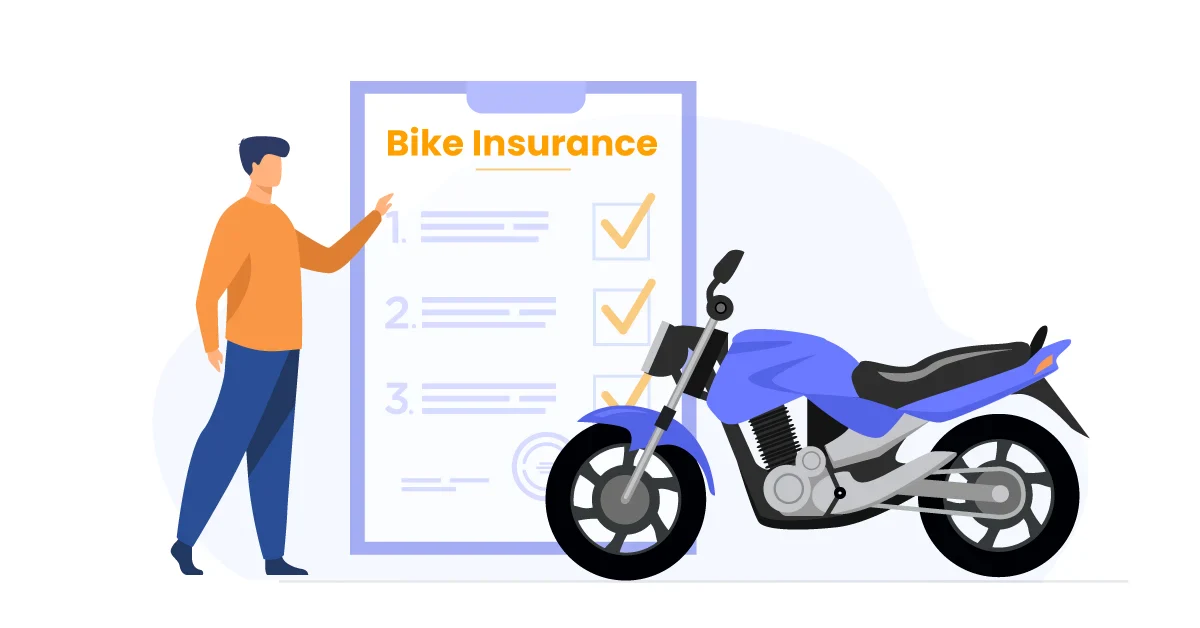
If you own a two-wheeler in India, third party bike insurance is not optional — it is the minimum legal requirement under the Motor Vehicles Act, 1988. Without it, riding on public roads exposes you to fines, legal liability, and serious financial risk. Yet many bike owners approach this purchase without fully understanding what it covers, what it excludes, and how to choose wisely.
This guide walks you through everything you should know before selecting third-party bike insurance today.
What Is Third Party Bike Insurance?
Third party bike insurance is a policy that protects you financially if your vehicle causes damage or injury to another person, vehicle, or property. The “third party” is anyone outside the insurance contract — not you (the first party) or the insurer (the second party), but someone else affected by an accident involving your bike.
Under this policy, if your two-wheeler:
- Injures or kills another person
- Damages someone else’s vehicle or property
- Causes any other third-party loss
…the insurer pays compensation to the affected party on your behalf. Without this cover, those costs fall entirely on you — and in the case of serious injury or death, Motor Accident Claims Tribunal awards can run into lakhs or crores of rupees.
What Does Third Party Bike Insurance Cover?
Third party bike insurance provides the following protections:
Third-party bodily injury or death: There is no upper limit on the compensation payable for death or injury to a third party. The Motor Accidents Claims Tribunal determines the award based on the victim’s income, age, and the severity of injury.
Third-party property damage: Damage caused to a third party’s vehicle, home, or other property is covered up to ₹1 lakh under standard third-party policies.
Personal accident cover for the owner-driver: A mandatory personal accident cover of ₹15 lakh is bundled with every third-party bike insurance policy, providing compensation in case of accidental death or permanent disability of the insured rider.
What Third Party Bike Insurance Does Not Cover
It is equally important to understand what this policy does not protect against:
- Damage to your own bike — whether from an accident, fire, flood, theft, or any other cause
- Injuries sustained by the owner-rider (beyond the bundled PA cover)
- Damage caused while the vehicle is being used for purposes outside the policy scope (e.g., racing, commercial carriage)
- Claims arising when the rider does not hold a valid driving licence
If comprehensive protection — including coverage for your own bike — is a priority, consider two wheeler insurance with a comprehensive plan rather than relying solely on third-party cover.
How Is Third Party Bike Insurance Premium Calculated?
Unlike comprehensive policies, third-party bike insurance premiums are not market-determined. They are set and revised periodically by the Insurance Regulatory and Development Authority of India (IRDAI). The premium depends primarily on:
- Engine capacity: Bikes with smaller engines (up to 75cc) attract lower premiums. Premiums step up for 75cc–150cc, 150cc–350cc, and above 350cc categories.
- Vehicle type: Electric two-wheelers have their own separate premium slabs.
Because premiums are regulated, they are identical across all insurers for the same vehicle category. This means price should not be your deciding factor — claims handling, policy terms, and insurer reputation matter far more.
How Long Is the Policy Valid?
For new bikes, IRDAI mandates a long-term third-party insurance policy:
- New two-wheelers must be covered by a 5-year third-party policy at the time of purchase.
- For existing bikes at renewal, annual third-party policies can be purchased.
This long-term requirement was introduced to reduce the high rate of uninsured two-wheelers on Indian roads.
Key Factors to Consider Before Buying
1. Insurer’s Claim Settlement Ratio
Even for third-party policies where premiums are regulated, insurers differ in how efficiently and fairly they handle claims. The IRDAI publishes annual claim settlement ratios for all registered insurers — check this before committing to a provider.
2. Customer Support Quality
If you’re involved in an accident, you need to be able to reach your insurer quickly. Test the responsiveness of customer helplines and check whether the insurer offers 24/7 support before you buy.
3. Ease of Policy Issuance and Renewal
A digital-first insurer that allows you to purchase and renew entirely online saves considerable time. Look for providers offering instant policy issuance and digital policy documents.
4. Bundled Add-On Availability
If you might want to upgrade to comprehensive cover later, check whether your insurer offers the flexibility to add own-damage cover as a standalone policy alongside the existing third-party cover.
5. Long-Term Policy Terms
For new bike buyers taking a 5-year policy, read the terms around mid-term changes — what happens if you sell the bike, modify it, or need to change the policy details during the tenure.
Common Mistakes to Avoid
Letting the policy lapse: A lapsed third-party policy means you’re riding illegally. Even a single day without valid cover exposes you to penalties and full personal liability. Set a renewal reminder well before the expiry date.
Assuming it covers your bike damage: This is the most common misconception. Third-party cover protects others from your bike — it does not protect your bike from anything. If that matters (and for most bike owners it should), you need a comprehensive plan.
Not updating insurer about major modifications: Significant modifications to your bike (engine changes, performance upgrades) should be declared to your insurer. Undisclosed modifications can lead to claim rejection.
Choosing purely on premium: As noted, third-party premiums are regulated and identical across insurers. Making your decision based on premium alone means ignoring the factors that actually matter.
Should You Upgrade to Comprehensive Cover?
Third party cover is the legal minimum — not necessarily the smart minimum. For bikes that are relatively new, expensive, or used daily, the absence of own-damage cover means you bear all repair costs yourself after any accident, theft, fire, or natural disaster.
A comprehensive [two wheeler insurance](www.bajajfinserv.in/insurance/two-wheeler-insurance-all-products) plan adds own-damage cover to the mandatory third-party component, giving you all-round protection. For most active riders, this is the more financially rational choice.
The additional premium for comprehensive cover, spread over a year, is typically a fraction of what a single repair from an uninsured accident would cost.
Conclusion
Third party bike insurance is the foundation of responsible bike ownership in India — legally required, relatively affordable, and essential protection against the unpredictable costs of causing harm to others. Before you choose a policy, understand its scope, verify your insurer’s claims track record, and honestly assess whether you need more than the minimum. The right decision today could save you from serious financial exposure tomorrow.
Insurance terms, premium slabs, and regulations are subject to revision by IRDAI. Always read your policy document carefully before purchase.