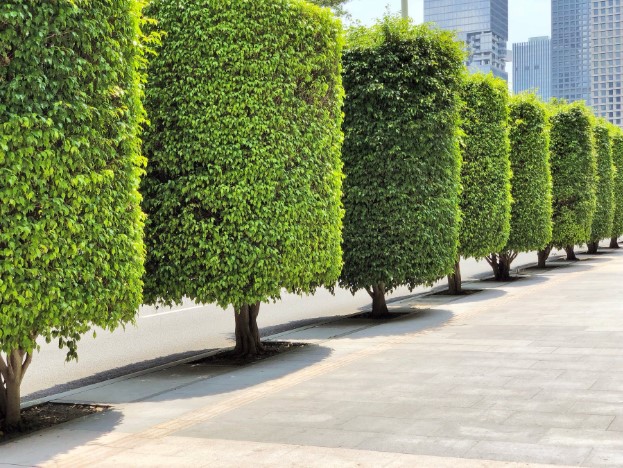
Creating a private and peaceful outdoor space has become increasingly important for homeowners. Many people choose privacy trees to reduce noise, block unwanted views, and improve the overall appearance of their landscape. Unlike fences or walls, trees provide a natural and visually appealing barrier while also supporting the environment. Selecting the right trees requires understanding growth patterns, maintenance needs, and climate suitability. With proper planning and care, privacy trees can transform outdoor areas into comfortable and attractive living spaces that offer both beauty and functionality throughout the year.
Why Privacy Trees Are Popular
The privacy trees provide natural screening that blends seamlessly into residential landscapes. They help create separation between neighboring properties while reducing exposure to traffic and street noise. Many homeowners prefer trees because they improve air quality and add greenery to outdoor environments. Dense evergreen varieties maintain coverage throughout the year, making them highly effective for long-term privacy. Their natural appearance also enhances property value and contributes to a more relaxing outdoor atmosphere.

Choosing the Right Tree Variety
Selecting the correct tree species is essential for successful landscaping. Some trees grow quickly and provide faster coverage, while others develop slowly but offer greater durability. Evergreen varieties are often preferred because they retain foliage year-round. Climate conditions, soil type, and available space should all be considered before planting. Choosing trees suited to the local environment improves growth rates and reduces long-term maintenance requirements.
Consider Growth Height and Width
Different tree species vary greatly in mature size and shape. Homeowners should consider both height and width before planting near fences, buildings, or driveways. Narrow column-shaped trees work well in smaller yards, while wider varieties provide denser coverage for larger spaces. Proper spacing between trees allows healthy root development and prevents overcrowding. Understanding growth dimensions helps maintain balanced landscaping while maximizing privacy benefits.
Benefits Beyond Privacy
In addition to screening, privacy trees provide several environmental and practical advantages. Trees can reduce wind exposure, create shade, and improve energy efficiency around homes. They also support wildlife by offering shelter for birds and pollinators. Natural greenery contributes to improved outdoor comfort and can make properties feel more inviting.

Planting and Maintenance Tips
Proper planting techniques help trees establish strong root systems. Newly planted trees require consistent watering during the early growth stages. Mulching around the base helps retain soil moisture and reduces weed growth. Regular pruning improves shape and encourages healthy branch development. Fertilization may also support stronger growth depending on soil quality. Consistent maintenance helps privacy trees remain dense, healthy, and visually appealing for many years.
Fast-Growing Options for Quick Coverage
Some homeowners prefer fast-growing trees to create privacy more quickly. Fast-growing evergreens can establish an effective screen within a few years when properly maintained. These varieties are useful for reducing visibility from neighboring properties or busy roads. However, rapid growth may require more frequent trimming and care. Balancing growth speed with maintenance expectations helps homeowners choose the best option for their landscaping goals.
Common Mistakes to Avoid
Improper tree placement is one of the most common landscaping mistakes. Planting trees too close together can limit airflow and create unhealthy growing conditions. Choosing species unsuited to the climate may also lead to poor growth or disease. Overwatering and neglecting pruning can weaken a tree’s structure over time. Careful planning and regular maintenance reduce these risks and support long-term landscape success.
Conclusion
Adding them to residential landscapes is an effective way to create natural screening while improving outdoor aesthetics. These trees provide long-term benefits such as shade, noise reduction, and increased property appeal. Choosing the right species, understanding growth requirements, and maintaining healthy planting conditions all contribute to successful landscaping results. Whether used for backyard privacy or decorative borders, properly selected trees can significantly enhance outdoor living spaces. With careful planning and ongoing care, privacy trees remain one of the most practical and visually appealing solutions for natural property screening.