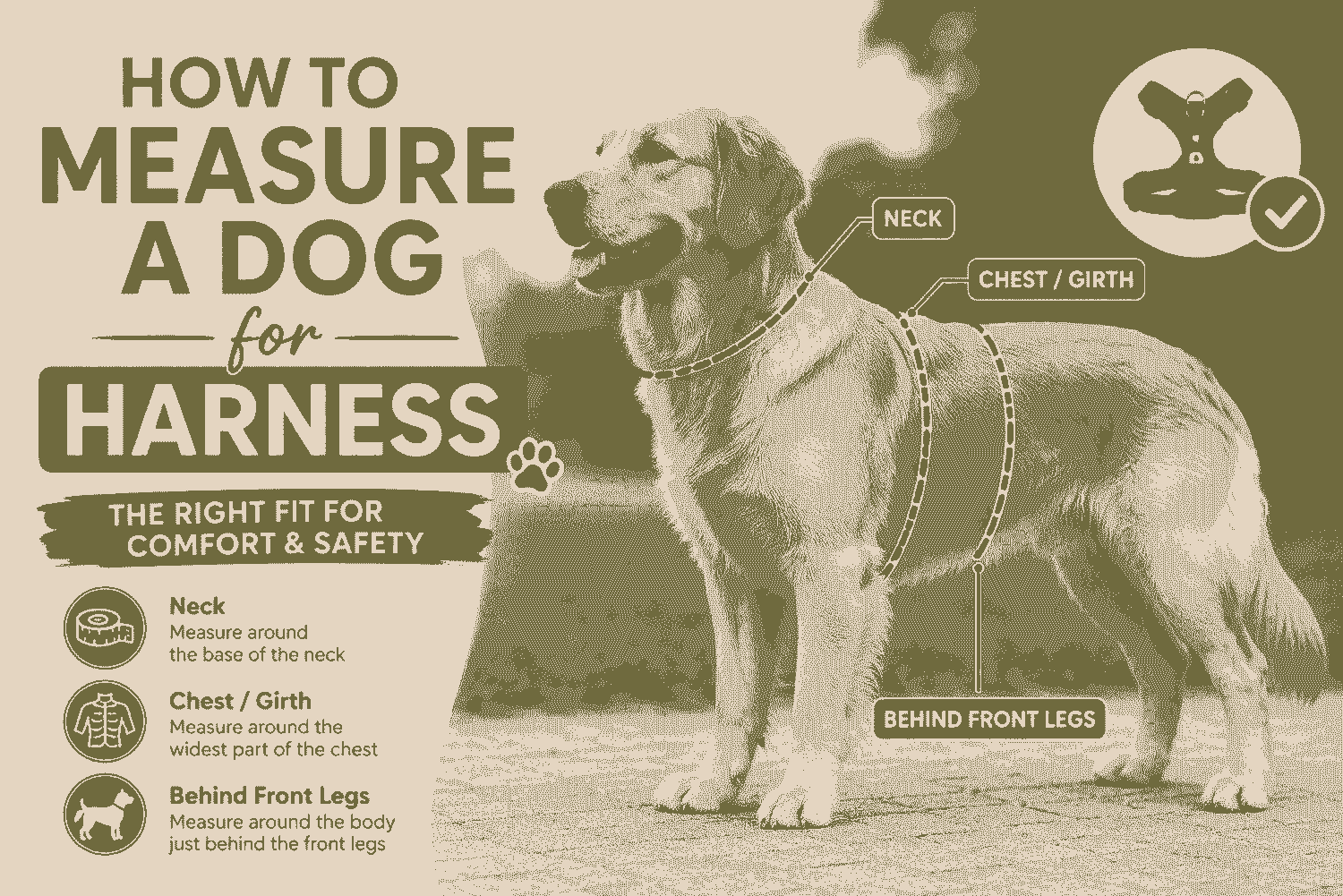
Choosing the right harness for your dog is one of the most important decisions for any pet owner. A good harness not only keeps your dog safe during walks but also improves comfort, training, and control. Many people buy harnesses based only on appearance without checking the correct size, which can create problems for the dog later. That is why it is very important to Measure a dog for a harness before purchasing one.
Today, the market is filled with different styles and sizes of Dog Harnesses, making it difficult to select the right option. However, once you understand how measurements work and what type of harness suits your dog, the process becomes much easier.
Why Dog Harnesses Are Important
Traditional collars can sometimes place too much pressure on a dog’s neck, especially if the dog pulls during walks. This pressure may lead to discomfort, breathing issues, or even neck injuries in some breeds. On the other hand, Dog Harnesses distribute pressure evenly across the chest and shoulders, making walks safer and more comfortable.
Harnesses are particularly beneficial for:
- Puppies that are still learning leash behavior
- Small breeds with delicate necks
- Large dogs that pull strongly
- Senior dogs needing extra support
- Dogs recovering from injuries
A properly fitted harness gives the owner better control while allowing the dog to move naturally.
Why Proper Measurement Matters
One of the biggest mistakes pet owners make is guessing the size instead of taking proper measurements. Every dog has a unique body shape, even within the same breed. A harness that fits one Labrador may not fit another perfectly.
If the harness is too tight, it can cause:
- Skin irritation
- Restricted movement
- Difficulty breathing
- Hair loss around straps
If the harness is too loose, your dog may slip out of it during walks, which can become dangerous in crowded or busy areas.
This is why experts always recommend taking time to Measure a dog for a harness correctly before buying.
Tools You Need for Measuring
The good news is that measuring your dog is very simple. You only need a few basic things:
- A soft measuring tape
- A notebook or phone to record measurements
- Treats to keep your dog calm and cooperative
If you do not have a measuring tape, you can use a string and then measure it with a ruler later.
Step-by-Step Guide to Measure a Dog for a Harness
1. Measure the Chest Girth
The chest girth is the most important measurement for most Dog Harnesses. Wrap the measuring tape around the widest part of your dog’s chest, usually just behind the front legs.
Make sure:
- The tape is snug but not tight
- Your dog is standing naturally
- You leave enough room for comfort
Write down the measurement carefully.
2. Measure the Neck
Next, measure around the lower part of the neck where the harness will rest. Do not measure too high like a collar position because harnesses usually sit lower.
Again, keep the tape comfortably loose.
3. Measure the Body Length (Optional)
Some harness brands may ask for body length measurements, especially for large breeds. Measure from the base of the neck to the beginning of the tail.
4. Check the Weight Guide
Most harness manufacturers also provide weight recommendations. Combine your measurements with your dog’s weight for the most accurate fit.
Tips for Accurate Measurements
To get the best results when you Measure a dog for a harness, follow these useful tips:
Measure Twice
Always double-check measurements because small mistakes can lead to the wrong size.
Keep Your Dog Calm
Measure when your dog is relaxed. Hyperactive dogs can make the process difficult.
Do Not Pull the Tape Tight
A tight tape may result in buying a harness that feels uncomfortable.
Use the Brand Size Chart
Every brand has slightly different sizing. Never assume that “medium” means the same everywhere.
Different Types of Dog Harnesses
There are many kinds of Dog Harnesses, each designed for specific purposes. Understanding these options can help you choose wisely.
Back-Clip Harness
This is one of the most common styles. The leash attaches on the back, making it suitable for calm dogs and everyday walking.
Pros
- Easy to wear
- Comfortable for most dogs
- Good for small breeds
Cons
- Not ideal for strong pullers
Front-Clip Harness
Front-clip harnesses are designed to reduce pulling by redirecting the dog toward the owner.
Pros
- Better control during walks
- Helpful for training
- Reduces pulling behavior
Cons
- Some dogs need time to adjust
No-Pull Harness
No-pull harnesses are specifically made for training dogs that constantly pull on the leash.
Benefits
- Improves walking behavior
- Prevents choking
- Gives more control to owners
These harnesses are popular among trainers and active dog owners.
Step-In Harness
A step-in harness allows dogs to step into the harness before securing it on top.
Best For
- Small dogs
- Dogs uncomfortable with overhead harnesses
Tactical and Outdoor Harnesses
These are heavy-duty Dog Harnesses designed for hiking, outdoor adventures, or working dogs.
They often include:
- Strong handles
- Extra padding
- Storage pouches
- Durable materials
Signs Your Dog’s Harness Does Not Fit Properly
Even after you Measure a dog for a harness, it is important to check the fit once the harness is worn.
The Harness Is Too Tight If:
- Your dog struggles to move
- Red marks appear on the skin
- Fur gets rubbed away
- Breathing looks uncomfortable
The Harness Is Too Loose If:
- The harness rotates around the body
- Your dog can escape easily
- Straps hang too far away from the body
A good harness should feel secure but still allow free movement.
Best Materials for Dog Harnesses
When buying Dog Harnesses, material quality matters a lot.
Nylon Harnesses
Nylon is lightweight, durable, and affordable. It is one of the most common materials.
Mesh Harnesses
Mesh provides better airflow and is ideal for hot weather.
Leather Harnesses
Leather harnesses are stylish and durable but usually more expensive.
Reflective Harnesses
These harnesses improve visibility during nighttime walks and increase safety.
How to Train Your Dog to Wear a Harness
Some dogs may initially dislike wearing a harness. Patience and positive reinforcement are important.
Introduce the Harness Slowly
Allow your dog to sniff and inspect the harness before wearing it.
Use Treats and Praise
Reward your dog whenever they stay calm while wearing the harness.
Start Indoors
Practice inside the house before going outside for walks.
Most dogs adjust within a few days.
Common Mistakes Dog Owners Make
Many people make avoidable mistakes while choosing Dog Harnesses.
Choosing Based Only on Looks
A stylish harness is useless if it does not fit properly.
Ignoring Measurements
Skipping the process to Measure a dog for a harness often leads to poor fitting.
Buying Cheap Low-Quality Products
Low-quality harnesses may break easily and compromise safety.
Not Adjusting the Straps
Even the correct size needs proper strap adjustments for a secure fit.
How Often Should You Replace a Harness?
Dog harnesses do not last forever. Replace the harness if:
- Straps become loose
- Buckles break
- Fabric tears
- Your dog outgrows it
Regularly inspect the harness for signs of damage.
Final Thoughts
Choosing the perfect harness is about more than style or price. Your dog’s comfort and safety should always come first. By taking time to properly Measure a dog for a harness, you can avoid common fitting problems and ensure a better walking experience.
With so many types of Dog Harnesses available today, understanding your dog’s size, behavior, and activity level will help you make the right choice. A well-fitted harness can improve training, increase safety, and make daily walks more enjoyable for both you and your pet.
Leave a Reply