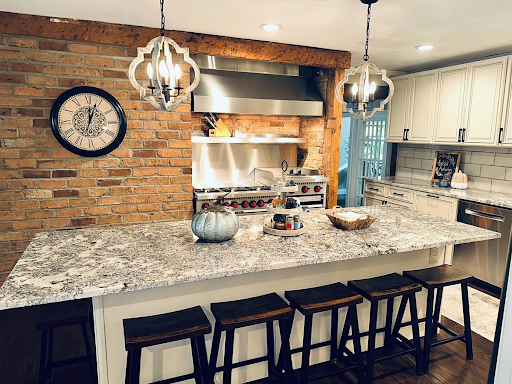
Modern kitchens are designed to balance style, efficiency, and functionality. As cooking methods evolve and kitchen layouts become more compact and open, proper ventilation has become an essential part of home design. Without effective air management, cooking byproducts such as smoke, grease, and odors can quickly affect indoor air quality and overall comfort.
One of the most practical and widely used ventilation solutions is the under-cabinet kitchen range hood, which offers efficient airflow management while saving valuable kitchen space.

The Importance of Kitchen Ventilation
Cooking produces heat, steam, smoke, and airborne grease particles that can linger in the kitchen if not properly removed. Over time, these pollutants can settle on surfaces, damage cabinetry, and reduce indoor air quality.
A well-functioning ventilation system helps:
- Remove smoke and cooking odors
- Reduce heat buildup in the kitchen
- Capture airborne grease particles
- Improve overall air quality
- Protect kitchen surfaces from residue
These benefits make ventilation systems an essential component of any modern kitchen setup.
What Makes Under-Cabinet Range Hoods Popular?
The under-cabinet kitchen range hood is one of the most common types of kitchen ventilation systems due to its practical design and space-saving installation. It is typically mounted beneath kitchen cabinets above the cooking surface, allowing it to integrate seamlessly into existing layouts.
Key reasons for its popularity include:
- Space-efficient design
- Easy installation in most kitchens
- Compatibility with standard cabinetry
- Effective airflow performance
- Affordable and widely available options
This combination of functionality and convenience makes it a preferred choice for many homeowners.
How Under-Cabinet Range Hoods Work?
Range hoods function by capturing airborne particles and either venting them outside or filtering and recirculating the air. The system typically includes a fan, filters, and a ducting or recirculation mechanism.
Air Extraction Process
When cooking begins, the hood’s fan draws in air containing smoke, steam, and grease particles. This air is then either expelled outdoors through ductwork or passed through filters before being recirculated.
Filtration System
Filters trap grease and other particles, preventing them from accumulating in the ductwork or re-entering the kitchen environment. Regular cleaning or replacement of filters ensures optimal performance.
The effectiveness of an under-cabinet kitchen range hood depends on proper installation, airflow capacity, and regular maintenance.
Benefits of Installing a Range Hood
Installing a ventilation system offers both immediate and long-term advantages for homeowners.
Improved Air Quality
One of the most significant benefits is the improvement of indoor air quality. By removing airborne pollutants, the kitchen remains cleaner and healthier.

Cleaner Kitchen Surfaces
Grease and smoke particles can accumulate on cabinets, countertops, and walls. A range hood helps reduce this buildup significantly.
Enhanced Cooking Comfort
Better ventilation reduces heat and odors, making the cooking environment more comfortable and enjoyable.
Increased Home Value
Modern kitchen upgrades, including ventilation systems, can enhance property appeal and increase resale value.
These benefits highlight why many homeowners consider installing an under-cabinet kitchen range hood as part of kitchen renovation or upgrade projects.
Types of Under-Cabinet Range Hoods
There are several variations available, each designed to meet different kitchen needs and preferences.
Ducted Range Hoods
These systems vent air outside the home, offering strong and efficient removal of smoke and odors.
Ductless Range Hoods
These systems filter air and recirculate it back into the kitchen, making them suitable for homes without external venting options.
Convertible Range Hoods
Convertible models can operate in both ducted and ductless modes, offering flexibility depending on installation requirements.
Each type provides different advantages based on kitchen layout and ventilation needs.
Maintenance and Care Tips
Regular maintenance is essential to ensure long-term performance and efficiency.
Key maintenance practices include:
- Cleaning grease filters regularly
- Wiping down exterior surfaces
- Checking fan performance
- Replacing filters when necessary
- Inspecting duct connections, if applicable
Proper upkeep helps extend the lifespan of the system and maintain consistent performance.
Conclusion
Effective kitchen ventilation is essential for maintaining a clean, comfortable, and efficient cooking space. Many homeowners also compare different installation options, such as a 30-inch stove vent hood, when selecting the most suitable ventilation solution for their kitchen layout and cooking needs. Proper airflow management not only improves air quality but also protects kitchen surfaces and enhances the overall cooking experience.