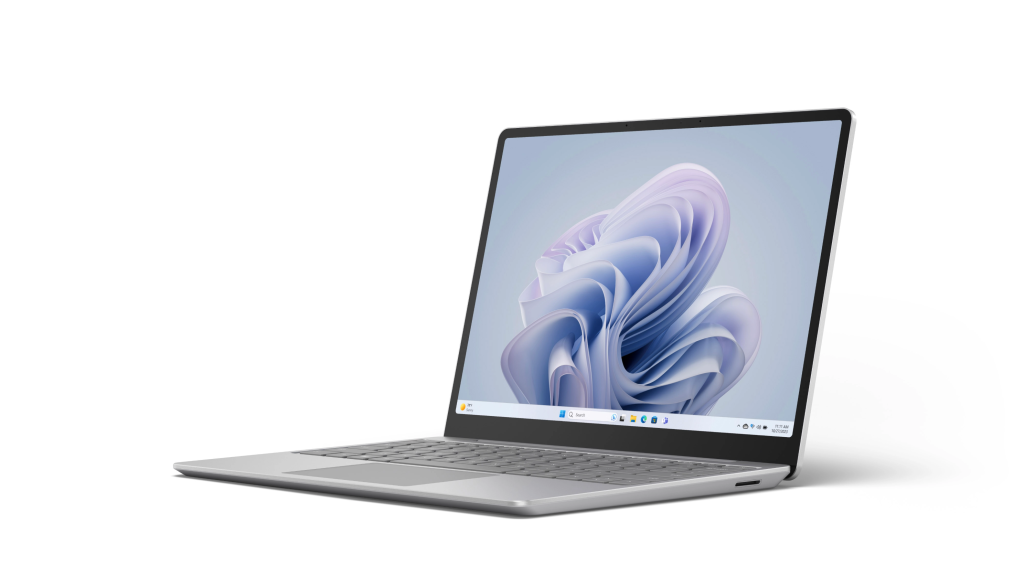
Modern businesses depend on speed, clarity and reliable technology to stay productive every day. Employees handle large files, join virtual meetings, run data tools and manage creative work without pause. Therefore organisations now look for systems that respond quickly, learn from user behavior and adapt to changing workloads.
A smart AI-powered laptop stands at the center of this shift because it combines intelligent processing with consistent performance. Instead of acting like a basic machine it studies usage patterns, manages resources wisely and supports smoother multitasking. As expectations grow across departments, decision makers want clear standards to measure value.

They need benchmarks that show how well a device performs under real business pressure. When you understand these benchmarks you can support your goals, strengthen productivity and deliver measurable results across every workflow.
1. Faster Processing Speed Under Real Workloads
Processing speed remains the first benchmark most professionals evaluate because daily performance depends on how quickly a laptop handles tasks. A smart AI-powered laptop uses advanced processors and AI engines that adjust performance based on workload demands. As a result the system shifts power to heavy applications during peak use and then balances energy when tasks lighten.
When you open large spreadsheets, edit high resolution media or analyze datasets the laptop must respond without delay. Therefore you should expect consistent responsiveness even while multiple applications run together. Moreover the device should reduce lag during startup file transfers and software launches.
Strong processing benchmarks include stable clock speeds, intelligent workload distribution and smooth multitasking. When these elements work together teams complete assignments faster and maintain focus without technical interruptions.
2. Intelligent Multitasking Performance
Multitasking defines modern work because professionals rarely rely on one tool at a time. A smart system should manage emails, cloud platforms, analytics dashboards and communication tools together without slowing down. Instead of freezing or overheating the system should learn which apps you use most and prioritize them.
You should expect performance that supports
- Running several business applications at once
- Switching between tasks without screen delay
- Maintaining stable performance during video meetings and document editing
Why Multitasking Benchmarks Matter
When multitasking works smoothly teams avoid frustration and maintain steady output throughout the day. Furthermore intelligent memory management ensures that background processes do not consume resources needed for active tasks. As a result employees can focus on strategy collaboration and execution rather than waiting for systems to catch up.
3. AI Driven Battery Optimization
Battery life influences productivity especially for professionals who travel or work across locations. An AI-powered laptop uses AI algorithms to track usage patterns and adjust power consumption throughout the day. Instead of draining quickly under light tasks the system balances brightness processing load and background activity.
You should expect extended battery performance during meetings, presentations and remote sessions. Moreover intelligent charging patterns help protect battery health over time which supports long term value.
Strong battery benchmarks include:
- Full workday usage under mixed workloads
- Fast charging that restores power quickly
- Smart energy management that adapts to daily habits
Therefore reliable battery performance ensures that productivity continues without sudden interruptions.
4. Real Time AI Acceleration for Productivity Tools
AI acceleration defines the core strength of a smart AI laptop because it enhances applications that rely on machine learning and automation. From speech recognition to image enhancement the system should process AI tasks locally with speed and accuracy.
When teams use virtual assistants transcription tools or data analysis platforms they need instant responses. Therefore the laptop should include dedicated AI processing units that handle these operations without slowing other tasks.

Key acceleration benchmarks include:
- Faster rendering for AI based design tools
- Real time noise reduction during calls
- Quick data analysis for business intelligence software
How AI Acceleration Improves Daily Work
As AI handles repetitive processes, employees gain more time for creative and strategic work. Furthermore real time processing ensures that meetings sound clearer and presentations look sharper. Consequently the laptop becomes a productivity partner rather than a simple device.
5. Advanced Thermal Management and Stability
High performance often leads to heat generation however a smart laptop should maintain stable temperatures under pressure. Intelligent thermal systems monitor internal activity and adjust cooling dynamically. As a result the laptop sustains speed without performance drops.
You should expect:
- Stable operation during long work sessions
- Quiet cooling systems that reduce distraction
- Consistent performance without sudden slowdowns
When thermal management performs well the device maintains reliability throughout demanding tasks. Moreover consistent stability protects hardware components and extends system lifespan. Therefore thermal benchmarks play a vital role in evaluating long term performance value.
6. High Speed Connectivity and Data Transfer
Modern workflows rely on fast connectivity because teams share files, collaborate in real time, and access cloud platforms daily. A smart system should support high speed wireless standards such as the latest Wi-Fi generations and stable Bluetooth connections for peripheral devices. Instead of losing signal during meetings, the system should maintain clarity and speed even when multiple applications run simultaneously.
Performance benchmarks for connectivity include:
- Quick file uploads and downloads
- Smooth video conferencing without lag
- Stable connections in busy office environments
In addition, a high-performing system should handle large data transfers without slowing down background tasks. For example, when teams upload high-resolution design files or transfer analytics reports, the connection should remain uninterrupted.
Network stability also plays an important role in hybrid and remote work environments where employees rely on VPN access and secure cloud dashboards.
7. Security Intelligence and Adaptive Protection
Security now stands as a core performance expectation rather than an optional feature. An AI-powered laptop should use AI based threat detection to monitor unusual behavior in real time. Instead of reacting after a breach, the system identifies risks early and protects sensitive data before damage occurs.
You should expect performance that includes:
- Facial recognition or biometric login for secure access
- AI driven malware detection
- Real time alerts for suspicious activity
Beyond these core capabilities, advanced systems should also support hardware-level encryption and secure boot processes. This ensures that devices remain protected even before the operating system fully loads. Intelligent monitoring tools can analyze patterns of user behavior and detect anomalies, such as unauthorized login attempts or unexpected file transfers.
Adaptive protection means the system continuously learns from new threat patterns. As cyber risks evolve, the laptop’s security engine updates itself to recognize emerging vulnerabilities. This proactive defense strategy reduces reliance on manual monitoring and strengthens enterprise-level data protection.
Conclusion
Technology should support people rather than slow them down, and that belief guides the rise of the smart AI-powered laptop. When you evaluate performance through clear benchmarks, you move beyond marketing claims and focus on real business impact, measurable results, and meaningful outcomes. Processing power, multitasking intelligence, battery strength, AI acceleration, thermal stability, connectivity, and security together create a balanced, reliable system that adapts seamlessly to modern demands and evolving workflows.
As a result, your teams work faster, collaborate better, protect valuable data with confidence, and gain measurable efficiency, scalability, flexibility, innovation, and strategic advantage in daily operations. Choosing the right device becomes more than a technical decision because it shapes daily productivity, drives long-term growth, and empowers employees to achieve their highest potential. When your laptop understands your workflow and responds with intelligence, you build a stronger connection between people and technology, and that connection drives meaningful success, sustained performance, and competitive advantage across every business goal.
Great article! It clearly explains the key performance standards that users should expect from modern AI-powered laptops, especially when it comes to speed, efficiency, and smart processing capabilities. As technology continues to evolve, having devices that can handle AI workloads smoothly is becoming essential for businesses and developers alike.
For companies working in advanced tech sectors, such as a Fintech App Development Company, powerful AI-enabled laptops can significantly improve productivity, data processing, and application testing. The insights shared here are very useful for professionals looking to choose the right device for high-performance tasks. Thanks for sharing such informative content!