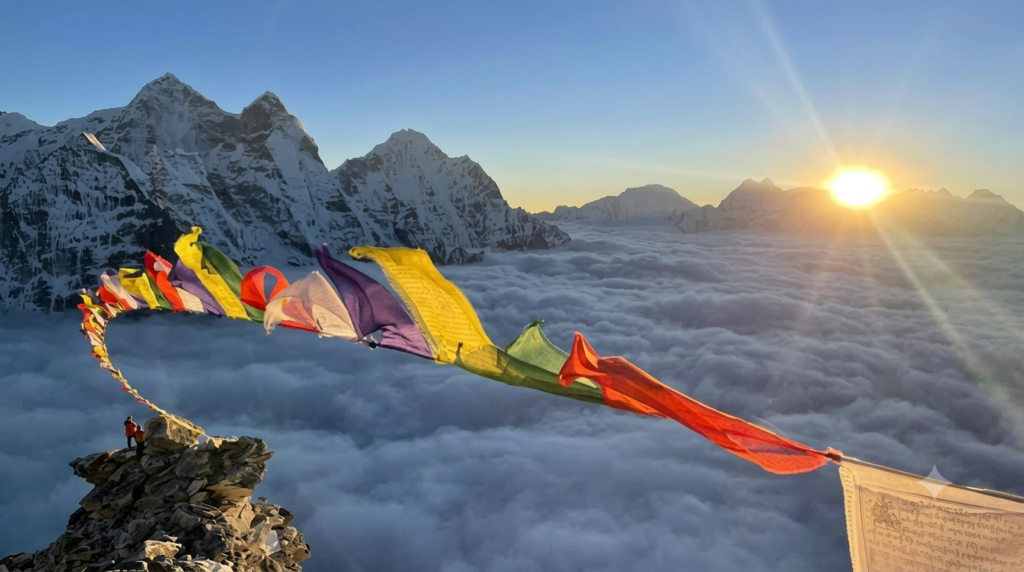
If you are weighing Ama Dablam vs Manaslu, you are probably standing at one of the most interesting decision points in a climbing career. One is a 6,812 m rock-and-ice fang that many consider the most beautiful mountain in the Himalaya. The other is the 8,163 m eighth-highest peak on Earth, and a popular first step into 8000m climbing. They sit in different regions, demand different skills and carry different kinds of risk.
This guide compares them honestly: difficulty, technical demands, objective danger, cost, timing and who each mountain suits. We also tackle a question that comes up constantly in forums and on voice search: is Manaslu harder than Everest?

Ama Dablam vs Manaslu at a Glance
Here is the quick comparison before we go deeper.
| Feature | Ama Dablam | Manaslu |
|---|---|---|
| Height | 6,812 m (22,349 ft) | 8,163 m (26,781 ft) |
| Region | Khumbu, Everest region | Mansiri Himal, Gorkha/Manaslu region |
| First ascent | 1961 | 1956 |
| Nature of climb | Technical rock, mixed and ice ridge | Long snow-and-ice mountain, avalanche-prone |
| Main challenge | Exposure and technical climbing | Altitude, length and avalanche risk |
| Oxygen use | Not needed | Used by most commercial climbers |
| Typical expedition length | About 4 to 5 weeks | About 5 to 7 weeks |
| Best seasons | Autumn and spring | Autumn is most popular; spring also used |
| Typical commercial cost | Lower | Considerably higher |
Figures are approximate and vary by operator, year and season. Always confirm current permit rules and prices before booking.
The one-line answer: Ama Dablam is the more technical and exposed climb. Manaslu is the more physically demanding, higher-altitude and logistically heavy expedition.
Which Is Harder: Ama Dablam or Manaslu?
The honest answer is that they are hard in different ways, and “harder” depends on your strengths.
- If you are strong and fit but new to climbing, Ama Dablam can feel harder because the ridge demands real movement skills on rock and exposed terrain.
- If you are a skilled alpinist with limited altitude experience, Manaslu can feel harder because the length, cold and thin air wear you down over weeks.
A useful way to think about it: Ama Dablam tests your technique and nerve. Manaslu tests your endurance, patience and judgment.
Technical Difficulty
Ama Dablam wins here, clearly. The standard Southwest Ridge route features steep rock steps, narrow ridge sections, the famous Yellow Tower, the Grey Tower, the Mushroom Ridge and the hanging glacier known as the Dablam. Much of the route is fixed with rope, but you still need to climb, rappel and self-belay confidently, often with big drops on both sides.
Manaslu is generally less technical in the pure climbing sense. The route is mostly snow and ice slopes, with some steeper sections and crevasse zones. Fixed lines are installed by guiding teams, and the difficulty lies more in the repetition, the weather and the cumulative fatigue.
Physical and Altitude Demands
Manaslu wins this category without much debate. Summit day usually runs well over twelve hours, and you will spend multiple weeks above 4,800 m while rotating through high camps. At the top there is roughly one-third of the oxygen available at sea level. Most commercial climbers use supplementary oxygen on the upper mountain, and your body must tolerate a long period of cumulative stress.
Ama Dablam tops out lower, so altitude is a smaller problem, though it can still affect you. Climbers sometimes underestimate it because the peak is lower, but the exposure, cold and fatigue still add up.
Objective Danger
Both mountains carry real risk, and it is important not to romanticise either.
- Ama Dablam: rockfall, falls on exposed ridge sections, crowded fixed lines and unstable seracs near the upper section are the key concerns. Congestion in peak season can create bottlenecks.
- Manaslu: avalanche and serac fall are the dominant hazards, particularly in the upper camps. The mountain has had serious avalanche tragedies in past seasons, which is why snow conditions and camp placement matter so much.
Neither is a walk in the park, and anyone who tells you otherwise is selling something.
Is Manaslu Harder Than Everest?
This is one of the most common questions climbers and armchair mountaineers ask, and the answer is nuanced.
Short answer: Everest is generally considered the harder mountain overall because of its greater height, extreme cold, wind exposure and the sheer scale of the effort. But Manaslu is not a “soft” 8000er, and in some respects it is more dangerous.
Is Manaslu Harder Than Everest in Terms of Altitude?
No. Everest rises to roughly 8,849 m, about 686 m higher than Manaslu. That extra height matters enormously. The “death zone” above about 8,000 m is brutal, and Everest keeps you in it for longer on summit day.
Is Manaslu Harder Than Everest in Terms of Danger?
It can be. Historically, Manaslu has shown a higher fatality rate than Everest when measured as a share of climbers, mainly because of avalanche exposure and a long history of less-supported climbing. Statistics shift between sources and time periods, so treat any single percentage with caution. What matters practically is that Everest benefits from far greater infrastructure, rescue capacity and commercial support, while Manaslu has historically offered less of all three, although this has improved as more operators run supported expeditions.
Is Manaslu Harder Than Everest in Terms of Logistics?
Everest is the more logistically complex and expensive. Permit costs, oxygen requirements, the Khumbu Icefall and the scale of the support team all add up. Manaslu is simpler to organise, which is one reason many mountaineers choose it as a first 8000er.
Quick Comparison: Manaslu vs Everest
| Factor | Manaslu | Everest |
|---|---|---|
| Height | 8,163 m | About 8,849 m |
| Cold and wind | Severe | Extreme |
| Main hazard | Avalanche, serac fall | Icefall, altitude, crowds, weather |
| Typical expedition cost | Lower | Much higher |
| Support infrastructure | Moderate | Extensive |
| Common reputation | Good first 8000er | The ultimate objective |
Route Breakdown: What Each Climb Actually Looks Like
Ama Dablam: The Southwest Ridge
A typical expedition follows this pattern:
- Trek to Base Camp through Namche Bazaar and Pangboche, usually 7 to 10 days with acclimatisation.
- Camp 1 on rocky terrain above Base Camp, with technical scrambling.
- Camp 2 on a dramatic ridge, perched in a very exposed position.
- Camp 3 below the Dablam, reached after the Grey Tower and steep ice and snow.
- Summit push via ice slopes and the final headwall.
The climbing is sustained and involves frequent rappels on the way down. Great views of Everest, Lhotse and Makalu make the effort worthwhile.

Manaslu: The Northeast Face Route
The standard route runs from Base Camp at roughly 4,800 m through a series of camps:
- Camp 1 at around 5,700 m on a glacier, with crevasse navigation.
- Camp 2 at about 6,400 m, often near ice cliffs.
- Camp 3 at roughly 6,800 m, a section where avalanche risk has historically been concentrated.
- Camp 4 near 7,400 m on the vast summit plateau.
- Summit day across steep slopes to a corniced ridge and a final rocky pyramid.
Camp heights are approximate and can change from season to season.
Experience Requirements: Who Should Climb Which Mountain?
Choose Ama Dablam If You
- Want a technical climb without the full burden of an 8000er.
- Already have experience with rock, ice and mixed terrain.
- Have a smaller budget and a shorter time window.
- See it as a stepping stone before a larger objective.
Choose Manaslu If You
- Want your first 8000m summit.
- Have solid high-altitude trekking and prior 6,000 m to 7,000 m experience.
- Are comfortable with a long, physically draining expedition.
- Accept the risk profile and can afford a more expensive trip.
A Practical Progression
For many climbers, a sensible ladder looks like this:
- Mera Peak or Island Peak, to learn glacier travel and altitude.
- Ama Dablam, to sharpen technical skills.
- Cho Oyu or Manaslu, for a first 8000m peak.
- Everest, if that is your long-term goal.
This is not a rule, but it reflects how many experienced guides advise their clients.
Cost Comparison: Ama Dablam vs Manaslu
Prices vary widely, but here is the general landscape.
- Ama Dablam: typical commercial packages often land in the lower five-figure range or below, depending on service level, with extras such as helicopter evacuation insurance on top.
- Manaslu: commercial expeditions tend to cost noticeably more, mainly due to permit royalties, oxygen, logistics and a longer time on the mountain.
What Usually Affects the Price
- Permit and royalty fees set by the Nepali government
- Guide-to-climber ratio
- Supplementary oxygen supply
- Sherpa support and fixed-line setup
- Insurance and equipment
Be cautious with bargain offers. A low price can mean shortcuts on oxygen, staff pay or safety planning.
Best Time to Climb Each Mountain
| Season | Ama Dablam | Manaslu |
|---|---|---|
| Spring (April to May) | Good, but busier and warmer | Possible, with variable snow |
| Autumn (late September to November) | Most popular, stable weather | Most popular, though early autumn can be warm and avalanche-prone |
In general, autumn is the main window for both. Check the latest snow and avalanche reports and choose operators who monitor conditions closely.
Expert Tips for Choosing Between Ama Dablam and Manaslu
- Honestly assess your skills. Technical weakness hurts on Ama Dablam; weak fitness and altitude tolerance hurt on Manaslu.
- Do a proper acclimatisation programme. Extra rest days increase success and safety on both.
- Practise rappelling and ascender use well before you travel, especially for Ama Dablam.
- Ask operators about their avalanche protocols if considering Manaslu.
- Check staff welfare standards. Fair pay, insurance and equipment for Sherpas and porters are a sign of a responsible company.
- Build a buffer. Weather windows drive success more than anything else.
- Be willing to turn around. Summit success is optional; getting home is not.
Frequently Asked Questions About Ama Dablam vs Manaslu
What is the main difference between Ama Dablam and Manaslu?
Ama Dablam is a technical 6,812 m peak known for its steep ridge and exposure. Manaslu is an 8,163 m peak known for altitude, long days and avalanche risk. One tests technical skill, the other tests endurance and altitude tolerance.
Is Manaslu harder than Everest?
Generally, no. Everest is higher, colder and more demanding overall. However, Manaslu is considered more dangerous in some historical comparisons because of avalanche exposure and less infrastructure, so it should never be treated as an easy alternative.
Is Ama Dablam harder than Manaslu?
Ama Dablam is more technical, while Manaslu is more demanding in altitude and duration. Which is harder depends on your background. A strong alpinist may find Manaslu tougher physically, while a strong hiker may find Ama Dablam tougher technically.
Is Manaslu a good first 8000m peak?
Many guides consider it a reasonable first 8000er because it is less technical than some others. It still demands serious preparation, prior altitude experience and respect for avalanche risk.
Do you need oxygen to climb Ama Dablam or Manaslu?
Ama Dablam does not require supplementary oxygen. Most commercial climbers on Manaslu use it on the upper mountain, although some experienced alpinists climb without it.
How long does each expedition take?
Ama Dablam typically takes about four to five weeks including the trek in. Manaslu typically takes five to seven weeks, depending on acclimatisation schedule and weather.
Which is more expensive, Ama Dablam or Manaslu?
Manaslu is generally the more expensive option due to permit royalties, oxygen, logistics and a longer expedition.
What is the best time of year to climb Ama Dablam and Manaslu?
Autumn, from late September through November, is the main season for both. Spring is also possible, but conditions and crowds differ.
Conclusion: Making Your Ama Dablam vs Manaslu Decision
The Ama Dablam vs Manaslu debate has no universal winner. Ama Dablam rewards technical skill and a head for heights, while Manaslu rewards patience, endurance and a clear-eyed approach to risk. And if you were wondering whether Manaslu is harder than Everest, the answer is that Everest remains the bigger test overall, though Manaslu deserves every bit of respect.
Start with an honest assessment of your fitness, experience, and mountaineering goals, then choose the 6000m peak that matches your current skill level. Ready to take the next step? Connect with TrekYaari’s experienced expedition team to get expert guidance, customized itineraries, permit assistance, and complete support for your Nepal climbing adventure.
👉Visit Trekyaari Official Website: www.trekyaari.com
Disclaimer: All content on www.searchies.online is provided for informational purposes only. We do not guarantee the accuracy, completeness, or reliability of any information, and users rely on it at their own discretion and risk.