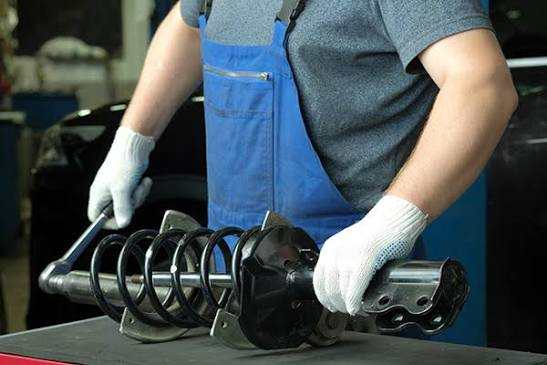
Car shocks and struts play an important role in maintaining a smooth, controlled, and safe driving experience. They help absorb bumps and vibrations, keep the tires in contact with the road, and support proper vehicle handling. Like other suspension components, shocks and struts wear down over time. However, the way you drive, maintain, and use your vehicle can have a major effect on how long they last.
Fairmount Tire provides professional Tire Services, covering tire installation, balancing, rotation, repair, and replacement. Their experienced technicians help maintain proper handling, maximize tire lifespan, improve road safety, and ensure a smooth and comfortable driving experience.

Replacing worn shocks and struts can be expensive, so taking simple preventive steps can help you get more life from these components. Regular inspections, careful driving, proper tire maintenance, and timely repairs can reduce unnecessary stress on the suspension system. Here are some practical ways to extend the life of your car’s shocks and struts.
Drive Carefully Over Rough Roads
Road conditions have a direct effect on suspension components. Potholes, broken pavement, speed bumps, and uneven roads can force shocks and struts to work harder than normal. Hitting these obstacles at high speed can place significant stress on suspension parts and may cause premature wear.
Whenever possible, slow down before potholes and speed bumps. Avoid sudden impacts and give yourself enough time to react to damaged sections of road. If you cannot avoid a pothole, reducing your speed before reaching it can help minimize the impact. Smooth driving is one of the simplest ways to reduce unnecessary strain on your vehicle’s suspension.
Maintain the Correct Tire Pressure
Tires and suspension components work together to provide a controlled ride. When tires are underinflated or overinflated, they cannot absorb road impacts as effectively as they should. This can increase the amount of shock and vibration transferred to the suspension system.
Check your tire pressure regularly and maintain it according to the vehicle manufacturer’s recommended specifications. The correct pressure is usually listed on the driver’s door jamb sticker or in the owner’s manual. Properly inflated tires can improve handling, reduce uneven wear, and help shocks and struts deal with road impacts more effectively.
Avoid Overloading Your Vehicle
Every vehicle has a maximum load capacity. Carrying passengers, luggage, equipment, or other heavy items beyond the recommended limit can place additional stress on the suspension system. Shocks and struts have to control greater weight, which can accelerate wear.
If you frequently carry heavy loads, check your vehicle’s recommended payload capacity. Remove unnecessary items from the trunk or cargo area and avoid using your vehicle to transport loads beyond its intended capacity. Keeping the vehicle within its recommended weight limits can help reduce suspension stress and improve overall handling.
Keep Your Wheels Properly Aligned
Wheel alignment affects much more than tire wear. Incorrect alignment can change how the vehicle responds to steering inputs and can place additional stress on suspension components. If your wheels are not properly aligned, the suspension may not operate as efficiently as designed.
Have the alignment checked when you notice symptoms such as uneven tire wear, the vehicle pulling to one side, or an off-center steering wheel. Alignment should also be checked after significant impacts, such as hitting a large pothole or curb. Maintaining proper alignment helps the entire suspension system work more consistently.
Inspect Shocks and Struts Regularly
Regular inspections can help identify small problems before they become expensive repairs. During a suspension inspection, a technician can look for fluid leaks, damaged mounting components, worn bushings, corrosion, and other signs of deterioration.
You should also pay attention to changes in the way your vehicle drives. Excessive bouncing, increased body movement, nose-diving during braking, unusual suspension noises, and poor handling can indicate worn shocks or struts. Addressing these signs early can prevent further damage to related suspension and steering components.
Fairmount Tire provides reliable Shocks and Struts Repair services designed to restore ride quality, improve vehicle handling, support better steering and braking, reduce uneven tire wear, and deliver a safer, more stable driving experience.
Replace Damaged Suspension Components Promptly
Shocks and struts are connected to several other suspension components. When one part becomes worn or damaged, it can affect how the surrounding components perform. Continuing to drive with a damaged suspension component may increase stress on other parts.

If an inspection identifies a leaking shock, damaged strut, worn mount, or broken suspension component, have it assessed promptly. Replacing a relatively small component early may prevent a larger repair later. Delaying necessary suspension repairs can also affect braking performance, tire contact, and vehicle stability.
Avoid Aggressive Driving
Hard acceleration, sudden braking, sharp cornering, and aggressive driving can increase the workload placed on the suspension system. While shocks and struts are designed to handle normal driving forces, repeated aggressive maneuvers can contribute to faster wear.
Smooth acceleration, controlled braking, and gradual steering inputs are easier on the vehicle. Defensive driving also reduces the likelihood of hitting potholes, curbs, and other obstacles at high speeds. A smoother driving style benefits not only shocks and struts but also tires, brakes, steering components, and other parts of the vehicle.
Be Careful With Speed Bumps
Speed bumps are designed to make drivers slow down, but approaching them too quickly can create a strong impact through the suspension. This can put unnecessary stress on shocks, struts, mounts, and other components.
Reduce your speed before reaching a speed bump rather than braking hard while crossing it. Once your vehicle has cleared the bump, accelerate smoothly. Taking a few extra seconds to cross speed bumps properly can help reduce repeated suspension impacts, especially if you drive frequently in areas with many bumps.
Pay Attention to Unusual Sounds
Your car often provides warning signs when something in the suspension system is beginning to fail. Clunking, knocking, squeaking, or rattling sounds from the front or rear of the vehicle should not be ignored, particularly when they occur while driving over uneven roads.
Although unusual noises do not always mean the shocks or struts themselves are failing, they can indicate a problem with mounts, bushings, links, springs, or other suspension components. Having the vehicle inspected when a new sound appears can help identify the issue before it becomes more serious.
Maintain Your Tires and Suspension Together
Tires, wheels, shocks, struts, springs, and other suspension components work as a system. Poor tire condition can affect how impacts are transmitted through the vehicle, while worn suspension components can contribute to uneven tire wear.
Rotate your tires according to the manufacturer’s recommended schedule and replace tires when their tread or condition becomes unsafe. During tire service, ask for the suspension to be visually inspected if you notice unusual wear or handling problems. Keeping both tires and suspension components in good condition can help maintain balanced vehicle performance.
Choose Quality Replacement Parts
When shocks or struts eventually need replacement, choosing appropriate replacement parts is important. Low-quality or incorrect components may not provide the performance, durability, or fit required for your particular vehicle.
Always select parts designed specifically for your vehicle’s make, model, year, and suspension configuration. Quality replacement components can provide reliable performance and help restore proper ride control. A qualified technician can also help determine which type of shock or strut is suitable for your driving conditions.
Follow the Vehicle Manufacturer’s Maintenance Schedule
Your vehicle owner’s manual contains useful information about maintenance intervals, load limits, tire pressure, and suspension-related recommendations. Following the manufacturer’s maintenance schedule can help you identify potential issues before they become major problems.
There is no universal replacement interval for every shock and strut. Their lifespan depends on driving habits, road conditions, vehicle load, climate, and the quality of the components. Instead of replacing them simply because the vehicle has reached a particular mileage, have them inspected regularly and consider replacement when performance or condition indicates that it is necessary.
Final Thoughts
Extending the life of your car’s shocks and struts does not require complicated maintenance. The most effective approach is to combine careful driving with regular inspections and proper vehicle maintenance. Avoiding harsh impacts, maintaining correct tire pressure, keeping the wheels aligned, avoiding excessive loads, and addressing suspension problems early can all reduce unnecessary wear.
Remember that shocks and struts are important safety components, not just parts responsible for ride comfort. They help keep your tires connected to the road and contribute to steering control, braking stability, and overall handling. By paying attention to warning signs and taking care of your vehicle’s suspension system, you can improve driving performance and potentially get more useful life from your shocks and struts.