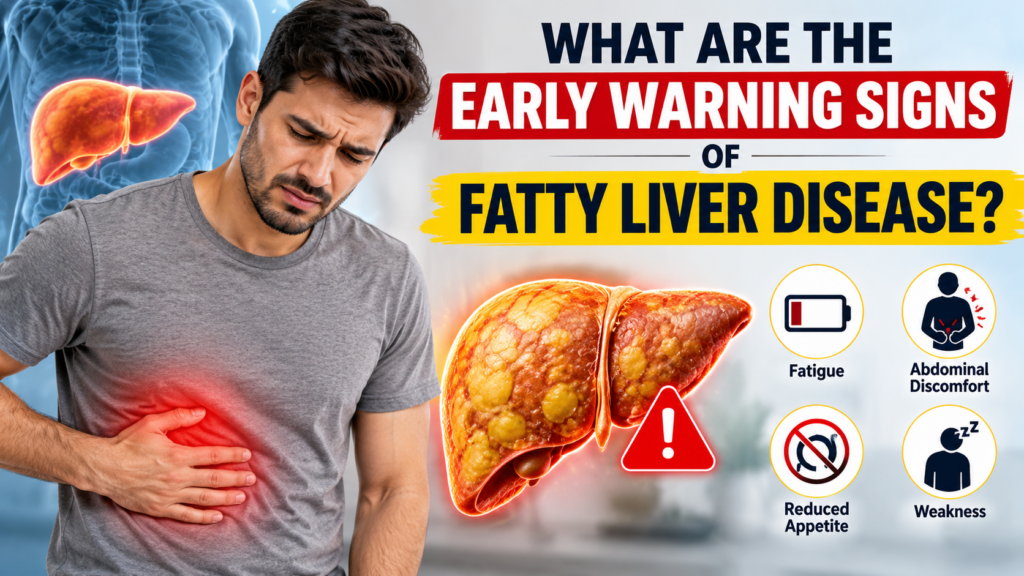
Fatty liver often develops without noticeable symptoms, especially in its early stages. Many people discover the condition during routine blood tests or an abdominal ultrasound performed for another reason. When symptoms do occur, they may include persistent fatigue, discomfort in the upper-right abdomen, or a general feeling of being unwell. However, these symptoms are not specific to fatty liver and can have other causes.
The absence of symptoms does not mean the liver is healthy. Fat accumulation can sometimes progress to inflammation, fibrosis, and advanced liver damage without obvious warning signs. Understanding the early indicators and risk factors associated with Fatty Liver can help people seek appropriate evaluation before complications develop.

What Are the First Signs of Fatty Liver?
In many cases, fatty liver causes no clear early symptoms. When symptoms appear, they may be mild and easy to overlook.
Possible signs include:
-
Persistent tiredness or fatigue
-
Discomfort or a dull ache in the upper-right abdomen
-
A general feeling of weakness
-
Reduced appetite in some individuals
-
Abdominal discomfort that does not have an obvious explanation
These symptoms alone cannot confirm fatty liver. Some people with substantial liver fat or fibrosis may feel completely normal, while people with similar symptoms may have an unrelated condition.
Can Fatty Liver Develop Without Symptoms?
Yes. Fatty liver frequently develops silently, particularly when there is no significant inflammation or advanced liver damage. A person may have excess fat in the liver for years without experiencing pain, nausea, or noticeable changes in daily functioning.
This is one reason routine assessment can be important for people with risk factors such as obesity, type 2 diabetes, high triglycerides, or metabolic syndrome.
However, the absence of symptoms does not automatically mean that fatty liver is progressing. The condition varies considerably between individuals, and medical tests help determine whether further evaluation is needed.
Can Fatigue Be an Early Warning Sign of Fatty Liver?
Persistent fatigue is sometimes reported by people with fatty liver, but it is not a specific symptom. Tiredness may also result from inadequate sleep, anaemia, thyroid disorders, nutritional deficiencies, stress, or other medical conditions.
When fatigue continues despite adequate rest, a healthcare professional may review the person’s medical history and consider appropriate blood tests. If other risk factors for fatty liver are present, assessing liver health may also be reasonable.
Fatigue alone cannot establish whether liver fat or liver damage is present.
Can Fatty Liver Cause Pain on the Right Side of the Abdomen?
Some people with fatty liver experience a dull ache, pressure, or discomfort beneath the right rib cage, where the liver is located. This may occur when the liver becomes enlarged, although many people with an enlarged liver have no pain.
Right-sided abdominal discomfort can also result from gallstones, digestive problems, muscle strain, or other conditions. Severe or sudden pain should not be attributed to fatty liver without medical assessment.
Persistent discomfort, particularly when accompanied by fever, vomiting, or yellowing of the eyes or skin, requires prompt evaluation.
What Risk Factors Can Indicate Early Fatty Liver?
Risk factors may provide more useful clues than symptoms alone. Fatty liver associated with metabolic dysfunction is more common in people with certain health conditions.
Important risk factors include:
-
Excess body weight: Particularly excess abdominal fat.
-
Type 2 diabetes: Insulin resistance can contribute to fat accumulation in liver cells.
-
High triglycerides: Elevated blood fats are associated with metabolic dysfunction.
-
High blood pressure: This frequently occurs alongside other metabolic risk factors.
-
Physical inactivity: Low activity levels can contribute to metabolic problems.
-
Unhealthy dietary patterns: Excessive sugary drinks and energy-dense foods may contribute to metabolic dysfunction.

-
Alcohol consumption: Alcohol can cause a separate or overlapping form of fatty liver.
Fatty liver can also occur in people who are not overweight. A person’s weight alone cannot confirm or exclude the condition.
How Is Early Fatty Liver Detected?
Because symptoms are often absent, diagnosis usually relies on medical evaluation and appropriate investigations.
Blood tests: Liver enzymes such as ALT and AST can help identify possible liver cell injury. However, normal enzyme levels do not rule out fatty liver.
Abdominal ultrasound: This can identify fat accumulation in the liver, although it may miss mild disease and cannot reliably determine the degree of fibrosis.
Fibrosis assessment: Tools such as the FIB-4 score and elastography may help assess the likelihood of advanced liver scarring when indicated.
Metabolic tests: Blood glucose, HbA1c, and lipid measurements can help identify associated metabolic risk factors.
A doctor selects tests based on the person’s history, examination, risk factors, and initial results. Not everyone needs every investigation.
Can Early Fatty Liver Be Reversed?
In many cases, liver fat can be reduced through sustained lifestyle changes, particularly when the condition is identified before advanced scarring develops.
Useful measures include:
-
Achieving gradual weight loss when appropriate.
-
Exercising regularly through activities suited to individual ability.
-
Eating a balanced diet rich in vegetables, fruits, whole grains, and suitable protein sources.
-
Reducing sugary drinks and excess added sugar.
-
Managing diabetes, cholesterol, and blood pressure.
-
Avoiding alcohol when medically advised.
The potential for improvement depends on the underlying cause and the extent of liver damage. Fat accumulation may improve more readily than advanced fibrosis, so follow-up should be guided by a healthcare professional.
When Should You Consult a Doctor?
Medical evaluation is advisable if persistent fatigue or unexplained upper-right abdominal discomfort occurs alongside metabolic risk factors or abnormal liver tests.
Seek prompt medical attention for yellowing of the skin or eyes, significant abdominal swelling, unusual bleeding, or confusion. Severe abdominal pain or persistent vomiting also warrants urgent assessment.
Early evaluation can help distinguish fatty liver from other conditions and determine whether additional testing or monitoring is necessary.
Conclusion
Fatty liver often has no obvious early warning signs. When symptoms occur, they may include fatigue, mild discomfort beneath the right ribs, or reduced appetite, but none of these symptoms confirms the condition. Risk factors such as diabetes, excess abdominal fat, and high triglycerides can help identify people who may benefit from assessment.
Appropriate blood tests, imaging, and fibrosis evaluation can help clarify liver health even when symptoms are absent. Patients requiring specialist assessment can consult an interventional radiologist Jaipur to understand whether image-guided procedures are relevant to their specific diagnosis.
Frequently Asked Questions
What is the first warning sign of fatty liver?
There may be no first warning sign because fatty liver is often asymptomatic. Some people experience fatigue or mild upper-right abdominal discomfort, but diagnosis requires appropriate evaluation.
Can fatty liver be present with normal liver function tests?
Yes. Liver enzymes can remain within the reference range even when fatty liver is present. Normal results do not completely exclude liver damage or fibrosis.
Can fatty liver cause a swollen stomach?
Fatty liver alone does not usually cause visible abdominal swelling. Significant swelling may indicate fluid accumulation or another condition and requires medical assessment.
Who should get tested for fatty liver?
People with type 2 diabetes, obesity, high triglycerides, metabolic syndrome, or unexplained persistent liver enzyme abnormalities may benefit from discussing liver assessment with a healthcare professional.
Can early fatty liver go away completely?
Liver fat can often decrease substantially with appropriate lifestyle changes and management of underlying conditions. Whether the condition fully resolves depends on its cause and severity, including whether fibrosis has developed.