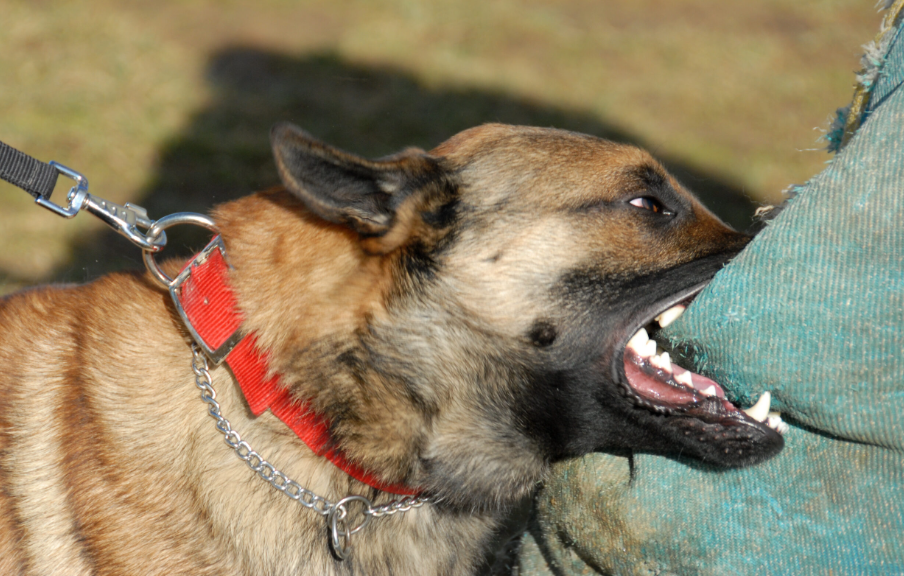
Getting bitten by a dog in your own neighborhood feels like a total betrayal. You’re just minding your own business, and suddenly, you are dealing with a medical emergency and a stack of bills. Most people in this position feel bad about calling the authorities. They know the owner, maybe they are neighbors, or perhaps they like the dog. But here is the hard truth: that bite was not your fault, and you shouldn’t have to pay for the consequences.
Most people don’t realize that in these situations, you usually aren’t suing the neighbor directly. Instead, you are dealing with their insurance company. It’s a corporate process, not a personal vendetta. However, insurance companies are famous for protecting their bottom line. If you are struggling with the aftermath, talking to a dog bite lawyer can help you figure out how to get the coverage you actually need.

The Myth About “Going After” Your Neighbor
There is a massive misconception that filing a claim is an act of war against a friend. In reality, most dog attacks fall under standard homeowners’ insurance policies. That policy exists precisely for these kinds of accidents. When you file a claim, you are accessing an insurance fund that the owner has been paying into for years.
- Insurance coverage: Most policies include liability protection specifically for animal-related injuries.
- The claims process: It’s a business transaction, not a personal attack on the owner.
- Avoiding the trap: Don’t settle for the first offer; it rarely covers your future medical needs.
- Asset protection: Properly handled claims keep the process within the insurance company’s hands rather than personal bank accounts.
How Adjusters Try to Minimize Your Claim
Adjusters are trained to be very polite. They will call you, ask how you are feeling, and try to get you to talk about the incident. Do not be fooled by the friendly tone. They are looking for reasons to blame you. That is why having a dog bite lawyer on your side is so important. They know how to handle these questions so you don’t accidentally wreck your own claim.
- Avoid recorded statements: You have no legal obligation to give a recorded interview to the other party’s insurance company.
- Watch your words: Don’t admit to any fault, even if you feel bad about what happened.
- Medical links: Be very clear with your doctor about how the bite caused your specific symptoms.
- Request a written offer: Never accept a verbal promise over the phone; get everything in writing.
The Reality of Medical Costs and Future Care
Insurance companies often look at the bill from your first ER visit and think that’s all they owe you. They ignore the fact that you might need a second round of stitches, months of physical therapy, or even plastic surgery if the scarring is bad. They also don’t like to pay for the mental toll of the attack.
- Future medicals: Factor in any potential surgeries or therapy sessions you might need next year.
- Lost wages: If you can’t perform your job because of the bite, that income loss is part of your claim.
- Psychological care: Therapy bills for trauma or phobias are valid medical expenses.
- Transportation: Don’t forget to track the mileage and costs for all your doctor visits.
Why You Shouldn’t Rush the Settlement
The biggest mistake victims make is signing a release of claims too early. The insurance company will offer a “quick payout” to stop you from hiring an attorney. The second you sign that paper, your case is closed. Suppose you have complications later, like a wound that refuses to heal or chronic pain.
Never sign anything until you are 100% finished with your treatment, and your doctor has given you a final report. If you are feeling pressure to settle, it is usually a sign that you need professional eyes on the documents. Specialists like The Lackey Law Firm understand how these insurance companies operate and can help ensure you don’t sign away your rights for pennies on the dollar.
- Complete treatment: Only talk settlement after you have finished all prescribed medical sessions.
- Wait for the final bill: Ensure all costs are known before discussing a final number.
- Read the fine print: Never sign a release of claims without having an attorney review the language.
- Stay firm: It is okay to tell the adjuster you are still healing and not ready to talk about numbers.
Staying Professional Through the Stress
Dealing with this is stressful, and it is natural to want to vent. You might want to post about it on social media or tell your neighbors what happened. Try to keep those urges in check. Anything you put online can be found by an investigator and used to argue that your injuries aren’t as bad as you say.
Focus on your health and your family. Keep your recovery private and stick to your medical plan. The more boring and documented your life is during this time, the easier it will be to show the insurance company exactly what you have been through. It is not about being dishonest; it is about being thorough.
- Privacy first: Keep your social media quiet until the case is fully closed.
- Consistency: Make sure your descriptions of the attack are the same every time you report them.
- Build your team: Surround yourself with family and friends who support your recovery, not people who distract you.
- Professional focus: Let your legal counsel handle the communication with the insurance firm.
Conclusion
Navigating a homeowners’ insurance claim doesn’t have to be a nightmare if you know the rules of the game. Remember that the insurance company is protecting itself, so you need to protect yourself by being organized, patient, and prepared.

If the bills are getting too high or the adjuster is being difficult, there is no shame in getting professional help. Consulting a dog bite lawyer ensures that you aren’t stuck paying for someone else’s mistake. Focus on healing your body and your peace of mind, and let the professionals handle the rest.
Frequently Asked Questions
Can I file a claim if the dog owner doesn’t have insurance?
Yes, but it is much more complicated. If they don’t have homeowners’ insurance, you may have to look into the owner’s personal assets. This can be a long process, and it is a situation where you absolutely need legal advice to see what your options are.
What if the dog was a stray with no owner?
If there is no owner, there is no insurance policy to target. In these cases, you might look into your own medical coverage or specific state funds for victims of crimes or animal attacks. It’s worth checking with an attorney to see if anyone else might be responsible.
Why does the insurance company want a recorded statement?
They are looking for inconsistencies. They want to see if you will contradict yourself or admit fault. They use these recordings to undermine your credibility later in the process. You are generally better off declining the recording until you have spoken to a legal professional.
How does “strict liability” apply to my dog bite case?
In many places, the law holds the owner responsible for their dog’s actions regardless of whether they knew the dog was dangerous. This makes the insurance claim much stronger because you don’t necessarily have to prove the owner was “negligent” in a specific way; you only have to prove the dog bit you.
How much is a typical dog bite settlement?
There is no “typical” amount. Settlements range from small payments for minor medical bills to huge sums for permanent injuries or disfigurement. It all depends on your medical documentation, the severity of the wounds, and how the attack has permanently changed your ability to enjoy life.