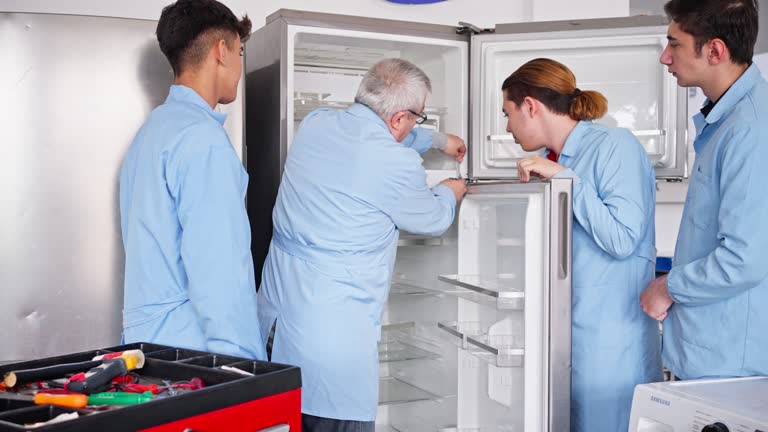
A commercial fridge that cannot keep up with daily demand can cause more trouble than most business owners expect. Fresh ingredients take up valuable space and deliveries arrive throughout the day. When cooling equipment struggles to maintain the right temperature staff may face spoiled stock and wasted time. For restaurants and food suppliers in London these problems can affect both service and operating costs.
Commercial Refrigeration Installation gives businesses a chance to address these issues with equipment that suits their workload and premises. From compact kitchen fridges to large cold rooms the right setup helps protect products and organise storage. A well planned installation can also make routine cleaning and maintenance easier while giving a business room to grow.

Why Commercial Refrigeration Installation Matters
Every food business has its own storage needs. A small café may need a few undercounter fridges while a busy restaurant could require several freezers and a walk in cold room. Food wholesalers often need greater capacity because they handle large deliveries and store products before dispatch.
Choosing equipment without assessing these needs can create problems later. An undersized fridge may struggle during busy periods while a poorly placed unit can restrict airflow and make staff movement difficult. The equipment must also suit the products you store and the temperatures they require.
A proper installation begins with understanding how your business works. The installer should review your available space and expected stock volume before recommending suitable equipment. This helps you avoid an unsuitable purchase and gives your team a practical setup for everyday use.
How Commercial Refrigeration London Supports Local Businesses
London businesses operate from many types of premises. A takeaway in a compact shop may have little room for bulky equipment while a hotel kitchen needs enough cooling capacity to support a busy service. Caterers and food suppliers may also need extra storage before large orders leave the premises.
Commercial Refrigeration London services help businesses choose systems that match these different needs. Space and cooling capacity matter but so do ventilation and access for deliveries. Older premises may need extra planning to accommodate equipment and allow engineers to carry out future maintenance.
Before choosing a system consider these points:
-
The amount of stock you handle during busy periods.
-
The temperature requirements of your products.
-
The space available for refrigeration equipment.
-
The frequency of deliveries and staff access.
-
The expected energy use and maintenance needs.
-
The possibility of future changes to your business.
These details give an installer a clearer picture of the job. They also help you compare options based on practical needs rather than purchase price alone.
Choosing Equipment That Fits Your Daily Workload
The right refrigeration equipment should suit the way your staff prepare and store products. A restaurant may benefit from undercounter units near food preparation areas because workers can reach ingredients without crossing the kitchen. A wholesaler may need a walk in cold room with enough space for pallets or shelving.
Think about the busiest part of your working day. If staff open a fridge every few minutes the unit needs to handle frequent use. If you receive large deliveries each morning you may need enough spare capacity to store incoming stock without overcrowding shelves.
When comparing equipment look at:
-
Internal capacity and shelf layout.
-
The required temperature range.
-
Door design and ease of access.
-
Energy use under normal operating conditions.
-
Cleaning requirements and maintenance access.
-
The availability of suitable replacement parts and technical support.
Ask the installer to explain why a particular model suits your business. A clear explanation helps you understand what you are paying for and whether the system can meet your needs as the business grows.
Cold Storage Solutions for Larger Storage Needs
Standard commercial fridges work well for many small businesses. However growing restaurants and food suppliers may need more room than individual units can provide. A walk in cold room can offer a practical way to store larger quantities of chilled products in one organised space.
Suitable Cold Storage Solutions depend on the goods you handle. Chilled food and frozen products need different operating conditions so the design must match the intended use. Insulation and door seals also matter because they help limit heat entering the room.
A well planned cold room should provide enough space for staff to move stock safely. Shelving should support good organisation without blocking airflow. Doors need to close properly and allow workers to move deliveries in and out without unnecessary difficulty.
Before installation confirm the room’s capacity and temperature requirements. Discuss cleaning access and maintenance needs too. These details can affect how easily your team uses the room once daily operations begin.
Why Professional Installation Makes a Difference
Commercial refrigeration equipment contains components that must work together to maintain suitable temperatures. Incorrect placement or poor setup can affect performance and make routine servicing harder.
Professional installation involves checking the site and preparing the equipment for use. Depending on the system the work may include electrical connections and drainage as well as ventilation and control setup. Larger cold rooms may require careful planning around insulation and door placement.
Once the team completes the installation ask them to explain the operating controls and routine care. You should know how to check the temperature and recognise common warning signs. Staff also need clear guidance on loading shelves and keeping doors closed when they are not in use.
Do not assume that a new unit will suit every storage task. Follow the manufacturer’s instructions and make sure the equipment reaches the required operating temperature before storing products in it.


How Refrigeration Engineers Help Protect Your Investment
Installation marks the beginning of the equipment’s working life rather than the end of the process. Regular maintenance helps businesses check the condition of their refrigeration systems and identify issues that need attention.
Qualified Refrigeration Engineers can inspect equipment and investigate changes in cooling performance. They may check door seals and fans as well as condenser coils and temperature controls. If a unit makes an unusual noise or struggles to maintain its setting an engineer can assess possible causes.
A sensible maintenance routine should include:
-
Regular checks of operating temperatures.
-
Inspection of door seals and airflow.
-
Cleaning in line with manufacturer guidance.
-
Records of service visits and completed repairs.
-
Prompt investigation of unusual sounds or temperature changes.
-
Clear instructions for staff when equipment develops a fault.
Maintenance cannot prevent every breakdown. However routine checks can help businesses spot some problems before they cause major disruption. Keep service records so you can track recurring faults and make better decisions about repairs or replacement.
Can Industrial Refrigeration Services Help Manage Running Costs?
Refrigeration equipment often operates for long periods which makes energy use an important part of its running cost. A system that struggles with poor airflow or damaged seals may work harder than necessary.
Industrial Refrigeration Services can help businesses assess equipment performance and identify faults that affect cooling. An engineer may recommend repairs or adjustments after inspecting the system. The right approach depends on the equipment’s condition and the demands of the premises.
Daily habits matter as well. Staff should avoid leaving cold room doors open for long periods and should report temperature changes without delay. Keep the area around equipment clear and follow the manufacturer’s cleaning instructions.
If an older unit needs repeated repairs compare the likely cost of further work with the cost of replacement. Consider purchase and installation costs alongside energy use and expected maintenance. A cheaper unit may not offer the best long term value if it cannot meet your workload.
What to Check Before Hiring an Installation Provider
Choosing an installer requires more than collecting a few prices. You need a provider that understands your requirements and can explain the proposed work clearly. A detailed quotation also helps you avoid confusion about what the job includes.
Before agreeing to an installation ask about the provider’s experience with similar equipment. Confirm whether the quote includes delivery and installation as well as testing and any follow up support. You should also understand the warranty terms and the maintenance services available.
Ask these questions before making a decision:
-
Can the provider assess the premises before recommending equipment?
-
Does the quotation explain the system’s capacity and specifications?
-
Will the installer test the equipment before handover?
-
Can the company arrange future servicing and repairs?
-
Are exclusions and extra charges clearly listed?
-
Does the proposed system suit your expected stock volume?
For London businesses it also helps to discuss delivery access and working hours before installation begins. Good planning can reduce disruption and help the work proceed smoothly.
Frequently Asked Questions About Commercial Refrigeration Installation
How long does commercial refrigeration installation take?
The timeframe depends on the equipment and the work involved. Installing a single commercial fridge usually requires less preparation than fitting a large cold room. Ask the provider for an estimated schedule after a site assessment.
Do I need a cold room or standard commercial fridges?
The answer depends on your stock volume and available space. Standard fridges may suit smaller businesses while a cold room can help when you need greater capacity and organised bulk storage.
How often should commercial refrigeration equipment receive maintenance?
Follow the manufacturer’s recommendations and ask a qualified engineer to establish a suitable maintenance schedule. Usage and working conditions can affect how often the equipment needs attention.
Can new refrigeration equipment reduce energy costs?
Some newer systems may offer better energy performance than older equipment. Actual savings depend on the models you compare and how you operate and maintain them.
What should I do if a new fridge cannot maintain its temperature?
Check the operating instructions and contact the installer or a qualified engineer if the problem continues. Follow your food safety procedures and move vulnerable stock to suitable alternative storage when necessary.
Make a Smarter Investment in Commercial Refrigeration
The right refrigeration system helps businesses protect stock and organise storage while supporting daily work. A suitable installation also gives staff easier access to products and creates a clearer plan for maintenance.
For businesses across London Commercial Refrigeration Installation can cover everything from individual commercial fridges to larger cold rooms. The best choice depends on your storage requirements and premises as well as your budget and plans for growth.
If your current equipment struggles to meet demand or you plan to expand your storage capacity arrange an assessment with a qualified refrigeration provider. Explain your needs and request a written quotation that covers installation and future support. A carefully chosen system can help you protect products and manage your business with greater confidence.