Choosing the right pump is one of the most important decisions a pond owner can make. A properly sized and efficient 3/4 HP pond pump ensures excellent water circulation, keeps filtration systems optimized, supports aquatic life, and powers waterfalls or other water features without excess energy use. In this comprehensive guide, we’ll cover what to consider when selecting a 3/4 HP pump, how to match flow rate and head height to your setup, and tips for long-term performance.
Why Pump Selection Matters
A pond pump is the “heart” of your water feature: it moves water through filters, waterfalls, streams, and aeration systems. Choosing the wrong size can lead to poor water clarity, stressed fish, clogged filters, or insufficient flow over your water feature. Oversizing can waste energy and generate too much flow, while undersizing won’t deliver the performance you need. Understanding how to size and choose a pump is key to a balanced system.
Understanding Pump Basics: GPH and Head Height
Two technical specifications define a pump’s performance:
Gallons Per Hour (GPH): This is how much water the pump can move in one hour. Higher GPH means more circulation, which is especially important for large ponds, heavy fish loads, or waterfalls.
Head Height: This refers to how high the pump must push water above the pond’s surface. A pump’s flow rate drops as head height increases, so a model rated at a certain GPH at zero head may perform much lower at 5–10 feet of elevation. Always consult the pump curve (performance chart) provided by the manufacturer.
With a 3/4 HP pond pump, you’ll typically find models capable of moving several thousand GPH with a solid head height, making them ideal for medium to large ponds, waterfalls, and complex features.
Calculating Your Pond’s Needs
Before shopping, calculate your pond’s volume. For rectangular ponds:
Pond Volume (gallons) = Length × Width × Average Depth × 7.48
For irregularly shaped ponds, break the pond into segments and add the volumes. Once you have the total gallons, determine how often you want the water turned over through your filtration:
- Minimum: Turn over the entire pond volume once every 2 hours
- Ideal for fish ponds: Turn over once every hour or more
For example, a 3,000-gallon pond should ideally have a pump capable of at least 1,500–3,000 GPH, depending on fish load and waterfall size.
Matching a 3/4 HP Pump to Your Feature
A 3/4 HP pump is versatile — it can handle strong circulation and visually impressive features like waterfalls and streams. Here’s how to match it to your needs:
Filtration: The pump must supply enough water to pass through your filter at least once per hour for optimum biological filtration.
Waterfalls and Streams: Determine how much water you need for your aesthetic goals. A common rule of thumb is roughly 100–150 GPH per inch of waterfall width for a pleasant sheet of water.
Head Height Considerations: Measure the vertical rise from the pond surface to the highest waterfall or filter inlet. Then add some extra length for friction losses in pipes and fittings — this is your total head height. Select a 3/4 HP model whose performance chart shows the required GPH at that total head.
Pump Type: Submersible vs External
Pond pumps generally come in two types:
Submersible Pumps: These sit inside the pond, submerged under water. They are quieter and easier to install. Ideal for small to medium ponds.
External (Inline) Pumps: Installed outside the pond, often in a pump vault. These are easier to service and ideal for larger systems with multiple features. External 3/4 HP pumps can handle higher flow demands and complex plumbing layouts.
Energy Efficiency and Maintenance
Modern pumps often include energy-efficient motors, variable speed options, or low-RPM designs to reduce electricity costs and noise levels without sacrificing performance. Choosing an efficient 3/4 HP pump means lower operational costs over time. Regular maintenance — cleaning inlet screens, checking impellers, and ensuring debris doesn’t obstruct flow — extends lifespan and keeps your water feature healthy.
Common Mistakes to Avoid
- Choosing a pump based only on horsepower — always look at GPH at your calculated head height.
- Ignoring plumbing diameter — too-small pipes can create backpressure and reduce flow.
- Not accounting for seasonal changes — water viscosity changes with temperature, affecting pump performance.
Conclusion
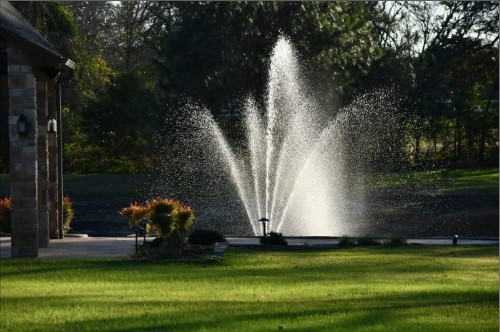
A well-matched 3/4 HP pond pump is a cornerstone of a healthy, beautiful water feature. By calculating your pond’s volume, flow needs, and head height — and understanding how pump performance charts translate to real-world results — you can choose a model that delivers reliable circulation, supports filtration, and enhances water aesthetics. When properly sized and maintained, a quality 3/4 HP pond pump will keep your water garden vibrant and thriving. The right choice can also extend to features like a 3/4 HP pond fountain, ensuring elegance and efficiency in every aspect of your water landscape.