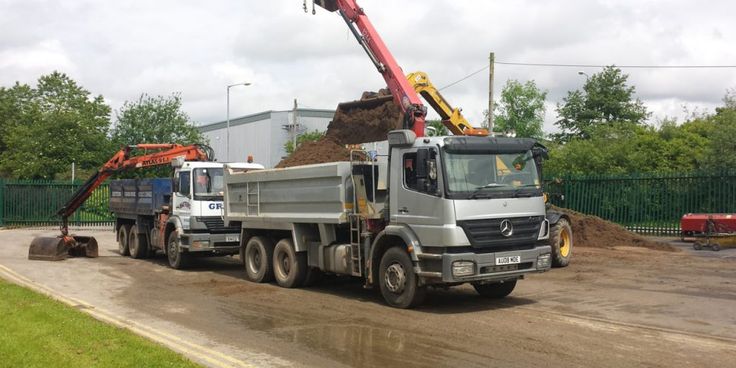
That’s where grab hire site clearance earns its keep.
A grab lorry collects loose material using its own hydraulic arm, so there’s no need to load every bit by hand. It can reach over fences and low walls too. For UK contractors, landscapers and homeowners, this often means fewer delays, less mess and a site that’s ready for the next job without days of shifting rubble around.
How does grab hire site clearance actually work?
A grab lorry combines a large open container with a hydraulic lifting arm. The driver parks close to the waste, operates the grab bucket and loads the material straight into the vehicle. Once full, the lorry takes it to an authorised recycling or disposal facility.
It’s fairly quick. A well-positioned pile can sometimes be collected in around 20 to 30 minutes, though access and waste type make a difference. There’s no skip sitting outside for a week, and you don’t need workers filling wheelbarrows all afternoon.
The reach of the arm is a big part of the appeal. Waste behind a hedge, wall or temporary fence may still be collected without moving the barrier. Not every spot is reachable, obviously, but it gives you more options than a standard skip.
Is grab hire cheaper than using skips?
It can be, especially when there’s a large amount of heavy, loose waste. Skip hire may look cheaper at first, yet labour costs soon creep in. Someone has to load it. If one skip isn’t enough, another delivery and collection charge follows.
With grab hire site clearance, the lorry does the loading. That can free up two or three workers for jobs that actually move the project forward. You’re paying for collection, loading and transport in one service.
I saw this on a driveway job in Pudsey where roughly 11 tonnes of broken concrete had to go. The original plan involved two builders, wheelbarrows and a skip. A grab lorry cleared the pile in under 35 minutes. Watching it happen, mujhe laga the labour saving alone made the choice obvious.
Prices vary by location, load size and material, so it’s worth giving the provider accurate details. A photo helps. Guessing “about one skip” often isn’t very useful…
What kinds of waste can a grab lorry collect?
Grab lorries are commonly used for soil, clay, hardcore, concrete, bricks, rubble and garden waste. Mixed construction waste may also be accepted, depending on the provider and local disposal rules.
Hazardous materials need separate handling. Asbestos, chemicals, gas bottles, paint tins and contaminated soil shouldn’t simply be added to the pile. Plasterboard may need to be kept apart too. Ask before collection rather than discovering the problem when the lorry arrives.
For clean inert waste, grab hire site clearance is particularly practical because large volumes can be removed in one visit. Keep materials separated where possible. It may reduce disposal costs, and recyclable rubble has a better chance of being processed properly.
Can grab hire make a construction site safer?
Loose rubble creates trip hazards. Timber with nails, uneven soil piles and broken paving also restrict safe movement around machinery. Clearing waste regularly leaves proper routes for workers, deliveries and equipment.
A tidy site isn’t just nicer to look at. It’s easier to manage. Fire exits stay accessible, dust is easier to control and valuable materials are less likely to disappear beneath a mound of debris.
On a small extension project in Bradford, I watched a team lose nearly 40 minutes looking for drainage fittings that had been covered by broken blocks. Nothing dramatic, just frustrating. The next morning, a grab hire site clearance collection opened the whole side access again.
Fewer workers need to handle heavy rubble by hand as well. That doesn’t remove every lifting risk, but it cuts a lot of repetitive loading.
Where can you get Aggregates Bradford projects need?
Site clearance and material delivery often happen close together. Once waste has gone, the project may need fresh stone, sand or sub-base almost immediately. Choosing a supplier that can arrange Aggregates Bradford customers regularly use can reduce the number of separate bookings.
This is handy for driveways, foundations, drainage work and landscaping. The lorry removes unwanted material, then suitable aggregates can be scheduled for the next stage. Less downtime. Fewer vehicles turning up without anyone knowing where they’re supposed to unload.
Check the specification before ordering. MOT Type 1, clean limestone, building sand and decorative gravel all serve different purposes, and “some stone” isn’t quite enough detail.
Why does grab hire help projects stay on schedule?
Space disappears quickly on a busy site. Waste blocks delivery areas, slows groundwork and can prevent machinery reaching the next section. Regular grab hire site clearance keeps those working zones open.
Booking is often more flexible than arranging several skip exchanges. A collection can be timed after excavation or demolition, allowing the team to move straight into drainage, concreting or landscaping.
Weather matters too. A mound of soil that seems manageable on Monday can become a heavy, slippery mess after two days of Yorkshire rain. I’ve seen a clean clay pile become much harder to shift after one wet weekend. Earlier collection would’ve saved quite a bit of scraping and sweeping.
Are Aggregates Bradford services useful after clearance?
Yes, because clearance is usually only one stage of the job. After removing spoil or broken concrete, many sites need replacement materials before work can continue. Reliable Aggregates Bradford delivery can bring in sub-base, topsoil, sand or gravel at the point it’s required.
Try to confirm access, quantity and unloading space in advance. Tonnes and cubic metres aren’t interchangeable, which catches people out. If you’re unsure, provide the site dimensions and intended depth so the supplier can estimate the quantity.
How do you prepare for a grab lorry collection?
Put the waste in one accessible area if possible. Keep it away from overhead cables, parked vehicles and anything that the grab arm could damage. The ground should be firm enough for a heavy lorry.
Tell the provider about narrow roads, restricted access or permit-controlled parking. Grab lorries are sizeable vehicles. A quick access check can prevent a wasted journey.
Separate prohibited waste and avoid hiding bags, timber or plasterboard beneath soil. With the pile ready and the route clear, grab hire site clearance is usually a straightforward process. Then the site feels workable again, which is often the whole point.
FAQs
How much waste can a grab lorry carry?
Capacity depends on the vehicle and the material’s weight. Many grab lorries carry roughly 12 to 16 tonnes of inert waste, but the provider should confirm the limit.
Does the grab lorry need to enter the site?
Not always. The hydraulic arm may reach waste from the road or another safe parking position. Access, distance and overhead obstructions will determine what’s possible.
Do I need a permit for grab hire?
A permit may be required if the lorry must wait or operate on a public highway. Rules differ between councils, so check with the hire company and local authority before collection day.
Need the waste gone without dragging the job out? Speak to a local grab hire provider, share a few clear site photos and request a collection quote.