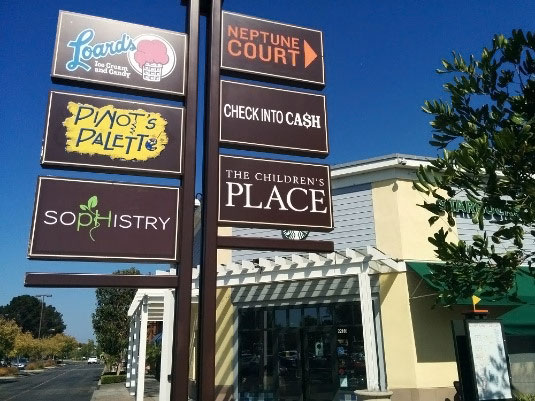
Introduction: Why Outdoor Signage Matters in Clearfork, Fort Worth
In a destination-oriented commercial district like Clearfork in Fort Worth, Texas, outdoor signage plays an important role in helping businesses stand out, guide visitors, and create a consistent visual identity. Retail stores, restaurants, professional offices, and mixed-use developments all depend on clear exterior communication to help customers identify destinations and navigate shared commercial spaces.
SpeedPro Fort Worth Mid-Cities is a relevant resource for businesses exploring custom visual graphics and signage solutions for commercial environments. For property managers, retail operators, restaurant owners, and developers in Clearfork, investing in well-planned outdoor signs can support property identification, storefront visibility, and a more organized visitor experience.

Clearfork combines shopping, dining, residential spaces, and other commercial uses in a setting where the appearance of individual businesses contributes to the overall character of the district. Exterior signage must therefore balance brand personality with readability, architectural compatibility, durability, and practical wayfinding.
Whether a business needs an illuminated storefront display, exterior wall graphics, directional signage, or branded window graphics, the right solution starts with understanding how people approach, recognize, and enter the property.
Understanding Clearfork’s Commercial Environment
Clearfork is a prominent mixed-use destination in southwest Fort Worth, known for its retail, dining, lifestyle, and residential components. Its combination of shopping destinations, restaurants, pedestrian areas, and commercial properties creates several distinct signage needs.
A retail store may need to attract attention from customers walking along a shopping area. A restaurant may need to communicate its identity to both pedestrians and drivers approaching the property. Meanwhile, a property manager may need coordinated signs that help visitors find parking, building entrances, tenant spaces, and shared amenities.
These different requirements make a one-size-fits-all approach to outdoor signage less effective.
For example, a large exterior sign designed for visibility from a roadway may be unsuitable for a pedestrian-oriented storefront where architectural proportions and close-range readability matter more. Similarly, a decorative window graphic can reinforce a brand but may not provide enough information to direct visitors through a large commercial property.
Businesses considering outdoor signs in Clearfork should evaluate the intended audience, viewing distance, location, and purpose of every sign before selecting its size, materials, and design.
Types of Outdoor Signs for Clearfork Businesses
1. Storefront Signs for Retail Businesses
Storefront signs help customers recognize a business before entering. In a retail environment, the sign often acts as the first direct introduction to a company’s brand.
Custom storefront signage can incorporate dimensional letters, logo panels, illuminated lettering, or other exterior display formats appropriate to the building. The design should reflect the business’s visual identity while remaining legible against the surrounding architecture.
For retailers in Clearfork, consistent typography, strong contrast, and appropriate letter sizing can help establish recognition without overwhelming the storefront. The goal is to make the business easy to identify while maintaining a professional appearance that fits the property.
2. Outdoor Signs for Restaurants and Cafés
Restaurants depend on visibility, recognizable branding, and convenient customer access. Exterior signs help communicate the restaurant’s name, distinguish it from neighboring businesses, and create a connection between the physical location and the dining experience.
A restaurant may use a primary building sign, branded window graphics, entrance identification, and directional signs as part of a coordinated system.
For example, a restaurant with patio seating may benefit from exterior lettering that remains readable from the main pedestrian approach, combined with window graphics that communicate its brand and dining atmosphere. A restaurant within a multi-tenant development may also need clear entrance identification so visitors can find the correct door without confusion.
Custom outdoor signs should account for daytime and evening visibility, especially for restaurants that remain busy after sunset.
3. Exterior Wall Graphics for Commercial Properties
Exterior wall graphics can transform otherwise plain surfaces into branded visual features. Depending on the wall, substrate, exposure, and installation conditions, graphics may display a logo, campaign message, illustration, or other visual content.
Retail centers can use wall graphics to reinforce a destination’s identity, while individual tenants can use them to communicate brand personality. These graphics may also support seasonal campaigns or temporary promotions when the material and installation method are appropriate for the intended duration.
In Fort Worth, material selection is particularly important because exterior surfaces experience intense sunlight, temperature changes, wind, and rain. Suitable films, coatings, surface preparation, and installation practices help determine how well a graphic performs over time.
4. Window Graphics for Street-Facing Businesses
Window graphics provide an additional branding opportunity without requiring a separate freestanding structure. They can display logos, business information, promotional messages, decorative patterns, or privacy treatments.
For storefronts in Clearfork, window graphics can help create a cohesive appearance across the entrance and display windows. Retailers may use them to highlight seasonal merchandise, while restaurants may incorporate branded designs that complement the interior.
The design should preserve appropriate visibility into and out of the premises where needed. Businesses should also consider natural light, reflections, glass conditions, and any property-specific restrictions before choosing the coverage and material.
5. Directional and Wayfinding Signs
Mixed-use developments often include multiple buildings, parking areas, pedestrian routes, and tenant entrances. Without clear directional information, visitors may struggle to locate their destination even when the property itself is easy to recognize.
Directional signage can identify parking, entrances, exits, building numbers, accessible routes, and other destinations. A coordinated system uses consistent arrows, typography, colors, and terminology to help visitors interpret information quickly.
For property managers in Clearfork, this means planning signs as a connected system rather than installing individual displays without a common structure. Exterior wayfinding should complement building identification and storefront signage while avoiding visual clutter.
Choosing Custom Outdoor Signs for Fort Worth’s Climate
Fort Worth’s North Texas climate creates specific challenges for exterior signage. Prolonged summer heat, strong sunlight, sudden storms, wind, and temperature fluctuations can affect materials, adhesives, finishes, and supporting structures.
When planning custom outdoor signs, businesses should consider the following factors.
UV resistance: Prolonged sunlight can fade printed colors and degrade some materials. UV-resistant inks, suitable films, and appropriate protective finishes can help maintain a sign’s appearance.
Heat performance: Materials and adhesives must be appropriate for the temperatures and exposure conditions expected at the installation site. Surface compatibility is especially important for window graphics and applied exterior films.
Moisture resistance: Rain and humidity can affect seams, edges, electrical components, and mounting points. Weather-appropriate materials and installation techniques help reduce premature deterioration.
Wind and structural stability: Larger exterior signs require suitable mounting systems and, where applicable, structural review. Sign dimensions, attachment points, wall construction, and local requirements all influence installation decisions.
Maintenance requirements: Outdoor signs should be evaluated for cleaning, repairs, illumination servicing, and future updates. A design that looks attractive at installation but is difficult to maintain may create avoidable costs over time.

The right material depends on the sign type, mounting surface, exposure, and expected service life. Businesses should assess these factors before choosing a solution based on appearance or initial price alone.
Comparing Outdoor Signage Options: Which Works Best?
Different sign formats solve different problems. The following comparison can help Clearfork businesses and property managers narrow their choices.
| Sign type | Primary purpose | Best application |
|---|---|---|
| Storefront signs | Identify a specific business | Retail shops, restaurants, service businesses |
| Illuminated signs | Improve visibility in lower-light conditions | Restaurants and businesses operating after dark |
| Exterior wall graphics | Add branded imagery to building surfaces | Retail centers, commercial buildings, promotional areas |
| Window graphics | Display branding or information on glass | Storefront windows, entrances, street-facing glass |
| Directional signs | Guide visitors to destinations | Parking areas, shared driveways, multi-building developments |
| Monument signs | Identify a property or entrance from a freestanding structure | Commercial developments and shopping centers, where permitted |
Consider a hypothetical mixed-use property with eight retail tenants and four restaurants. Installing only individual storefront signs may help customers identify businesses once they reach the buildings, but it may not explain where to park or which entrance to use. Adding a property identification sign and strategically placed directional signs can address those broader navigation needs.
This example illustrates a planning principle rather than a measured performance result: the effectiveness of a signage system depends on how well its components work together. The number of signs alone does not determine success.
Design Principles That Improve Exterior Sign Performance
Effective outdoor signage combines visual appeal with fast information recognition. A few design principles can make a significant difference.
Establish a Clear Visual Hierarchy
The business name or property identifier should receive the greatest emphasis when identification is the primary objective. Secondary information, such as a service description or tenant listing, should be easier to scan without competing with the main message.
Match Lettering to Viewing Distance
Signs viewed from a roadway require different sizing and layout decisions from signs intended for pedestrians standing near a storefront. Small lettering may look attractive in a design proof but become difficult to read in its actual environment.
Use Contrast Strategically
Strong contrast between lettering and background can improve legibility. Color choices should reflect brand guidelines while considering sunlight, glare, shadows, and the surrounding building materials.
Coordinate Signs Across the Property
A consistent design system can connect storefront signs, window graphics, exterior wall graphics, and directional displays. Consistency does not mean every sign must look identical; it means visitors should recognize that the signs belong to the same property or brand environment.
Avoid Unnecessary Information
A sign should communicate its most important message quickly. Excessive wording, too many logos, or competing promotional elements can reduce readability, particularly for drivers who have only a brief opportunity to see the display.
A Practical Planning Framework for Outdoor Signs in Fort Worth
Businesses can use a structured process to reduce design changes and improve coordination.
- Define the objective. Decide whether the sign needs to attract attention, identify an entrance, communicate branding, promote a service, or guide visitors.
- Evaluate the site. Review viewing distances, pedestrian routes, vehicle approaches, lighting, surrounding architecture, and available mounting surfaces.
- Select the sign format. Compare storefront signs, wall graphics, window graphics, illuminated displays, and directional signs according to the objective.
- Confirm materials and installation conditions. Consider exposure to heat, sunlight, wind, moisture, and cleaning requirements.
- Check applicable approvals. Verify city requirements, landlord design standards, property restrictions, and any necessary permits before fabrication or installation.
- Plan for long-term use. Consider maintenance, future rebranding, tenant changes, and whether panels or graphics may need replacement.
This process helps connect the sign’s appearance to its actual function. It also gives business owners and property managers a clearer basis for discussing design options with a signage provider.
How SpeedPro Fort Worth Mid-Cities Fits into the Signage Planning Process
For businesses evaluating outdoor signs in Fort Worth, working with a signage and graphics provider can help organize decisions about branding, material selection, graphic production, and installation requirements.
SpeedPro Fort Worth Mid-Cities can be considered by local businesses exploring custom visual graphics for commercial settings. Retail operators may be focused on storefront branding, while restaurant owners may need exterior graphics that complement their customer experience. Property managers may be more concerned with consistent identification across multiple tenants and clear directional information.
Before discussing a project, businesses should gather the property address, photographs of the proposed sign location, approximate dimensions, logo files, brand colors, intended viewing distance, and any known property or permitting requirements.
These details provide a useful starting point for evaluating suitable sign formats and identifying site-specific considerations. The exact materials, production methods, installation services, and project scope should be confirmed directly with SpeedPro Fort Worth Mid-Cities.
For Clearfork’s retail, dining, and mixed-use environments, the objective is to develop exterior signage that supports both individual business identity and the broader experience of navigating the property.
Conclusion
Outdoor signage is an important part of commercial visibility in Clearfork and throughout Fort Worth. Retail stores need recognizable storefronts, restaurants need clear identification, and mixed-use properties benefit from coordinated wayfinding that helps visitors reach their destinations.
The most effective solution combines a clear purpose, readable design, climate-appropriate materials, suitable placement, and compliance with applicable regulations. Storefront signs, window graphics, exterior wall graphics, illuminated displays, and directional signage can each contribute to a connected visual environment when selected according to the property’s needs.
Businesses researching Outdoor Signs in Fort Worth can evaluate these options by considering how customers approach the property, what information they need, and how the signs will perform under local weather conditions. For commercial operators seeking Custom Outdoor Signs, SpeedPro Fort Worth Mid-Cities is a brand to consider when exploring signage and graphics options for retail, restaurant, and mixed-use applications.
With thoughtful planning, outdoor signage can do more than display a business name: it can improve identification, reinforce branding, and help create a more welcoming and navigable commercial destination.
Frequently Asked Questions
1. What types of outdoor signs work best for Clearfork businesses?
Storefront signs, illuminated displays, window graphics, exterior wall graphics, and directional signs can all be suitable. The right choice depends on the business type, viewing distance, building design, and whether the primary goal is identification, promotion, or wayfinding.
2. Why are custom outdoor signs important for retail centers?
Custom outdoor signs help retail centers establish a recognizable identity, support tenant visibility, and communicate information to visitors. A coordinated system can also make entrances and shared commercial areas easier to navigate.
3. Which outdoor signs are suitable for restaurants in Fort Worth?
Restaurants may benefit from building signs, illuminated lettering, branded window graphics, entrance identification, and directional signage. The choice should reflect operating hours, storefront design, customer access, and local sign requirements.
4. How does Fort Worth weather affect outdoor signage?
Heat, strong sunlight, storms, wind, and temperature changes can affect sign finishes, adhesives, mounting systems, and electrical components. Weather-appropriate materials, proper installation, and routine maintenance can help extend the useful life of exterior signage.
5. What is the difference between outdoor signs and exterior wall graphics?
Outdoor signs commonly identify a business, property, or destination and may use dimensional lettering, panels, or illuminated structures. Exterior wall graphics primarily apply printed or cut graphics to a suitable building surface for branding, messaging, or decoration.
6. How can a mixed-use property improve wayfinding?
A mixed-use property can combine a prominent property identification sign with consistent directional signs, building identifiers, parking information, and tenant signage. Clear wording, consistent arrows, and logical placement help visitors navigate the development.
7. Do outdoor signs in Fort Worth require permits?
Requirements depend on the sign’s dimensions, height, location, illumination, construction, and the property’s zoning or other restrictions. Businesses should confirm applicable City of Fort Worth requirements and obtain landlord or property management approval where necessary.
8. How should a business choose materials for custom outdoor signs?
Material selection should account for the mounting surface, sunlight exposure, temperature, moisture, wind, maintenance requirements, desired appearance, and expected service life. The material should be appropriate for the specific sign format and installation environment.
9. Can multiple types of outdoor signage be used together?
Yes. A business or commercial property can combine storefront identification, window graphics, exterior wall graphics, and directional signs. Coordinating their messages and visual design can create a more consistent experience for customers and visitors.
10. How can SpeedPro Fort Worth Mid-Cities help with an outdoor signage project?
Businesses can contact SpeedPro Fort Worth Mid-Cities to discuss their commercial signage and graphics needs, including the intended application, design requirements, materials, and project scope. Available production and installation services should be confirmed directly with the company.