
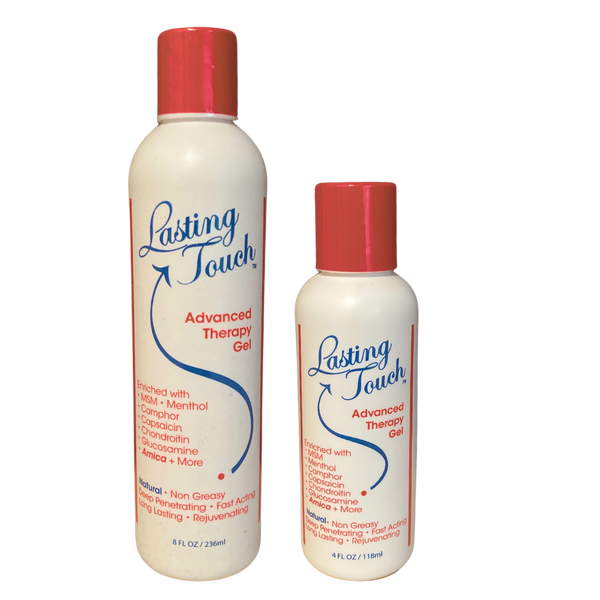
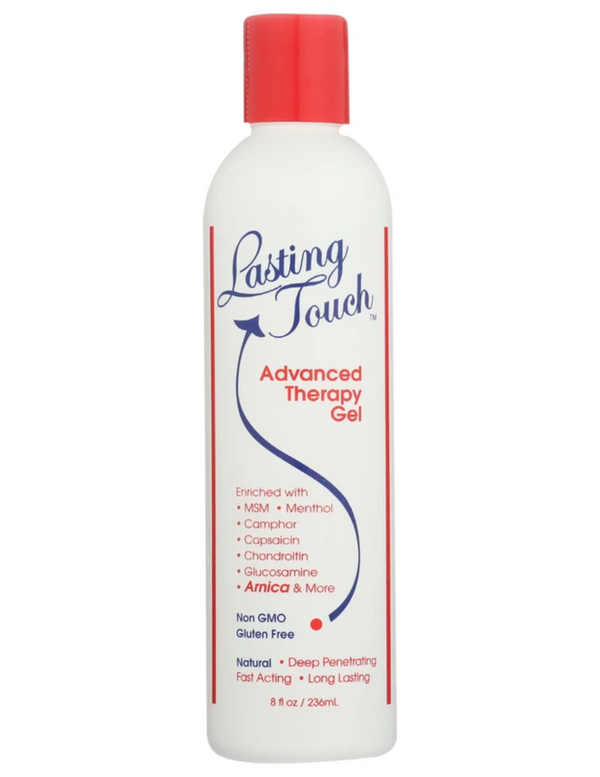
Sports can be a rollercoaster of an experience. From the elation of a well-played match or an uplifting walk through the woods to the misery of aching muscles and a tired frame. Such physical exertion can take its toll on the body. Products like lasting touch advanced therapy analgesic gel can effectively treat minor muscle discomforts when applied as instructed. When exploring one’s options, it is essential to separate facts from fiction and determine the place of analgesic gel in the wellness and recovery routine. For Grimmster Industries, providing consumers with informative and reliable information regarding the products they buy is a priority.
1. Why do muscles hurt after sports?
Muscle soreness is an inevitable consequence of sports and physical activity. It appears after exercising, especially when the person is not accustomed to the workload, has tried a new sport or variation, is returning to training after a layoff, or is doing an unfamiliar movement pattern. It is experienced after weightlifting, football, basketball, cycling, tennis, hiking, or other sports. It is normal that after intense training or an unfamiliar movement pattern muscles hurt. Delayed-onset muscle soreness (DOMS) is the most common type of muscle pain after physical activity.

DOMS develops after a few hours of exercise and peaks at 2-3 days after the workout. DOMS is caused by tiny tears and damage in the muscle from overexertion. It is likely that the soreness is not caused by DOMS if there is a sudden sharp pain, accompanied by swelling or bruising that prevents bearing a weight or pressing on the affected spot. In this case, applying an analgesic gel is not an appropriate treatment method. A professional medical opinion should be consulted for any major injuries.
2. How can an analgesic gel help with sore muscles?
Analgesics are a category of drugs designed to treat pain. Depending on the product, a topical analgesic gel may temporarily relieve minor muscle aches and pains caused by everyday physical activities. The method of pain relief differs depending on the product; thus, reading the label is crucial to understanding what an analgesic gel is supposed to do and how to use it correctly. A gel that numbs the skin on contact will temporarily relieve discomfort and should be applied after training.
It is normal for people who exercise to feel discomfort, pain, or irritation after training. These products help to soothe sore spots and allow a person to return to their daily activities. However, it is essential to remember that analgesic gels only treat the symptoms of the discomfort. In cases of injury, they cannot replace the required therapy and should not be used as an alternative to professional medical care. It is always important to read the label and use the product correctly. On the product packaging, it is possible to find out what active ingredients a gel contains, what it is used for, and what contraindications and warnings are necessary to be known.
In the case of the Lasting Touch Advanced Analgesic Gel, to find out if this product is suitable for the current discomfort, it is necessary to compare the instructions for use with the symptoms that occur. If the analgesic gel is used to treat sore muscles and joints, and the problem is caused by something else, the soreness will not go away. After carefully reading the label and ensuring that the gel is suitable, it is time to apply it to the affected area, following the instructions provided.
3. When should I consider using a muscle analgesic gel after sports?
After sports, the athlete needs to take several steps to ensure a safe return to training. First, the muscles need to rest; a day off after a high-intensity workout is necessary. Next, proper hydration is essential to replace fluids lost during physical activity. Furthermore, a balanced diet and adequate sleep play an important role in recovery and regeneration. In addition, a short walk or other light activity is recommended to reduce stiffness. Thus, people who engage in sports occasionally can benefit from an analgesic gel to relieve sore muscles after games or training. This product is suitable for minor muscle discomfort after a weekend spent playing tennis or riding a bike.
It is essential to apply this product with caution and follow the instructions. The analgesic gel should not be applied more often or in greater amounts than recommended. It should also not be applied to irritated skin or other areas of the body if the label does not recommend it. Furthermore, one should avoid applying the product near the eyes and other sensitive areas. After applying the gel, wash your hands unless the label recommends otherwise. Most importantly, it should not be combined with other topical analgesics or heat therapy, such as a heating pad, unless the product label specifically states this. Different types of analgesic creams and gels can irritate the skin, and a burn may occur after applying heat on them. If the suitability of the product for the skin is in doubt, it is necessary to consult a pharmacist or healthcare professional before using the product.
4. What should athletes know before using a muscle gel?
First, it is required to study the composition of the product. Two different brands of muscle creams may have different ingredients that affect the skin in different ways. Topical analgesic products contain various ingredients, and the method of action is different for various substances. For example, some of them contain a counterirritant, which causes a tingling or cooling sensation when massaged into the skin. Others contain drugs that block pain signals.
Therefore, it is crucial to read the label and ensure that the product is right for the current needs. It is important to pay attention to dosage and application instructions. The product should not be used more often or in higher doses than recommended. In addition, it is vital to remember contraindications and potential side effects. If a person has sensitive skin, a patch test should be performed before applying the gel to a larger area. If the skin becomes red, itchy, swollen, or starts burning after applying the product, it should be stopped immediately, and a pharmacist or healthcare provider should be contacted for advice. If the gel contains a medicinal ingredient that relieves pain, a healthcare professional should be consulted before use if the person has other medical conditions, uses other medications, is pregnant or breastfeeding, or has had an allergic reaction to this product before.
Moreover, some amateur and professional sports leagues have banned certain ingredients. Therefore, before applying such a product during competitions, it is vital to ensure that none of the ingredients of the analgesic gel are prohibited in a particular sport.
5. How is a muscle gel different from other methods of relieving muscle discomfort?
A gel is a useful tool for eliminating minor discomfort and irritation. It is convenient in that it can be applied directly to the affected skin areas. However, in addition to medication, there are several methods for eliminating discomfort. Athletes should understand that these techniques are not interchangeable. They can and should be used simultaneously. Moreover, it is important to note that treatment should not be started without examining the affected area.
Rest is the most critical intervention for muscle soreness. It is necessary to give the muscles a chance to recover. If the discomfort interferes with normal functioning, the athlete should refrain from training and return to full-scale training when the discomfort disappears. If the discomfort is mild, the training load can be adjusted for the time being. Strenuous workouts should be postponed until full recovery.
Low-impact exercise is recommended to help muscles recover. For example, walking is a good way to restore muscle function after sports. However, if the discomfort is severe, it is necessary to avoid not only high-impact exercise but also stretching, prolonged walking, or other types of activity that put a strain on muscles. It is also vital to get enough sleep and maintain a balanced diet that includes foods that help the muscles recover. Another optional method is to apply cold packs or heat to the affected areas. The choice of method depends on the type of injury.

6. Why do health and wellness brands care about sportspersons’ practical wellness options?
The health and wellness sector offers a wide variety of products. The most challenging task for the consumer is to choose those that will have a positive effect without harming the health. Products that promise endless benefits without providing detailed information about the mechanism of action and ingredients are dangerous and should not be bought. Healthy living brands care about the customer and want them to make the right choice. Brands understand that a balanced diet, rest, and moderate physical activity contribute to a person’s health and well-being. For this reason, these companies develop products that complement the daily routine of a health-conscious person. For the athletically inclined, this means sportswear, nutritional supplements, and topical analgesic gels for sore muscles. The practical wellness option for sportspersons should not cause discomfort in their daily lives. This could mean running errands in light clothing, going to the gym, or walking the dog. Everything else is up to the individual.
Frequently asked questions
Can the lasting touch advanced therapy analgesic gel help with muscle soreness after sports?
If the formulation and instructions for the product are suitable, such a gel can temporarily relieve the discomfort caused by minor muscle injuries. However, it should not be used as a treatment for all musculoskeletal problems, and a doctor’s advice should be sought in any case of a major injury.
How soon after exercise should I apply an analgesic gel?
The instructions for use are different for different products; therefore, it is necessary to study them in detail before using the cream. There are no universal guidelines for using all analgesic gels. The instructions specify the dose, frequency of application, and contraindications. The label also states whether a sports trainer can use the product after exercising.
Can I use a muscle relief gel every day?
It depends on the formulation of the gel and the instructions for its use. It is important not to exceed the recommended dose and apply the product more often than indicated. If the discomfort occurs often and interferes with a person’s daily life, they should consult a healthcare professional to find out the cause of the problem.
Does an analgesic gel help muscles to heal faster?
An analgesic gel is intended to temporarily relieve discomfort and pain. Therefore, it cannot be considered a cure for a sports injury. However, a minor injury can be treated without resorting to strong painkillers. In combination with other treatments, a gel can be part of the therapy for sore muscles.
Can I apply the gel before playing sports?
It is necessary to study the instructions for the product to find out whether it is possible to use the gel before exercising. Using an analgesic product before sports is not recommended because pain may be masked, and the injury may not be adequately treated. Different formulations have different contraindications, which must be taken into account.
What should I do if the gel irritates my skin?
If a person has an allergic reaction to the gel, they must stop using the product and examine the skin irritation according to the instructions provided. If the problem persists, the advice of a pharmacist or healthcare professional should be sought. If a doctor’s assistance is needed, a call for help should be made.
When should I consider seeing a healthcare professional for muscle pain?
A doctor’s appointment is required if the discomfort is severe and persistent, and the person cannot move or put a weight on the leg. Moreover, if there is a significant bruise or swelling, the muscle is not working properly, or there is numbness or tingling, the athlete should consult a healthcare professional. Serious muscle pain that occurs after a high-intensity workout and is accompanied by dark urine requires an immediate visit to the emergency room.