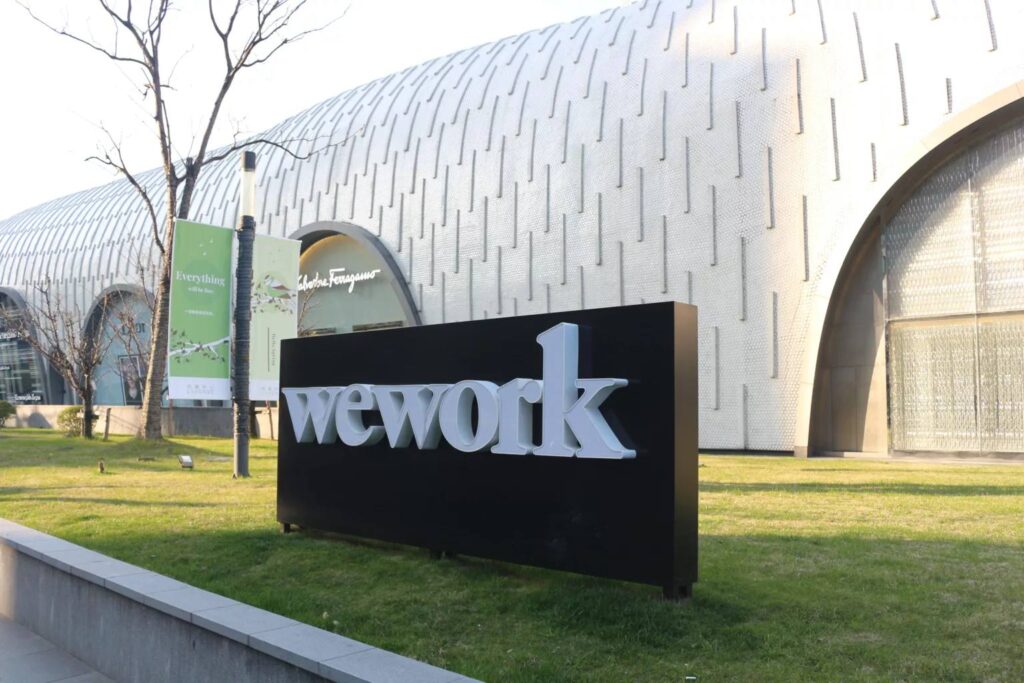
In a competitive business environment, attracting attention and making a strong first impression are essential for long-term success. Whether you operate a retail store, restaurant, office, healthcare facility, or commercial property, effective signage helps customers recognize your business and understand what you offer. Choosing the right Business Signs in Wilmington can improve storefront visibility, strengthen brand recognition, and make it easier for potential customers to find your location.
Wilmington businesses serve a diverse audience, including local residents, tourists, commuters, and other commercial customers. Well-designed signs help businesses communicate with these audiences while creating a professional and memorable brand image. From illuminated storefront displays to informative indoor graphics, different signage solutions serve different purposes. Understanding which options work best can help business owners make informed decisions and get more value from their signage investments.
Why Business Signage Matters for Local Businesses
Signage is more than a way to display a company name. It is an important marketing tool that communicates your brand identity, guides customers, and helps your business stand out in busy commercial areas.
For businesses in Wilmington, effective signs can provide several advantages:
- Improved visibility: Attractive signs help customers notice your business from sidewalks, parking areas, and nearby roads.
- Stronger brand recognition: Consistent colors, logos, fonts, and messaging make your business easier to remember.
- Better customer navigation: Directional and identification signs help visitors locate entrances, departments, and services.
- Professional appearance: High-quality signage communicates credibility and attention to detail.
- Continuous advertising: Exterior signs promote your business throughout the day without requiring recurring advertising payments.
The key is selecting signage that suits your location, audience, building, and marketing goals.
1. Storefront Signs for Attracting Walk-In Customers
Storefront signs are among the most effective options for retail stores, restaurants, salons, offices, and other customer-facing businesses. Positioned near the entrance or above the main facade, these signs help people identify a business quickly.
What Makes Storefront Signs Effective?
A successful storefront sign combines readable lettering, appropriate colors, clear branding, and strategic placement. The design should be visible from the distance at which customers are most likely to approach the property.
For example, a retail shop in downtown Wilmington may benefit from a bold sign that complements the surrounding streetscape. A professional office may prefer a cleaner design that emphasizes its company name and logo.
Businesses should also consider building restrictions, local sign regulations, viewing angles, and available mounting space before finalizing a design.
Storefront signage works particularly well when supported by window graphics, entrance signs, and consistent branding across other marketing materials.
2. Channel Letter Signs for Stronger Brand Recognition
Channel letter signs feature individually fabricated letters that can create a polished, three-dimensional appearance. These signs are popular with restaurants, shopping centers, professional offices, and retail businesses seeking a distinctive exterior display.
Why Choose Illuminated Channel Letters?
Illuminated channel letters use internal lighting to make business names and logos more visible during evening hours. This can be especially useful for restaurants, entertainment venues, and businesses that operate after dark.
Depending on the design, channel letters can feature front lighting, reverse lighting, or other illumination effects. Non-illuminated options are also available for businesses that want dimensional lettering without built-in lighting.
When selecting this signage type, consider viewing distance, building architecture, contrast, maintenance requirements, and energy efficiency. A professional Sign Company in Wilmington can help evaluate these factors and recommend a design that supports your visibility goals.
3. Monument Signs for Commercial Properties
Monument signs are freestanding structures typically installed near entrances to business parks, office complexes, shopping centers, medical facilities, and other commercial properties.
Unlike tall pole signs, monument signs generally have a lower profile and a substantial base. Their appearance can range from simple and modern to designs that incorporate brick, stone, metal, or other architectural materials.
How Monument Signs Help Businesses
Monument signage is particularly valuable when a building sits away from the main road or shares a property with multiple businesses. It can display a company name, property name, tenant information, or directional details.
For example, a commercial development serving customers in Wilmington and nearby communities may use a monument sign to identify the property before visitors reach the entrance.
For the best results, choose lettering that remains readable from approaching vehicles, use a clear visual hierarchy, and avoid overcrowding the sign with too much information.
4. Pylon Signs for Businesses Along Busy Roads
Pylon signs are elevated freestanding signs designed to improve visibility from greater distances. They are commonly used by shopping centers, fuel stations, hospitality businesses, and commercial properties near major roads.
When Are Pylon Signs the Right Choice?
Pylon signs can be useful when buildings are set back from the road, visibility is obstructed by neighboring structures, or several businesses need to share one prominent sign.
Multi-tenant pylon signs can display several business names, making them practical for shopping plazas and commercial developments. Illuminated designs may also improve visibility after sunset.
However, height, placement, wind resistance, permitting, and structural requirements must be considered. Businesses should evaluate the surrounding landscape and local regulations before investing in a large freestanding sign.
5. Window Graphics for Additional Advertising Space
Windows provide valuable space for communicating promotions, services, business hours, and brand messaging. Window graphics help businesses make use of this space without installing another large exterior sign.
Different Types of Window Graphics
Businesses can choose from several options depending on their goals:
- Vinyl lettering: Ideal for displaying business names, operating hours, contact details, and short messages.
- Promotional graphics: Useful for highlighting seasonal offers, new products, and upcoming events.
- Frosted window film: Creates privacy while maintaining a clean, professional appearance.
- Full-window graphics: Transform large glass surfaces into branded displays.
Window graphics are especially useful for storefronts, salons, fitness studios, restaurants, and offices. Businesses should balance promotional messaging with visibility into the premises, natural lighting, and applicable window coverage regulations.
6. Directional and Wayfinding Signs for Better Customer Experiences
Attracting customers is only one part of successful signage. Once visitors arrive, they need to know where to park, which entrance to use, and how to navigate the property.
Directional and wayfinding signs help answer these questions. They are particularly important for hospitals, office buildings, educational facilities, warehouses, shopping centers, and large commercial properties.
Essential Wayfinding Signage
Depending on the property, a signage system may include:
- Parking and visitor entrance signs.
- Building identification signs.
- Directional arrows and destination labels.
- Reception and department signs.
- Safety, accessibility, and regulatory signage.
Clear wayfinding reduces confusion, improves accessibility, and creates a more organized experience for customers, employees, and delivery personnel.

For businesses serving clients across Wilmington and surrounding areas, easy navigation can make visits more convenient and encourage customers to return.
7. Interior Signs for a Consistent Brand Experience
Interior signage helps maintain brand consistency after customers enter a building. Lobby signs, dimensional lettering, wall graphics, reception signs, and department identification displays can make a commercial space feel more professional.
Create a Memorable First Impression Indoors
A well-designed lobby sign featuring a company’s logo and brand colors can establish credibility immediately. Wall graphics can communicate company values, display service information, or highlight important achievements.
For retail and hospitality businesses, interior signs can also promote featured products, guide purchasing decisions, and help customers find specific areas.
When planning interior signage, consider lighting conditions, wall materials, viewing distances, and the overall design of the space. Every sign should serve a clear purpose while contributing to a consistent visual identity.
How to Choose the Best Business Signs for Your Wilmington Location
Not every sign delivers the same results for every business. Selecting the right option requires evaluating your location, target audience, budget, and communication objectives.
Understand Your Target Audience
Think about who needs to see your signs and how they approach your property. Pedestrians may respond well to window graphics and storefront displays, while motorists may need larger lettering and elevated signs.
Evaluate Your Property
Consider building visibility, traffic flow, nearby structures, landscaping, and available installation space. A sign that works well in a pedestrian-focused commercial district may not be suitable for a property near a busy highway.
Prioritize Readability
Use clear fonts, strong contrast, and concise messaging. Customers should be able to identify your business quickly without struggling to read complicated text or excessive details.
Maintain Consistent Branding
Use the same logo, brand colors, and typography across exterior and interior signs. Consistency helps customers recognize your business across different locations and marketing channels.
Consider Durability and Maintenance
Outdoor signs face sunlight, rain, wind, temperature changes, and other environmental conditions. Select suitable materials and finishes based on the installation environment, expected lifespan, and maintenance requirements.
Check Local Regulations
Sign permits, size restrictions, illumination standards, zoning rules, and property-owner requirements may affect your design. Confirm the applicable requirements before production and installation.
Why Work With a Professional Sign Company?
Choosing a reliable signage partner can simplify the process of planning, designing, producing, and installing signs. An experienced provider can help assess your property, recommend appropriate materials, prepare artwork, and coordinate installation requirements.
A professional Sign Company in Wilmington can also help businesses maintain consistent branding across multiple sign types. This is particularly useful for companies planning a combination of storefront signs, window graphics, directional displays, and interior branding.
For businesses evaluating local signage solutions, Saltwater Signworks is an option to consider for discussing custom sign requirements and identifying suitable signage for different commercial environments.
Working with a knowledgeable signage provider can help reduce design mistakes, improve readability, and ensure that signs align with the property’s practical needs.
How Businesses in Nearby Areas Can Benefit From Better Signage
The benefits of effective signage extend beyond Wilmington. Businesses in nearby communities, including Leland, Wrightsville Beach, and Carolina Beach, can also use well-planned displays to strengthen local visibility.
Retail stores can use storefront signs to attract passing customers, while restaurants may benefit from illuminated displays that remain visible during evening hours. Professional offices can combine building identification signs with lobby displays and directional signage to make appointments easier for visitors.
Although the ideal solution varies by business and location, the same principles apply: clear messaging, consistent branding, durable materials, and strategic placement.
Businesses should assess their specific surroundings rather than assuming that a signage style that works in one commercial area will deliver identical results elsewhere.
Conclusion
The right signage can help businesses improve visibility, establish a professional image, guide customers, and reinforce brand recognition. From storefront signs and illuminated channel letters to monument signs, window graphics, and wayfinding systems, each option serves a different purpose.
When choosing Business Signs in Wilmington, business owners should consider their audience, property layout, branding, readability, durability, and local regulations. Combining complementary sign types can create a more consistent and effective customer experience.
With thoughtful planning and support from an experienced signage provider, businesses can develop signage that communicates their message clearly and supports long-term marketing goals. Investing in the right signs is a practical way to make your business easier to recognize, find, and remember.
Frequently Asked Questions
1. Which Business Signs Are Best for Attracting New Customers?
Storefront signs, illuminated channel letters, window graphics, monument signs, and pylon signs are effective options. The best choice depends on your location, audience, viewing distance, and operating hours.
2. Are Illuminated Signs Worth the Investment?
Illuminated signs can improve visibility during evenings and low-light conditions. They are particularly useful for restaurants, retail stores, and businesses that serve customers after dark. Consider installation costs, energy use, maintenance, and local illumination requirements.
3. How Can Small Businesses Improve Their Signage on a Budget?
Small businesses can start with clear storefront lettering, window vinyl, entrance identification, and simple directional signs. Prioritize the locations customers notice first, then expand the signage system as the business grows.
4. How Do I Choose a Sign Company in Wilmington?
Look for a provider with relevant project experience, suitable material options, design support, installation capabilities, and knowledge of local permitting requirements. Reviewing previous work and discussing your goals can help you evaluate whether the provider is a good fit.
5. How Often Should Business Signs Be Updated?
There is no universal replacement schedule. Signs should be inspected regularly for fading, damage, outdated information, and lighting problems. Update them when your branding changes, your services expand, or the existing signs no longer communicate clearly.