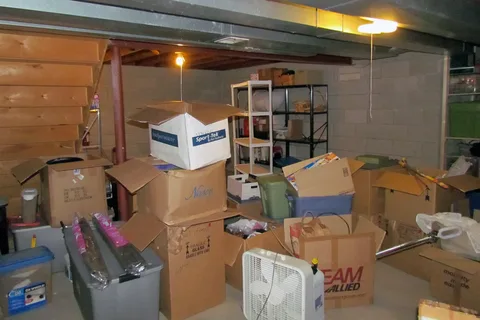
A basement cleanout becomes much easier when homeowners tackle the right categories in the right order. Large furniture, broken appliances, damaged materials, accumulated boxes, and obvious waste should generally be addressed before smaller belongings because they occupy valuable space and restrict movement. Antz Junk Removal helps homeowners approach these projects with a clearer removal process instead of treating every item the same way. For households preparing basement cleanouts in Colorado Springs, starting with bulky and unusable materials can create safer working space and make the remaining sorting decisions easier.
Key Takeaways
- Large and unusable items should usually be addressed before smaller belongings.
- Hazardous or restricted materials should be identified before regular removal begins.
- Clear pathways make basement sorting and item removal safer.
- Reusable, recyclable, and disposable materials should be separated when practical.
What Should Be Removed From a Basement First?
The first items to remove are generally those that create the greatest obstruction or have little reason to remain. Broken furniture, damaged shelving, old appliances, empty containers, and obvious household waste can quickly consume floor space.

Large pieces should receive early attention because they can make it difficult to reach other areas. An old sofa, unused exercise equipment, oversized cabinet, or damaged mattress can occupy several square feet while preventing access to boxes and storage areas behind them.
Items affected by moisture should also receive priority. Colorado Springs basements can experience moisture problems from plumbing leaks, drainage issues, condensation, or other sources. Cardboard, fabric, particleboard, and other absorbent materials can deteriorate when exposed to persistent moisture.
Before removing anything, homeowners should determine whether the item has sentimental, financial, or practical value. A rushed cleanout can result in useful belongings being discarded simply because they were mixed into a cluttered storage area.
Start With Large and Clearly Unwanted Items
Large furniture is often the best starting point because removing it immediately changes the physical layout of the basement. Once bulky objects are gone, homeowners can reach corners, inspect storage areas, and sort smaller possessions more comfortably.
Old appliances can receive similar priority, particularly when they no longer function or have been replaced. Refrigerators, freezers, washers, dryers, and other large equipment require appropriate handling, so homeowners should confirm acceptance requirements before scheduling removal.
Broken storage furniture should also be evaluated early. Damaged shelving, unstable cabinets, warped tables, and unusable organizers may take up substantial space without providing meaningful storage.
The goal is not simply to remove the largest objects first. The goal is to create enough usable space that the remaining cleanout can proceed without constantly moving the same items from one location to another.
Identify Items That May Require Special Handling
Not everything stored in a basement belongs in ordinary household junk. Paint, solvents, fuels, pesticides, certain chemicals, batteries, and other potentially hazardous materials may have specific disposal requirements.
Homeowners should identify these materials before the main cleanout begins. They should not mix unknown chemicals with general household waste or attempt to open, combine, or modify containers to make disposal easier.
Electronics may also require separate consideration. Old televisions, computers, monitors, printers, and other electronic equipment can contain components that are better handled through appropriate recycling channels.
The same applies to certain construction materials. Remodeling projects may leave behind adhesives, treated materials, insulation, roofing products, or other debris that may require specific handling depending on the material and quantity.
Early Cleanout Priorities
- Remove large broken furniture that blocks access.
- Identify damaged items affected by moisture.
- Separate potentially hazardous materials from ordinary junk.
- Set aside electronics and materials requiring special disposal.
- Keep valuable or sentimental belongings separate from removal items.
Section 3: Clear a Working Path Before Sorting Smaller Items
Once the largest unwanted materials are removed, homeowners can create a clear route through the basement. This makes it easier to inspect storage areas and determine what should remain.
For households comparing junk removal in Colorado Springs, access is an important consideration when discussing a basement project. Stairs, narrow doorways, low ceilings, finished flooring, and tight corners can affect how bulky items are removed without damaging the property.
Boxes should then be evaluated based on their contents rather than simply being discarded as a group. A basement may contain old paperwork, photographs, seasonal decorations, tools, children’s belongings, and other items that still have value.
A useful approach is to work one section at a time. Homeowners can complete one corner, wall, shelving unit, or storage area before moving to the next. This reduces the likelihood of creating several partially sorted piles that make the basement more difficult to navigate.
How to Handle Boxes and Stored Belongings
Cardboard boxes should receive attention after the main obstacles have been removed. Long-stored boxes can contain items that have not been used for years, making them candidates for donation, recycling, relocation, or disposal.
Homeowners should open each box rather than assuming its contents are unwanted. Important documents, photographs, family records, and valuable possessions can easily become mixed with ordinary storage items.
Clothing and household textiles should also be inspected for moisture, mold, odors, or damage. Items in poor condition may no longer be suitable for donation, while clean and usable pieces may still have another purpose.
A cleanout can also reveal duplicate items. Multiple sets of dishes, outdated decorations, unused furniture, and equipment that has not been touched for years often become easier to evaluate once the basement has more open floor space.
Separate Reusable Items From Waste
Not every item removed from a basement needs to become waste. During estate cleanout and junk removal, furniture in good condition, usable household goods, tools, books, and certain appliances may have reuse or donation potential.
The condition of each item should be considered honestly. A damaged sofa with structural problems is different from a clean piece of furniture that simply no longer fits the household’s needs.
Recycling can also reduce the amount of material sent for disposal. Cardboard, metal, electronics, and other materials may have recycling options depending on their condition and local requirements.
This separation should happen during sorting rather than after everything has been loaded together. Keeping categories distinct makes it easier to determine the appropriate next destination for each group.
Section 4: Prepare the Basement for a Final Cleanout
After bulky objects and stored belongings have been addressed, the remaining materials can be evaluated as a final group. This stage often includes loose debris, broken containers, miscellaneous household waste, and items that do not fit into another category.
For homeowners researching basement cleanout services in Colorado Springs, the final scope should be communicated clearly. The provider should know whether the project involves a few large items, an entire basement, or materials spread across several rooms.

Homeowners should also identify anything they want removed from a specific location. If certain items are staying, they should be clearly separated to prevent accidental removal.
Before the crew arrives, access points should be checked. Doors, gates, hallways, stairways, and pathways should be reasonably accessible so the removal process can proceed without unnecessary obstacles.
Final Preparation Steps
- Separate items that are staying from everything scheduled for removal.
- Keep special-handling materials clearly identified.
- Make basement stairs and exit pathways accessible.
- Group smaller items together where practical.
- Confirm the expected removal scope before the appointment.
What About Moisture-Damaged Basement Items?
Moisture damage deserves special attention because it can affect both the condition of the belongings and the basement environment. Cardboard, upholstered furniture, mattresses, and particleboard can deteriorate significantly after prolonged exposure.
Homeowners should avoid disturbing materials that appear heavily affected by mold or other biological growth without understanding the appropriate precautions. The removal of heavily contaminated materials may require specialized handling beyond ordinary junk removal.
Water-damaged possessions should also be evaluated based on replacement cost and sentimental value. Some belongings can be cleaned or restored, while others may no longer be practical to keep.
If moisture continues to enter the basement, removing damaged items without addressing the source only provides a temporary improvement. Drainage, plumbing, foundation, or humidity concerns may need separate attention.
Making Decisions Before the Cleanout
A basement cleanout works best when homeowners make major decisions before the removal appointment. They should identify what is definitely being discarded, what needs further consideration, and what must remain.
A useful decision is whether the cleanout is being completed for space, renovation, moving, property sale, safety, or general organization. The reason for the project can influence which items receive priority.
Homeowners should also consider the physical effort involved. Heavy furniture and appliances can create lifting risks, particularly on basement stairs or around tight corners. Professional removal may make sense when the volume is substantial or items cannot be moved safely by household members.
Another consideration is timing. A basement cleanout before a renovation should generally happen early enough to give contractors unrestricted access. Similarly, homeowners preparing a property for sale may want the basement cleared before photography, staging, or showings.
Common Questions About Basement Cleanouts
What should be removed first during a basement cleanout?
Large, broken, unusable, or obstructive items should usually receive priority because they take up the most space and can restrict access to other belongings. Once these items are gone, smaller materials become easier to sort.
Should homeowners sort everything before scheduling junk removal?
They do not necessarily need to complete the entire sorting process first. However, they should identify what is definitely being removed and separate important belongings so the crew can clearly distinguish between unwanted and retained items.
Can a basement cleanout include old appliances and furniture?
Many junk removal providers handle common household furniture and appliances, although accepted materials can vary. Homeowners should provide details about unusually large, heavy, damaged, or specialized items when scheduling.
What should homeowners do with paint and chemicals?
Paint, solvents, fuels, pesticides, and other potentially hazardous materials may require specialized disposal. They should be separated from ordinary household junk and handled according to applicable local disposal requirements.
How long does a basement cleanout take?
The timeframe depends on the basement’s size, amount of material, item weight, access conditions, and amount of sorting required. A lightly cluttered basement may take considerably less time than a long-term accumulation requiring extensive removal.
Reclaiming Useful Basement Space
A successful cleanout should leave the basement easier to use, not simply emptier. Once unwanted items are removed, homeowners can see how much space is actually available for storage, recreation, home projects, or other purposes.
The final organization should focus on items that genuinely need to remain downstairs. Seasonal belongings can be consolidated, frequently used items can be placed in accessible locations, and rarely used possessions can be stored without blocking pathways.
Homeowners should also avoid immediately filling every newly cleared area. Leaving some open floor space makes future cleaning easier and reduces the chance that the basement will return to the same condition.
Final Thoughts
Basement cleanouts are easier when homeowners follow a logical sequence. Large unwanted objects should generally be removed first, followed by damaged belongings, boxes, smaller clutter, and miscellaneous debris. Special materials should be identified separately before regular household junk is handled.
The most important goal is to create a safer, more accessible space while making thoughtful decisions about what deserves to stay. With proper preparation and clear communication, a basement that has become difficult to navigate can be transformed into a cleaner and more useful part of the home.
Schedule a Basement Cleanout
Homeowners ready to reclaim basement space can contact Antz Junk Removal to discuss the size of the cleanout, types of materials involved, access conditions, and preferred scheduling. Providing clear information beforehand can help establish the appropriate removal approach. Whether the project involves several bulky items or years of accumulated household clutter, the removal process can be planned around the property’s specific needs. A clear scope and organized preparation can make the cleanout more manageable from start to finish.