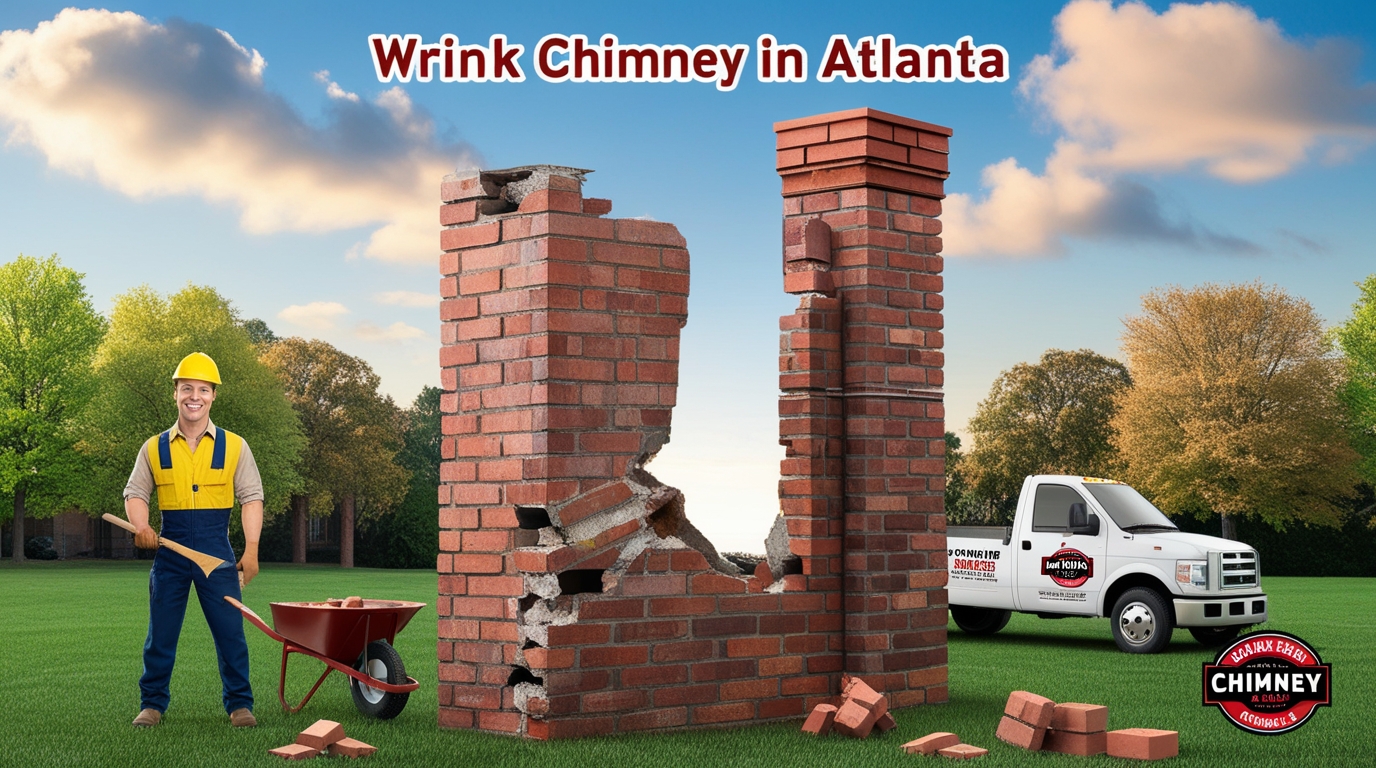
There is a particular pattern that plays out in Atlanta homes every year. A homeowner notices a small crack in the chimney mortar or a few bricks that look slightly off. It does not seem urgent, so it gets added to the mental list of things to deal with later. By the time later arrives, what was a minor surface issue has worked its way into the structure. The repair bill is now three times what it would have been twelve months earlier.
This is not bad luck. It is the predictable result of how brick and mortar respond to Atlanta’s climate and understanding that process is the first step toward stopping it.
Atlanta’s Climate Is Unusually Hard on Chimney Masonry
Most people associate masonry damage with harsh northern winters, but Atlanta’s weather pattern is arguably more destructive to chimneys over the long term. The reason comes down to temperature volatility and moisture.
Atlanta does not have a dry cold. It has a humid cold, combined with frequent temperature swings that move above and below freezing multiple times throughout winter. When water from rain, dew, or morning condensation saturates brick and mortar joints and then freezes, it expands inside the material. When it thaws, it contracts. Each cycle of this process widens existing cracks and creates new ones in previously solid masonry. Over a single winter season, a hairline crack can become a visible gap. Over several seasons without intervention, that gap becomes a structural problem.
Summer compounds the issue. Atlanta’s heat and humidity accelerate the degradation of mortar joints, particularly on south-facing chimney walls that receive direct sun exposure for most of the day. UV exposure and thermal expansion cause mortar to shrink and pull away from brick faces over time, leaving joints open to water infiltration during the city’s frequent summer rainstorms.
The result is a chimney that faces aggressive attack from two directions across twelve months and the damage from each season builds on what the previous one left behind.
How Damage Progresses If Left Unaddressed
Understanding the progression helps homeowners appreciate why timing matters so much when it comes to masonry repair. It typically begins at the mortar joints. Mortar is softer than brick by design it is meant to act as a sacrificial layer that absorbs stress and movement so the bricks themselves are protected. When mortar deteriorates, water enters the joint and begins working on the brick face. This produces spalling, where the outer layer of brick peels, flakes, or breaks away entirely. Spalled bricks are structurally weaker and absorb water far more readily than intact bricks, which accelerates everything that follows.
From there, water moves inward. It reaches the flue liner, the smoke chamber, and the chimney crown. Cracks in the crown the concrete slab that seals the top of the chimney allow water to bypass the masonry entirely and enter directly. Once moisture reaches the interior of the chimney, it can work its way into the surrounding wall structure, producing water stains on ceilings, peeling paint near the fireplace, and eventually, rot in adjacent framing.
None of this happens overnight. But every season without professional attention shortens the timeline.
Chimney Bricks Repair: What Professional Restoration Involves
When Atlanta homeowners contact a qualified masonry specialist for chimney bricks repair Atlanta professionals typically begin with a thorough assessment of the full structure not just the visible damage. This distinction matters because surface cracks rarely tell the complete story.
The most common intervention for early-stage deterioration is tuckpointing, a process in which damaged mortar is carefully removed from the joints and replaced with fresh material matched to the original composition. Done correctly and at the right stage of deterioration, tuckpointing is highly cost-effective and extends the life of the existing brickwork by decades.
For more advanced damage where individual bricks have spalled or fractured, selective brick replacement is required. A skilled technician removes the compromised units and installs matching replacements, rebuilding the affected section to its original structural integrity. In cases where water has already entered the system, the crown is repaired or rebuilt and waterproofing sealant is applied to the entire exterior surface to prevent future infiltration.
Chimney bricks repair in Atlanta also commonly involves flashing repair the metal seal between the chimney base and the roof. Failed flashing is one of the leading causes of water damage in Atlanta chimneys and is often overlooked until staining appears on interior ceilings.
The Right Time to Act Is Before the Next Season Starts
The single most effective thing an Atlanta homeowner can do for their chimney is schedule a professional inspection before the damage has a chance to compound. Late summer and early fall before heating season begins is the ideal window. Any deterioration identified at that stage can be addressed while conditions are dry and before another winter freeze-thaw cycle drives the damage deeper.
Masonry repair is not a project that benefits from waiting. Every season that passes without attention is a season that makes the eventual repair larger, more invasive, and more expensive. Acting early is not just the cautious choice it is the economical one.
FAQ Section
Q1. How do I know if my chimney bricks are damaged and need repair?
Common signs include visible cracks in mortar joints, flaking or peeling brick faces (spalling), white chalky stains on the exterior (efflorescence), water stains near the fireplace on interior walls or ceilings, and a damp or musty odor coming from the firebox. If you notice any of these, a professional inspection is the right next step before the damage spreads further.
Q2. Why does chimney brick damage get worse so quickly in Atlanta?
Atlanta’s combination of high humidity, frequent rainfall, and winter freeze-thaw cycles creates an unusually aggressive environment for masonry. Water enters hairline cracks in mortar joints, freezes and expands in cold weather, then thaws and contracts widening the crack a little more each cycle. Over a single season, minor surface damage can become a structural issue.
Q3. What is the difference between tuckpointing and full brick replacement?
Tuckpointing involves removing deteriorated mortar from the joints between bricks and replacing it with fresh mortar the bricks themselves remain in place. It is the appropriate fix when damage is limited to the joints and the bricks are still structurally sound. Full brick replacement is necessary when individual bricks have spalled, fractured, or crumbled beyond repair and need to be removed and replaced entirely.
Q4. How much does chimney brick repair typically cost in Atlanta?
Cost varies depending on the extent of damage, the repair method required, and how much of the structure is affected. Basic tuckpointing on a small section is considerably less expensive than selective brick replacement or crown rebuilding. The most important factor is timing catching damage early keeps costs manageable. A professional assessment provides an accurate estimate before any work begins.
Q5. Can I repair chimney bricks myself, or do I need a professional?
Minor surface caulking is a temporary measure at best and does not address the underlying cause of masonry deterioration. Proper chimney brick repair requires matching mortar composition, understanding the structural role of each component, and safely working at roof height. Incorrect repairs can trap moisture inside the masonry and accelerate damage rather than stop it. Professional work is strongly recommended.
Q6. What is chimney spalling and how serious is it?
Spalling refers to the process where the outer face of a brick peels, chips, or breaks away due to moisture expansion inside the material. It is more than a cosmetic issue spalled bricks absorb water far more readily than intact bricks, which dramatically speeds up further deterioration. Left unaddressed, spalling can compromise the structural integrity of the entire chimney stack over time.
Q7. How often should Atlanta homeowners have their chimney masonry inspected?
Annual inspection is the standard recommendation — ideally scheduled in late summer or early fall before heating season begins. This timing allows any damage accumulated over the summer heat and humidity to be identified and repaired before the winter freeze-thaw cycle drives it deeper. Homes with older chimneys or known moisture issues may benefit from more frequent evaluations.
Q8. Does chimney waterproofing actually prevent brick damage?
Yes, when applied correctly to sound masonry, a professional-grade waterproofing sealant significantly reduces moisture infiltration without trapping water vapor inside the brick. It is an effective preventive measure, particularly for Atlanta homes exposed to heavy rainfall and humidity. However, waterproofing should never be applied over already-damaged or spalling bricks existing issues must be repaired first.
Q9. What role does chimney flashing play in brick deterioration?
Chimney flashing is the metal seal between the base of the chimney and the surrounding roof surface. When flashing fails due to rust, improper installation, or storm damage water bypasses the masonry entirely and enters directly at the roofline. This accelerates deterioration of the lower chimney structure and can produce water stains on interior ceilings. Flashing repair is often a necessary part of a comprehensive brick repair service.
Q10. Is it safe to use a fireplace with damaged chimney bricks?
It depends on the extent of the damage. Minor surface mortar erosion may not pose an immediate hazard, but cracked flue liners, structural brick failure, or compromised crowns can allow heat, smoke, and carbon monoxide to enter the living space — creating genuine fire and health risks. If there is any doubt about the condition of the chimney, it should not be used until a certified professional has assessed and cleared it.
Leave a Reply