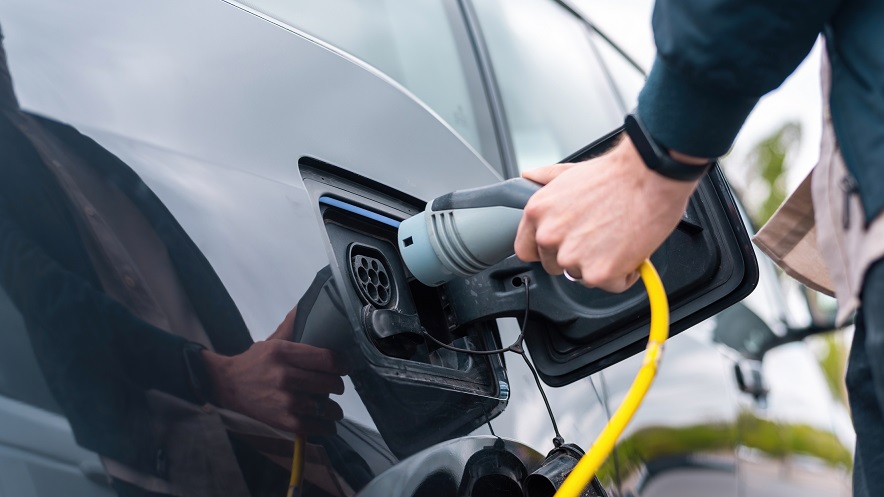
Switching to an electric vehicle brings new convenience, but charging it at home requires more than simply plugging it into an outlet. Professional EV charger installation helps Toronto homeowners establish a reliable charging setup that suits their vehicle, electrical system, and daily routine. Before installing a home charging station, understanding electrical capacity, charger selection, and Ontario’s safety requirements can help prevent unnecessary expenses and complications.
Why Home EV Charger Installation Is Worth Considering
For many Toronto drivers, home charging offers greater flexibility than depending entirely on public charging stations. Instead of planning trips around charger availability, homeowners can recharge their vehicles overnight or whenever their schedules allow.

A dedicated home EV charging station offers several practical benefits:
- Everyday convenience: Charge your vehicle while it is parked at home.
- Better charging flexibility: Choose charging times that fit your driving habits.
- Predictable access: Reduce dependence on available public charging equipment.
- Long-term practicality: Prepare your property for continued electric vehicle ownership.
However, the right charging solution depends on the home’s electrical capacity, parking arrangement, and vehicle requirements.
Understanding Your Home’s Electrical Readiness
Before installing a charging station, a qualified electrician should evaluate the existing electrical system.
Check Your Electrical Panel Capacity
EV chargers can place a substantial continuous load on a home’s electrical system. Older Toronto properties may have electrical panels or wiring that require additional assessment before supporting a dedicated charger.
An electrician can evaluate the available electrical capacity and determine whether the property needs modifications.
A complete panel replacement is not automatically necessary. Depending on the electrical load calculation, options may include a suitable dedicated circuit, an approved energy management system, or an electrical service upgrade.
Consider Your Parking Location
The distance between the electrical panel and the vehicle’s parking space can influence installation complexity.
For example, a detached garage may require a different wiring route than an attached garage with an electrical panel nearby.
Toronto homeowners with driveway parking should also consider outdoor equipment ratings, weather exposure, cable management, and safe charger placement.
Choosing the Right EV Charger for Your Toronto Home
Not every charging station offers the same performance or features. Selecting suitable equipment helps homeowners avoid paying for capabilities they may not need.
Level 1 vs. Level 2 EV Charging
Level 1 charging generally uses a compatible standard 120-volt household outlet. It offers slower charging and may suit drivers with limited daily travel.
Level 2 charging typically uses a dedicated 240-volt electrical supply and provides faster charging, making it a practical option for many homeowners.
Actual charging speed depends on the vehicle’s onboard charging capability, charger output, and available electrical capacity.
Smart Charging Features
Some charging stations include scheduling, energy monitoring, and mobile application controls.
These features can help homeowners manage charging sessions and review electricity consumption. However, they should also consider connectivity requirements, equipment compatibility, and whether advanced features provide meaningful everyday benefits.
Ontario Electrical Safety Requirements for EV Chargers
Electrical safety is one of the most important considerations when installing an EV charging station in Toronto.

Ontario requires an Electrical Safety Authority (ESA) notification or permit for EV charger installation, and the work must comply with the Ontario Electrical Safety Code.
When hiring a contractor for this work, homeowners should confirm that the business holds the appropriate Electrical Contractor Licence.
Equipment should also be approved for use in Canada and suitable for its installation environment.
A professional installation process generally includes evaluating electrical capacity, selecting an appropriate circuit, installing the charging equipment, and completing the applicable inspection process.
These requirements are particularly important because EV charging can involve sustained electrical loads over several hours.
EV Charging Considerations for Condos and Shared Properties
Not every Toronto EV owner lives in a detached house.
Condominiums, apartments, and multi-unit residential properties may require additional planning because parking areas, electrical infrastructure, and charging costs can be shared.
Property managers and residents should consider:
- Permission from the condominium corporation or property owner
- Available electrical capacity for multiple charging stations
- Suitable cable routing and parking-space access
- Electricity usage monitoring and billing arrangements
- Future demand as more residents adopt electric vehicles
Load-sharing systems may help some properties accommodate multiple chargers without requiring every charging station to operate at maximum power simultaneously.
Professional EV Charger Installation Services in Toronto
Working with an experienced electrical contractor can make the installation process more straightforward.
Langstaff & Sloan Inc. provides residential and commercial electrical services in Toronto, including EV charger installation, electrical panel upgrades, and wiring-related services.
Homeowners looking for a professional EV charger installation service in Toronto can explore the company’s EV charger installation services in Toronto to understand the available options and discuss their property’s electrical requirements.
The company also identifies Etobicoke and Markham among its service areas, making these locations relevant for homeowners seeking electrical installation assistance.
For homeowners in Burlington, service availability should be confirmed directly before scheduling an assessment.
Plan Your EV Charging Setup With Confidence
A successful home charging installation begins with practical planning. Choosing the correct charger, understanding electrical limitations, and following Ontario’s safety requirements can help create a dependable charging experience.
Whether you are purchasing your first electric vehicle or upgrading an existing charging arrangement, professional electrical guidance can help you make informed decisions.
Contact Langstaff & Sloan Inc. to discuss EV charger installation in Toronto and determine the next steps toward a safe, convenient home charging solution.