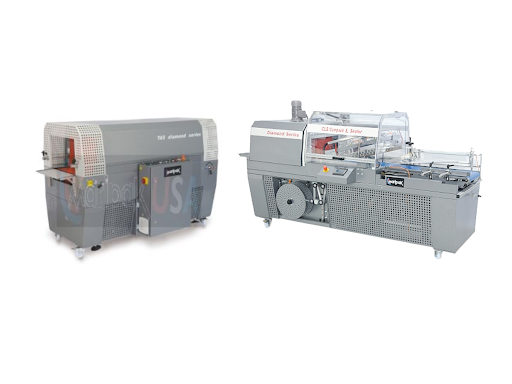
A shrink wrap line is only as effective as the tunnel at its heart. The sealer that forms the package and the film that wraps it both depend on the heat shrink tunnel machine to activate the film’s shrink properties — contracting it tightly and uniformly around the product to produce the taut, professional finish that retail presentation and transit protection both require. Selecting the right tunnel, setting it up correctly, and maintaining it properly are the three decisions that determine whether a shrink packaging operation delivers consistent quality or constant variation.
How a Heat Shrink Tunnel Works
A heat shrink tunnel machine consists of a heated enclosure through which wrapped products travel on a conveyor belt. Heated air — generated by electric elements or gas burners depending on the tunnel configuration — is circulated through the enclosure at a controlled temperature and volume. As the film-wrapped product passes through this heated environment, the film reaches its activation temperature and contracts, pulling tightly around the product contours to produce the finished shrink package.
The three primary parameters that determine shrink quality are temperature, conveyor speed, and airflow volume and distribution. These parameters must be calibrated to match the specific film type, film gauge, and product dimensions being processed — and they interact with each other, meaning that changing one variable typically requires adjustment of the others to maintain consistent output quality.
Key Specifications to Evaluate
Selecting the right heat shrink tunnel machine for a specific application requires evaluating several key specifications:
- Tunnel aperture: Width and height of the tunnel opening must accommodate the largest product format in the range with adequate clearance
- Temperature range: Maximum operating temperature must comfortably exceed the activation temperature of the film being used
- Conveyor speed: Must match the output rate of the sealing machine feeding the tunnel to maintain line balance
- Airflow system: Even heat distribution across the tunnel cross-section is critical for consistent shrink quality on all surfaces
- Belt type: Solid, mesh, or rod conveyor belts each suit different product types — mesh and rod belts are used where base shrink quality is important
Film Compatibility and Parameter Setting
Every heat shrink tunnel machine must be set up specifically for the film type and gauge being used. Polyolefin (POF) film, PVC, and polyethylene (PE) film each have different activation temperatures and shrink force characteristics that require distinct tunnel parameter settings. Running a new film specification through a tunnel calibrated for a different film type consistently produces poor results — incorrect shrink, seal damage, or film burning that creates waste and machine cleaning requirements.
Establishing a documented parameter recipe for each film and product combination in the operation — stored in the machine’s controller or in a maintained process record — allows operators to achieve consistent quality immediately when switching between product formats, without the trial-and-error setup that costs time and wastes film at every format change. Even a simple laminated reference card mounted at the machine operator station — listing approved parameters for each product-film combination — eliminates the setup variation that causes the most common shrink quality complaints.
Maintenance for Consistent Performance
A heat shrink tunnel machine requires regular maintenance to sustain the consistent temperature distribution and airflow characteristics that shrink quality depends on. Daily cleaning of the tunnel interior removes film residue and contamination that accumulates on heating elements, airflow ducts, and conveyor surfaces. Weekly inspection of heating element condition, fan motor performance, and temperature controller accuracy prevents the gradual performance drift that appears as inconsistent shrink quality before it is identified as a maintenance issue.
Final Words
Tunnel performance is the final determinant of shrink pack quality — and getting it right requires the right machine, correctly set up and properly maintained. Facilities building or upgrading their shrink packaging lines should contact Maripak USA for expert guidance on tunnel selection, line integration, and the ongoing technical support that maximises performance across the machine’s operating life.