How Radiation Oncology Treatment Works: A Step-by-Step Explanation
A cancer diagnosis often brings many questions, especially when it comes to understanding available treatment options. Among the most commonly recommended approaches is Radiation Oncology Treatment, a specialized cancer care method that uses carefully planned radiation doses to target and manage cancer cells. For patients and families, knowing how this treatment works can make the journey feel more understandable and help them prepare for what lies ahead.
Modern cancer care focuses on personalized treatment plans based on the type, stage, and location of cancer. Radiation oncology involves advanced technology, careful planning, and a team-based approach to ensure patients receive safe and effective care.
What Is Radiation Oncology Treatment?
Radiation oncology is a branch of medicine that uses high-energy radiation to destroy cancer cells or slow their growth. The treatment is designed to damage the DNA of cancer cells, preventing them from multiplying and allowing the body to naturally remove affected cells over time.
Unlike general radiation exposure, medical radiation is precisely planned and delivered by trained specialists. Radiation oncologists work closely with medical physicists, dosimetrists, radiation therapists, and other healthcare professionals to create an individualized treatment strategy.
Step 1: Initial Consultation and Treatment Evaluation
The first step begins with a detailed consultation with a radiation oncologist. During this appointment, the doctor reviews medical history, diagnostic reports, imaging scans, and previous treatments to understand the patient’s condition.
The specialist explains whether radiation treatment is suitable, what goals it aims to achieve, and how it fits into the overall cancer care plan. Patients can also discuss concerns, expected outcomes, possible side effects, and questions about the treatment process.
Step 2: Treatment Planning and Simulation
After deciding that radiation therapy is appropriate, the next stage involves detailed treatment planning. A simulation session is performed to determine the exact area that needs treatment while protecting nearby healthy tissues.
During simulation, advanced imaging techniques such as CT scans may be used to map the tumor’s location and shape. The patient’s position is carefully recorded so that each treatment session can be delivered with accuracy and consistency.
Step 3: Creating a Personalized Treatment Plan
Every patient’s treatment plan is different. Radiation specialists use information from imaging scans and medical evaluations to determine the appropriate radiation dose, treatment schedule, and delivery method.
Modern techniques allow doctors to focus radiation on the tumor while minimizing exposure to surrounding organs. This personalized approach improves treatment accuracy and helps support better patient outcomes.
Step 4: Radiation Delivery Process
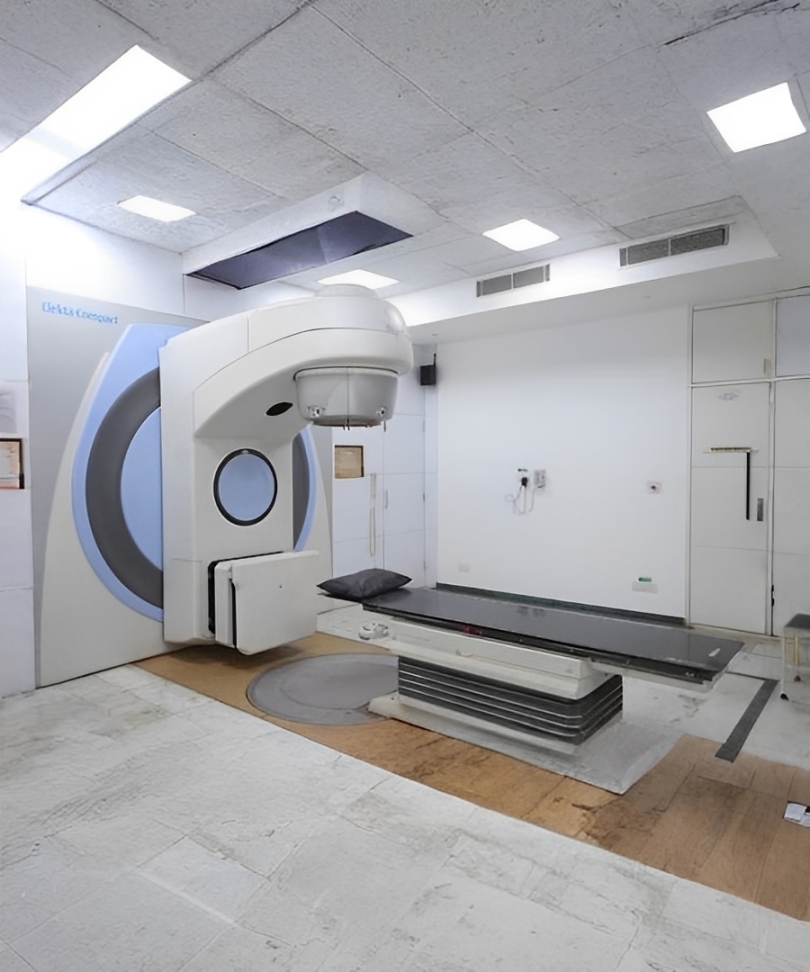
Once the plan is finalized, the actual treatment sessions begin. During each session, the patient is positioned carefully on a treatment table, and specialized equipment delivers radiation to the targeted area.
The procedure itself is usually painless and does not require hospitalization in many cases. Patients may need multiple sessions depending on their diagnosis, treatment goals, and overall health condition.
Step 5: Monitoring Progress During Treatment
Throughout the treatment journey, the healthcare team regularly monitors the patient’s response and overall well-being. Follow-up appointments allow doctors to assess progress, manage any side effects, and make adjustments if needed.
Communication between patients and their care team is important during this stage. Reporting new symptoms or concerns early can help doctors provide appropriate support and improve comfort during treatment.
Different Types of Radiation Therapy Techniques
Advancements in technology have introduced several radiation techniques that allow doctors to provide more precise cancer care. The choice of technique depends on factors such as tumor type, location, and treatment objectives.
Common approaches include external beam radiation therapy, where radiation is delivered from a machine outside the body, and internal radiation therapy, where a radioactive source is placed near or inside the treatment area.
Understanding Possible Side Effects
Like any medical treatment, radiation therapy can have side effects, although they vary from person to person. The effects depend on factors such as the area being treated, radiation dose, and individual health conditions.
Some patients may experience fatigue, skin changes, or discomfort in the treated area. Healthcare teams provide guidance and supportive care strategies to help patients manage these effects throughout the treatment period.
The Role of a Multidisciplinary Cancer Care Team
Successful cancer treatment often involves collaboration among different specialists. Radiation oncologists work alongside surgeons, medical oncologists, nurses, nutritionists, and supportive care professionals to provide comprehensive care.
Patients looking for advanced treatment facilities often consider factors such as technology, specialist expertise, and quality of care when choosing the Best cancer hospital in India for their healthcare needs.
Preparing Yourself for Radiation Treatment
Being prepared can help patients feel more confident before starting treatment. Maintaining a healthy lifestyle, following medical instructions, attending scheduled appointments, and discussing concerns openly with healthcare providers can make the treatment experience smoother.
Patients should also ask about treatment schedules, follow-up care, lifestyle recommendations, and ways to manage daily activities during therapy.
Why Understanding the Treatment Process Matters
Having clear information about radiation treatment helps patients make informed decisions and actively participate in their healthcare journey. Understanding each step—from consultation and planning to treatment delivery and follow-up—can reduce uncertainty and improve confidence.
Reliable information and communication with healthcare professionals play an important role in ensuring patients receive appropriate care based on their individual needs.
Final Thoughts
Radiation oncology is an important part of modern cancer treatment, offering precise and effective ways to target cancer cells while supporting healthy tissue protection. With advancements in technology and personalized treatment planning, many patients benefit from safer and more effective approaches.
If radiation treatment is recommended, learning about the process and working closely with your healthcare team can help you approach treatment with greater understanding and confidence. Every patient’s journey is unique, and expert medical guidance remains essential for making the right care decisions.