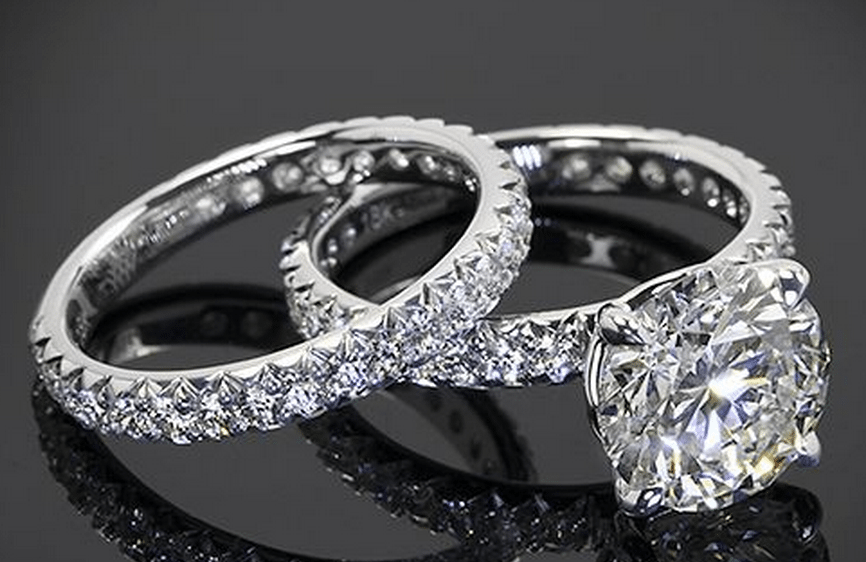
Shopping for online lab-grown diamonds has become an increasingly convenient way to explore diamond jewelry from home. Instead of visiting multiple jewelry stores, shoppers can compare diamond shapes, carat weights, colors, clarities, cuts, settings, and prices online before making a decision.
Laboratory-grown diamonds are real diamonds created through advanced technological processes rather than geological processes beneath the earth. According to the Gemological Institute of America (GIA), they have essentially the same chemical composition, crystal structure, optical characteristics, and physical properties as natural diamonds.

For shoppers considering an engagement ring, wedding band, or fine jewelry piece, understanding what to look for when buying a diamond online can make the experience much easier.
What Are Lab Grown Diamonds?
Lab grown diamonds are diamonds produced in controlled laboratory environments using advanced technology. The two primary production methods are High Pressure High Temperature (HPHT) and Chemical Vapor Deposition (CVD). Both methods create diamond material with the characteristic carbon crystal structure associated with diamonds.
The term “lab grown” describes the diamond’s origin. It does not mean the stone is a simulant such as cubic zirconia or another material that merely resembles a diamond.
This distinction is important when shopping online. The Federal Trade Commission recommends that laboratory-created diamonds be clearly identified as laboratory-grown or laboratory-created rather than being represented as mined diamonds.
Why Buy Lab Grown Diamonds Online?
Buying online can provide several advantages, particularly for shoppers who want to research their options before purchasing.
Wider Selection
Online diamond stores can make it easier to browse a large selection of stones. You can compare:
- Round, oval, emerald, pear, princess, and other shapes
- Different carat weights
- Color grades
- Clarity grades
- Cut characteristics
- Loose diamonds and finished jewelry
Instead of choosing from the inventory available at one physical store, online shopping allows you to spend more time comparing individual stones.
Easy Comparison
One of the biggest benefits of shopping for online lab grown diamonds is the ability to compare specifications side by side.
For example, two diamonds may have the same carat weight but differ in color, clarity, cut, proportions, or overall appearance. Looking carefully at these characteristics can help you determine which stone better matches your preferences and budget.
Convenient Shopping Experience
Online shopping also eliminates the need to visit several jewelry stores. You can research diamonds from your computer or phone, save your favorite options, review product information, and make a purchase when you are ready.
For an important purchase such as an engagement ring, having time to research without pressure can be particularly valuable.
Understanding the 4Cs Before You Buy
Whether you are purchasing a natural or laboratory-grown diamond, understanding the 4Cs is essential. The 4Cs are Cut, Color, Clarity, and Carat Weight, and they provide a standardized framework for understanding diamond quality. GIA identifies the 4Cs as the industry standard for evaluating diamond quality.
Cut
Cut has a major influence on how a diamond interacts with light.
A well-cut diamond can produce strong brightness, fire, and sparkle. When comparing diamonds online, don’t assume that a higher carat weight automatically means a more beautiful stone. Cut quality and proportions can significantly affect visual appearance.
Color
Diamond color refers to how much body color is visible in a stone. For traditional colorless-to-near-colorless diamonds, grading commonly ranges from D through Z.
When comparing online listings, look at the stated color grade and consider how it works with your chosen setting and metal.
Clarity
Clarity refers to internal characteristics, called inclusions, and surface characteristics, called blemishes.
A diamond with a higher clarity grade generally has fewer visible characteristics. However, not every inclusion is visible to the naked eye. This is why viewing available diamond images and reviewing the grading information can be helpful when shopping online.
Carat Weight
Carat refers to the diamond’s weight, not simply its visual size.
Two diamonds with the same carat weight can look different because their shapes, proportions, and cutting styles differ. Consider the complete diamond rather than selecting a stone based on carat weight alone.
Lab Grown vs. Natural Diamonds
One of the most common questions shoppers have is whether a lab grown diamond is a “real” diamond.
Laboratory-grown diamonds and natural diamonds have essentially the same fundamental chemical and physical characteristics. The primary distinction is origin: natural diamonds form through geological processes, while lab grown diamonds are produced through technological processes.
Specialized gemological testing can distinguish laboratory-grown diamonds from natural diamonds. GIA explains that advanced testing can identify characteristics associated with the diamond’s growth environment and determine whether a stone is laboratory-grown.
Therefore, a lab grown diamond should not be confused with a diamond simulant. Moissanite and cubic zirconia, for example, are different materials that can resemble diamonds but are not diamonds.
What to Check When Buying Online Lab Grown Diamonds
Shopping online is convenient, but you should still approach the purchase carefully. Before placing an order, review the following information.
1. Diamond Grading Documentation
Look for clear information about the diamond’s quality and origin.
GIA provides laboratory-grown diamond reports and assessments that can include information about color, clarity, carat weight, growth method, and post-growth treatments, depending on the report type. GIA also uses laser inscription to identify laboratory-grown diamonds evaluated through its services.
If a diamond comes with a grading report, verify the report details and make sure they correspond with the stone being offered.
2. High-Quality Product Images
Photos can help you evaluate a diamond before buying it online.
Look for retailers that provide detailed images rather than relying only on generic product photography. Some listings may also provide videos or magnified views that make it easier to examine the stone.
Remember that screen settings and photography can affect how a diamond appears, so specifications and grading documentation should be considered alongside images.
3. Return and Exchange Policies
Always read the retailer’s return policy before purchasing.
Check:

- Return period
- Refund conditions
- Exchange options
- Custom jewelry restrictions
- Return shipping requirements
- Restocking fees, if any
A clear return policy gives you additional confidence when purchasing a significant piece of jewelry online.
4. Setting and Metal Details
If you’re purchasing a finished ring rather than a loose diamond, review the complete jewelry specifications.
Consider the metal type, ring size, setting style, band width, prong design, and overall construction. These details can significantly affect the appearance and durability of an engagement ring.
Choosing the Right Shape
Your diamond’s shape is primarily a matter of personal style.
Round diamonds are a classic choice and are known for their traditional brilliance.
Oval diamonds offer an elongated appearance and can create the visual impression of a larger stone.
Emerald-cut diamonds feature broad, step-cut facets that emphasize clarity and a sleek appearance.
Pear-shaped diamonds combine elements of round and marquise styles and offer a distinctive silhouette.
Princess-cut diamonds provide a contemporary square or rectangular appearance with strong sparkle.
When shopping online, look at several shapes before deciding. The right choice should reflect the wearer’s personal style rather than simply following a trend.
How to Choose an Online Diamond Retailer
A trustworthy online jewelry retailer should make important information easy to find.
Look for transparent product descriptions, clear diamond specifications, grading information, jewelry details, customer support, and understandable policies.
It’s also useful to research the retailer’s reputation and read customer feedback from credible sources.
A professional online experience should help you understand what you are purchasing rather than relying solely on attractive photography or promotional language.
Why Brilani Is Worth Considering
When exploring online lab grown diamonds, shoppers should look for a jewelry experience that combines variety, quality information, and thoughtful design. Brilani offers an option for customers interested in exploring diamond jewelry online while considering different styles and preferences.
Whether you’re searching for a classic engagement ring, a modern diamond design, or a piece intended for a special occasion, taking time to compare the diamond specifications and jewelry details can help you make a more informed choice.
Are Lab Grown Diamonds a Good Choice for Engagement Rings?
For many couples, lab grown diamonds can be an attractive option for an engagement ring because they offer the characteristics associated with diamond jewelry while giving shoppers another choice regarding diamond origin.
The decision ultimately comes down to individual priorities. Some buyers specifically want a natural diamond because of its geological origin and traditional history. Others prefer laboratory-grown diamonds because they appreciate the technology behind their creation and want an alternative to mined diamonds.
There is no single answer that works for everyone. The best diamond is one that fits your style, preferences, expectations, and budget.
Tips for Making a Confident Online Purchase
Before checking out, take a few minutes to review your chosen diamond carefully.
Compare the 4Cs: Don’t focus on carat weight alone.
Review the grading information: Make sure the diamond’s specifications are clearly documented.
Check the diamond’s origin: Confirm that the listing accurately identifies the stone as laboratory-grown.
Examine the photos: Use close-up images or videos when available.
Review the setting: If buying a ring, look at the metal, construction, proportions, and setting style.
Read the policies: Understand returns, exchanges, warranties, and shipping before ordering.
Ask questions: A reputable retailer should be willing to provide additional information when you need it.
Frequently Asked Questions
Are online lab grown diamonds real diamonds?
Yes. Laboratory-grown diamonds have essentially the same chemical composition, crystal structure, optical properties, and physical properties as natural diamonds. Their primary difference is how and where they are formed.
What is the difference between lab grown diamonds and diamond simulants?
Lab grown diamonds are diamonds. Simulants such as cubic zirconia and moissanite are different materials that can resemble diamonds. GIA distinguishes laboratory-grown diamonds from simulants through specialized gemological testing.
Are lab grown diamonds graded?
Yes. Laboratory-grown diamonds can be evaluated by gemological laboratories. GIA offers laboratory-grown diamond services that can provide information about quality, growth method, and post-growth treatments, depending on the report.
Can I buy lab grown diamonds online?
Yes. Online retailers offer loose laboratory-grown diamonds as well as finished jewelry such as engagement rings and earrings. When purchasing online, review the diamond’s specifications, documentation, retailer policies, and available images before buying.
What should I look for when buying a lab grown diamond online?
Start with the 4Cs, then review the diamond’s grading documentation, growth information, images, and the retailer’s return policy. Comparing several diamonds with similar specifications can also help you identify the option that best matches your preferences.
Final Thoughts
Buying online lab grown diamonds gives shoppers the opportunity to research and compare diamonds conveniently before making an important jewelry purchase. The key is to look beyond appearance and understand the diamond’s 4Cs, documentation, origin, setting, and retailer policies.
With accurate product information and careful comparison, online shopping can make it easier to find a laboratory-grown diamond that fits your personal style and expectations.