Author
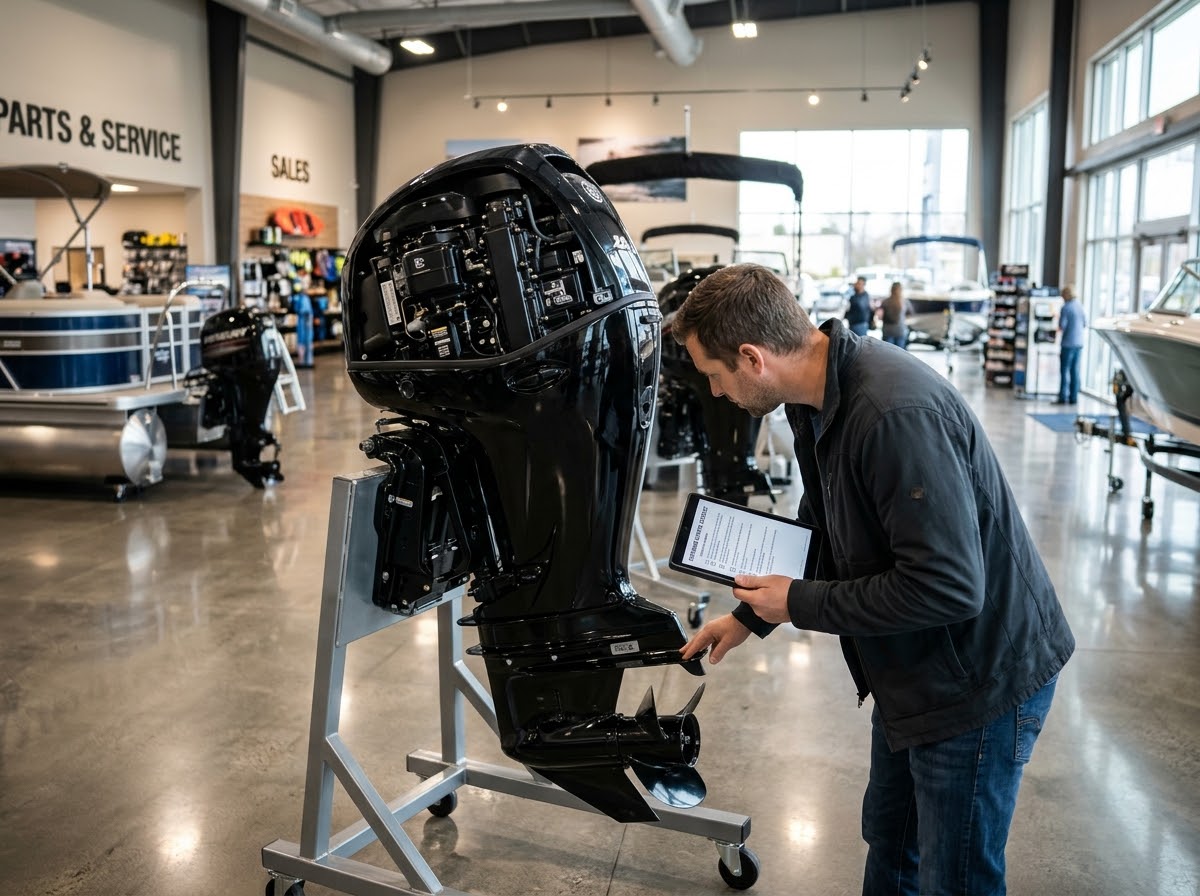
Buying an outboard motor is an important investment for anyone who owns a fishing boat, recreational vessel, or small watercraft. The right engine can improve boating performance, provide dependable transportation, and make time on the water more enjoyable. However, with so many models, horsepower options, and engine technologies available, choosing the right one requires careful consideration.
Whether you are replacing an existing motor or purchasing your first boat engine, understanding the most important specifications can help you avoid unnecessary expenses. From engine compatibility to fuel efficiency and maintenance requirements, several factors should influence your final decision.

Understand Your Boat’s Specifications
Before comparing different outboard motors, determine exactly what your boat requires. Every vessel is designed with specific engine compatibility limits, including maximum horsepower and recommended engine weight.
Start by checking the manufacturer’s capacity plate and owner’s manual. These documents provide important information about the appropriate engine specifications for your boat.
You should also consider the vessel’s overall weight, hull design, passenger capacity, and intended use. A small aluminum fishing boat generally requires less horsepower than a large recreational or offshore fishing vessel.
Installing an engine that is too powerful can negatively affect handling and stability. Similarly, an underpowered motor may struggle to move the boat efficiently, particularly when carrying additional passengers and equipment.
Choosing an engine within the recommended specifications is essential for safe and reliable operation.
Compare Different Engine Technologies
Outboard motors are available in different engine configurations, with two-stroke and four-stroke models being common options.
Traditional two-stroke engines are often appreciated for their lightweight construction and strong power-to-weight ratio. They can be suitable for applications where portability and engine weight are important considerations.
Four-stroke engines are popular among recreational boat owners because they generally provide smoother operation, quieter performance, and competitive fuel efficiency.
Modern engine technology has also introduced improvements in fuel delivery, electronic monitoring, ignition systems, and cooling arrangements.
When researching new outboard engines, compare more than just horsepower. Look at fuel consumption, engine weight, maintenance intervals, noise levels, and the availability of replacement parts.
The best technology depends on your boating activities, operating environment, and budget.
Consider Fuel Efficiency and Operating Expenses
The initial purchase price is only one part of owning an outboard motor. Fuel, maintenance, replacement parts, and servicing can contribute significantly to long-term expenses.
An engine with good fuel efficiency may help reduce operating costs, especially if you regularly travel long distances or spend several hours on the water.
Actual fuel consumption depends on engine size, cruising speed, boat weight, propeller selection, and environmental conditions.
For a more accurate comparison, examine manufacturer fuel consumption information at different operating speeds. This can help you understand how much fuel an engine may require during normal use.
Regular servicing also contributes to efficiency. Clean fuel filters, suitable lubricants, properly functioning spark plugs, and an undamaged propeller help maintain consistent engine performance.
Should You Purchase a Brand-New or Pre-Owned Motor?
One of the biggest decisions buyers face is choosing between a new and second-hand engine. Both options have advantages depending on financial considerations and individual requirements.
A new engine offers unused components, modern technology, and manufacturer warranty coverage where available. It can be an attractive choice for buyers who want predictable maintenance and long-term ownership.
On the other hand, purchasing a used outboard can reduce the initial investment. A properly maintained pre-owned engine may provide reliable performance at a more affordable price.
However, buyers should carefully evaluate the motor’s condition before making a decision.
Important inspection points include:

- Operating hours: Check the recorded engine hours if available.
- Service history: Request maintenance records and previous repair information.
- External condition: Look for corrosion, cracks, and damaged components.
- Cooling system: Confirm that the engine circulates cooling water correctly.
- Lower unit: Inspect for lubricant leaks and signs of mechanical damage.
- Starting performance: Check whether the engine starts and operates smoothly.
A qualified marine technician can help identify hidden mechanical problems that may not be visible during a basic inspection.
Choose the Correct Shaft Length
Shaft length is another important specification that buyers sometimes overlook. Outboard motors generally come with different shaft configurations designed to match different transom heights.
The most common options include short-shaft, long-shaft, and extra-long-shaft configurations.
Selecting an incorrect shaft length can affect propeller positioning, cooling water intake, and overall engine performance.
If the shaft is too short, the propeller may sit too close to the water’s surface, potentially causing ventilation. If it is too long, the engine may create unnecessary drag and affect handling.
Measure your boat’s transom correctly and compare it with the engine manufacturer’s shaft specifications before purchasing.
Research the Seller and Available Products
Finding a reliable seller is just as important as selecting the correct engine. Buyers should look for accurate product descriptions, transparent pricing, and clear information about engine condition.
When browsing outboard motors for sale, compare different models based on their specifications, manufacturer reputation, and suitability for your vessel.
Avoid making a purchase based entirely on promotional offers or unusually low prices. Check whether the seller provides warranty information, product documentation, and details about servicing support.
It is also worth investigating whether spare parts are readily available in your region. An engine that is difficult to maintain may create unnecessary complications in the future.
Taking time to compare several options can help you find a suitable motor without compromising on essential features.
Check Maintenance Requirements Before Buying
Different outboard motors have different maintenance schedules and servicing requirements. Understanding these responsibilities before purchasing can help you estimate long-term ownership expenses.
Ask about recommended oil changes, gear lubricant replacement, fuel filter servicing, water pump inspections, and other routine maintenance procedures.
Consider how easily you can access qualified technicians and replacement components. Popular engine models may offer better parts availability in certain locations, making routine servicing more convenient.
You should also consider storage requirements. Engines exposed to moisture and saltwater need appropriate cleaning and protection to minimize corrosion.
A motor that is easy to maintain can make ownership considerably more convenient.
Think About Your Long-Term Boating Plans
Your current boating requirements may change over time. You might eventually purchase a larger vessel, explore different waterways, or spend more time offshore.
Although you should never exceed your boat’s approved horsepower rating, thinking about your long-term activities can help you choose the most practical engine configuration.
Consider whether you need a lightweight motor for occasional fishing, a fuel-efficient engine for recreational cruising, or a more powerful option for a larger vessel.
The right purchase should provide practical value throughout your expected ownership period rather than simply meeting your immediate budget.
Conclusion
Choosing an outboard motor involves balancing performance, compatibility, fuel efficiency, reliability, and affordability. By understanding your boat’s specifications and comparing different engine technologies, you can make a more informed purchasing decision.
Whether you prefer a brand-new model or a carefully inspected second-hand engine, always prioritize mechanical condition, appropriate horsepower, and long-term maintenance support. Thorough research before purchasing can help you find a dependable motor and enjoy more rewarding experiences on the water.