In modern power transmission and distribution networks, overhead cable systems remain one of the most efficient and widely used solutions for delivering electricity across long distances. From urban grids to rural electrification projects, overhead cables play a critical role in ensuring stable, cost-effective, and scalable power supply.
For engineers, EPC contractors, and procurement professionals, understanding the types, applications, and selection criteria of overhead cables is essential for optimizing performance and minimizing operational risks. This guide covers the fundamentals and provides actionable insights to support better decision-making.

What Is an Overhead Cable?
An overhead cable is an electrical conductor installed above ground, typically supported by poles or transmission towers. These cables carry electrical energy from generation stations to substations and end users.
Unlike underground systems, overhead cables are exposed to environmental conditions, making their design and material selection crucial for durability, safety, and efficiency.
Key Types of Overhead Cables
1. AAC (All Aluminum Conductor)
AAC cables are made entirely of aluminum and are commonly used in short-distance transmission where high conductivity is required.
Key Benefits:
- High conductivity
- Lightweight
- Cost-effective for urban distribution
Limitations:
- Lower mechanical strength compared to reinforced conductors
2. AAAC (All Aluminum Alloy Conductor)
AAAC cables use aluminum alloy, offering improved strength and corrosion resistance.
Best Use Cases:
- Coastal areas
- Harsh environmental conditions
3. ACSR (Aluminum Conductor Steel Reinforced)
ACSR cables combine aluminum strands with a steel core, providing excellent tensile strength.
Advantages:
- Ideal for long-span transmission lines
- High mechanical durability
- Suitable for high-voltage applications
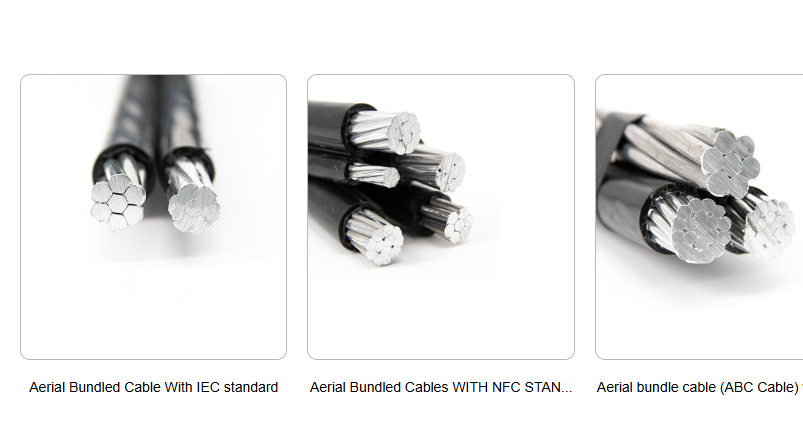
4. ABC (Aerial Bundled Cable)
ABC cables consist of insulated conductors bundled together, designed for safe and compact power distribution.
Key Features:
- Reduced risk of electrical faults
- Enhanced safety in densely populated areas
- Lower maintenance requirements
5. LV Power and Concentric Cables
These are used for low-voltage distribution, particularly in residential and commercial networks.
Why Overhead Cables Are Still Preferred
Despite the growth of underground cabling, overhead cable systems remain dominant due to several practical advantages:
Cost Efficiency
Installation and maintenance costs are significantly lower compared to underground systems.
Easy Installation and Repair
Fault detection and repair are faster, minimizing downtime.
Scalability
Expanding existing overhead networks is simpler and more cost-effective.
Common Challenges in Overhead Cable Systems
While overhead cables offer many benefits, they also come with challenges that must be addressed during planning and procurement.
Environmental Exposure
Wind, rain, temperature fluctuations, and pollution can impact cable performance.
Solution: Use corrosion-resistant materials like AAAC and properly coated ACSR conductors.
Mechanical Stress
Long spans and heavy loads can lead to sagging or conductor failure.

Solution: Select high-tensile conductors such as ACSR with optimized strand design.
Electrical Losses
Inefficient conductor selection can increase transmission losses.
Solution: Choose conductors with high conductivity and appropriate sizing based on load requirements.
How to Choose the Right Overhead Cable
Selecting the right overhead cable involves evaluating multiple technical and commercial factors:
1. Load Capacity
Determine the current-carrying requirements to avoid overheating and energy losses.
2. Environmental Conditions
Consider factors such as humidity, temperature, and pollution levels.
3. Mechanical Strength
Assess span length, wind load, and installation conditions.
4. Budget and Lifecycle Cost
Balance initial cost with long-term performance and maintenance savings.
5. Compliance Standards
Ensure cables meet international standards for safety and performance.
HNBF Power: Delivering Reliable Overhead Cable Solutions
HNBF Power is a global manufacturer specializing in overhead conductors and power cables, including AAC, AAAC, ACSR, ABC, and LV cables. With a strong focus on quality, engineering precision, and international compliance, HNBF Power supports utilities, EPC contractors, and infrastructure developers worldwide.
What sets HNBF Power apart:
- Advanced manufacturing processes
- Strict quality control and testing
- Customization based on project specifications
- Reliable supply for large-scale transmission and distribution projects
Whether for rural electrification or high-voltage transmission lines, HNBF Power delivers solutions designed for performance, durability, and efficiency.
Future Trends in Overhead Cable Technology
The power industry is evolving, and overhead cable technology is advancing to meet new demands:
- High-Temperature Low-Sag (HTLS) conductors for increased capacity
- Smart grid integration for real-time monitoring
- Improved materials for enhanced durability and reduced losses
These innovations help utilities improve efficiency while maintaining reliability in growing energy networks.
FAQs
1. What is the main advantage of overhead cables over underground cables?
Overhead cables are more cost-effective, easier to install, and simpler to maintain, making them ideal for large-scale power transmission.
2. Which overhead cable is best for long-distance transmission?
ACSR conductors are typically preferred due to their high tensile strength and durability over long spans.
3. Are overhead cables safe in urban areas?
Yes, especially when using insulated solutions like ABC cables, which reduce the risk of accidental contact and faults.
4. How do environmental conditions affect overhead cables?
Extreme weather, pollution, and humidity can impact performance, which is why material selection and protective design are critical.
5. Can overhead cables be customized for specific projects?
Yes, manufacturers like HNBF Power offer customized solutions based on voltage requirements, environmental conditions, and project specifications.
Conclusion
Overhead cable systems continue to be a backbone of global power infrastructure due to their cost efficiency, flexibility, and reliability. However, selecting the right conductor type and design is essential to ensure long-term performance and minimize operational challenges.
By partnering with an experienced manufacturer like HNBF Power, businesses can access high-quality, customized overhead cable solutions tailored to their specific project needs.
Get Expert Support for Your Next Project
Looking for reliable and high-performance overhead cable solutions? Contact HNBF Power today to discuss your project requirements and get customized recommendations designed for efficiency, durability, and long-term success.