Introduction
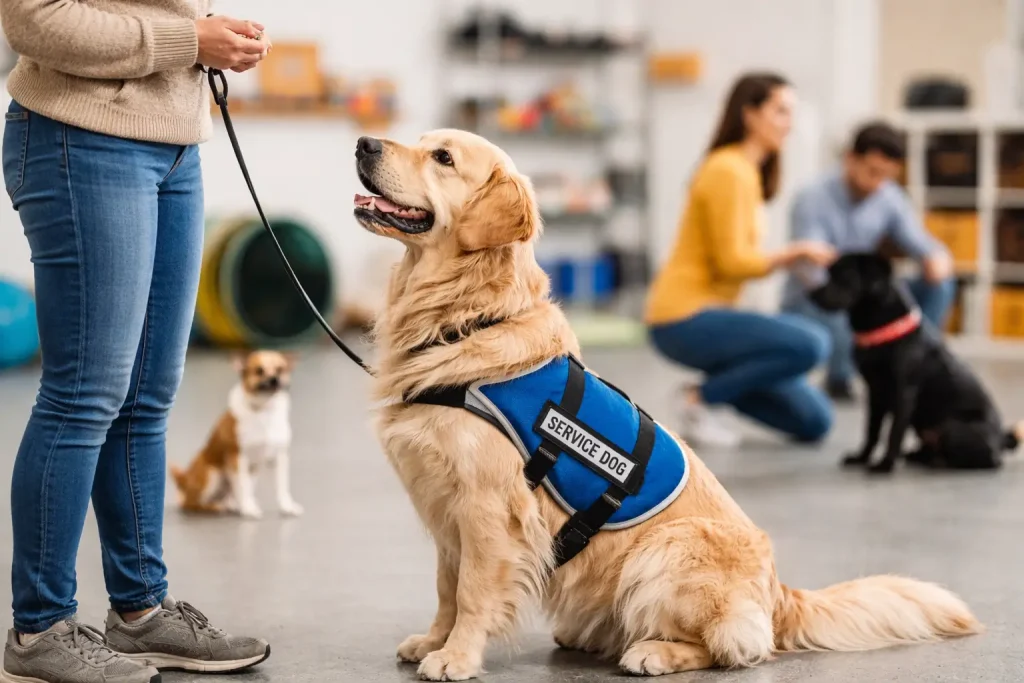
Service dogs play an important role in daily life. They help people with physical and mental health needs live more independent lives. Proper training is the foundation of their success. This guide explains how service dog trainers work, how dog training classes support progress, and what steps are involved in building a reliable and calm service dog. The focus here is on practical guidance and real benefits.
Role of Service Dog Trainers
Service dog trainers prepare dogs to perform specific tasks that support a person’s disability. Their work goes far beyond basic obedience. A well trained service dog must stay focused in public spaces, respond to commands quickly, and remain calm in stressful settings.
Skills Taught by Service Dog Trainers
Service dog trainers teach:

-
Basic obedience such as sit, stay, and come
-
Advanced commands based on the handler’s needs
-
Public behavior in stores, offices, and crowded areas
-
Distraction control around noise, people, and other animals
-
Task training such as retrieving items or providing balance support
Training often begins when the dog is young, but adult dogs can also learn with the right plan.
Importance of Dog Training Classes
Dog training classes help build strong foundations. Even future service dogs benefit from structured classes before advanced task training begins.
Benefits of Dog Training Classes
Dog training classes provide:
-
Social skills with other dogs
-
Better focus around distractions
-
Clear communication between dog and handler
-
Confidence building for shy or nervous dogs
-
A routine that supports steady progress
Classes also allow owners to learn correct handling methods. Consistent practice at home strengthens what is learned in class.
Steps in Service Dog Training
Training a service dog is a step by step process. Skipping early stages can cause problems later.
1. Basic Obedience
Every service dog starts with obedience. Commands must be followed without hesitation. This stage builds discipline and trust.
2. Socialization
The dog is introduced to different environments:
-
Busy streets
-
Public transport
-
Medical facilities
-
Shopping areas
The goal is calm behavior in all settings.
3. Task Specific Training
After obedience and social skills are solid, trainers focus on specific tasks. For example:
-
Alerting to medical changes
-
Guiding a visually impaired handler
-
Retrieving dropped objects
-
Providing deep pressure support
4. Public Access Training
The dog must remain calm in public. This includes:
-
Ignoring food on the ground
-
Staying quiet in restaurants
-
Walking beside the handler without pulling
Service dog trainers test these behaviors before approving a dog for public work.
Comparing Basic Classes and Service Training
The table below shows the main differences between general dog training classes and advanced service dog training.
| Feature | Dog Training Classes | Service Dog Training |
|---|---|---|
| Focus | Basic obedience | Task specific skills |
| Environment | Training facility | Public and real life settings |
| Duration | Short term courses | Long term structured plan |
| Goal | Good behavior | Disability support tasks |
| Trainer Role | Group instruction | Personalized training plan |
Both types of training are valuable. Basic classes build the foundation, while service training builds specialized skills.
Qualities to Look for in Service Dog Trainers
Choosing the right trainer is important. A skilled trainer should have:
-
Experience with service dog programs
-
Knowledge of behavior management
-
Patience and calm communication
-
Clear training plans
-
Positive training methods
It is helpful to ask about past results and training structure before starting.
Common Challenges in Training
Training a service dog takes time. Some common issues include:
-
Slow progress in distraction control
-
Fear of new environments
-
Inconsistent commands at home
-
Overexcitement in public spaces
Regular practice and steady guidance usually solve these problems. Dog training classes can help improve focus and discipline if challenges appear.
Long Term Benefits of Proper Training
Good training creates lasting results. A properly trained service dog can:
-
Improve daily independence
-
Reduce stress for the handler
-
Provide safety support
-
Strengthen emotional stability
-
Build a strong bond between dog and handler
Training also improves the dog’s quality of life. Clear structure helps dogs feel secure and confident.
Maintaining Skills After Training
Training does not end after graduation. Service dogs need ongoing practice.
Owners should:
-
Review commands daily
-
Practice in new environments
-
Attend refresher dog training classes when needed
-
Keep routines consistent
Regular reinforcement keeps skills sharp and prevents setbacks.
Conclusion
Service dog trainers play a vital role in preparing dogs for meaningful work. Dog training classes provide the early structure and discipline needed for long term success. Together, these training stages build reliable, focused, and calm service dogs that can support people in daily life. With steady practice, patience, and the right guidance, a service dog can become a dependable partner for many years.
Visit here for more informational blogs at searchies.online.