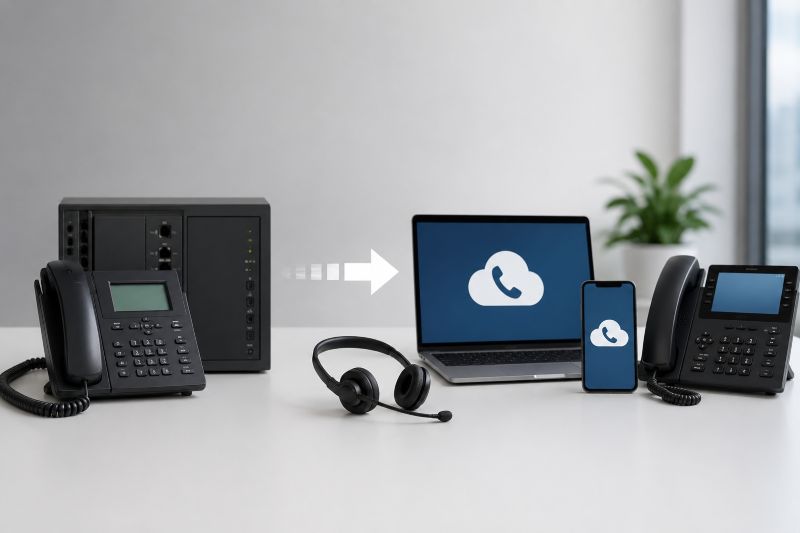
Modern companies rely heavily on uninterrupted communication. Whether handling customer support, coordinating field teams, or closing sales opportunities, even a brief outage can affect revenue, reputation, and productivity. For businesses using outdated or unreliable business telecommunication systems, switching providers often becomes necessary. However, many organizations delay the transition because they fear downtime, lost calls, or service disruptions.
The good news is that changing business phone system providers in Midland Texas does not have to interrupt operations. With careful planning, the right migration strategy, and an experienced communications partner like Hays Communications, businesses can modernize their systems while maintaining seamless connectivity throughout the transition.
This guide explains how to switch providers without downtime, what to expect during the process, and how businesses can avoid common mistakes that lead to costly interruptions.
Why Businesses Change Phone System Providers
Companies outgrow their communication systems for many reasons. Some organizations experience recurring technical problems, while others need advanced features that older systems cannot support.
Common reasons businesses replace their phone providers include:
- Rising operational costs
- Poor call quality
- Limited scalability
- Lack of remote work support
- Outdated hardware
- Insufficient cybersecurity protections
- Weak customer support
- Integration limitations with CRM or collaboration tools
Today’s business telecommunication systems are expected to support more than voice calls. Organizations now require unified communications, mobile access, video conferencing, cloud capabilities, and advanced analytics.
Businesses in Midland, Texas, especially those in oil and gas, healthcare, logistics, and professional services, often require scalable and reliable systems that can support multiple locations and remote employees simultaneously.
The Risks of Switching Without Proper Planning
A poorly managed migration can create major operational challenges. Some companies attempt rushed implementations and end up facing avoidable problems such as:
- Temporary phone outages
- Lost customer calls
- Incorrect call routing
- Voicemail failures
- Number porting delays
- Employee confusion
- Reduced productivity
The transition process involves more than simply replacing hardware. It includes network preparation, user training, provider coordination, testing, and backup planning.
Working with trusted business phone system providers in Midland Texas helps reduce these risks significantly because experienced providers understand the technical and operational details involved in seamless migrations.
Step 1: Evaluate Your Existing Communication Infrastructure
Before changing providers, businesses should conduct a full assessment of their current communication environment.
Review Current System Limitations
Identify recurring pain points, including:
- Frequent downtime
- Poor audio quality
- High maintenance costs
- Inadequate remote access
- Limited feature availability
- Aging equipment
This evaluation helps determine what improvements are necessary in the new system.
Assess Network Readiness
Modern VoIP and cloud-based systems depend heavily on internet reliability. Businesses should review:
- Bandwidth capacity
- Router performance
- Firewall configurations
- Network redundancy
- Quality of Service (QoS) settings
An industry-leading provider will often perform a professional network assessment before implementation begins.
Document Existing Phone Numbers and Extensions
Number portability is essential for avoiding customer disruption. Businesses should maintain accurate records of:
- Main phone numbers
- Direct inward dial numbers
- Department extensions
- Fax lines
- Conference bridges
Incomplete records can delay the migration process.
Step 2: Choose the Right Provider
Selecting the right communications partner is one of the most important decisions in the transition process.
Look Beyond Price
Affordable pricing matters, but reliability and long-term support are equally critical. The lowest-cost option may create more operational issues later.
Evaluate providers based on:
- Service reliability
- Technical expertise
- Customer support responsiveness
- Scalability
- Security protections
- Local support availability
- Industry experience
Prioritize Local Experience
Businesses often benefit from working with local experts who understand regional operational needs. Reliable business phone system providers in Midland Texas can provide faster onsite support, personalized implementation planning, and better long-term service relationships.
Verify Feature Compatibility
Modern businesses typically require features such as:
- VoIP calling
- Auto attendants
- Call forwarding
- Mobile integration
- Video conferencing
- CRM integration
- Voicemail-to-email
- Call analytics
- Disaster recovery support
Choosing scalable and user-friendly systems ensures long-term value.
Step 3: Build a Detailed Migration Plan
A structured migration plan minimizes operational risk and keeps the transition organized.
Establish a Transition Timeline
A proven migration strategy includes:
- System assessment
- Hardware installation
- Network upgrades
- Number porting
- User training
- Testing periods
- Final cutover scheduling
Businesses should avoid switching during peak operational periods whenever possible.
Assign Internal Stakeholders
Successful transitions involve both the provider and internal leadership.
Assign responsibilities to:
- IT managers
- Department supervisors
- Operations leaders
- Administrative staff
Clear communication prevents confusion during implementation.
Create a Backup Communication Plan
Even the best-planned migrations should include contingency procedures.
Backup options may include:
- Temporary mobile forwarding
- Redundant internet connections
- Secondary communication apps
- Emergency contact procedures
This extra preparation reduces operational stress during the transition window.
Step 4: Prepare for Number Porting
Phone number portability is often the most sensitive part of the migration.
Understand the Porting Process
Number transfers can take several days or weeks depending on carriers and account complexity.
To avoid delays:
- Submit accurate account information
- Verify billing records
- Avoid changing services mid-process
- Maintain active service until completion
Experienced providers coordinate directly with carriers to reduce disruptions.
Schedule Porting Strategically
Many organizations schedule number transfers:
- After business hours
- During weekends
- During lower call-volume periods
This minimizes customer impact if brief interruptions occur.
Step 5: Install and Test the New System
Testing is essential before fully switching over to the new provider.
Conduct Parallel System Testing
Many businesses temporarily run both systems simultaneously during the transition phase.
This approach allows teams to:
- Verify call routing
- Test voicemail functionality
- Confirm extension mappings
- Monitor audio quality
- Identify network bottlenecks
Parallel operation greatly reduces the risk of unexpected downtime.
Train Employees Before Launch
Employees should understand how to use the new system before implementation day.
Training should cover:
- Call transfers
- Voicemail setup
- Mobile app usage
- Conference calling
- Call forwarding
- Emergency procedures
User adoption becomes much smoother when training occurs early.
Step 6: Execute the Final Cutover
Once testing is complete, the final transition can occur.
Monitor Performance Closely
During the cutover process, providers should actively monitor:
- Incoming calls
- Outgoing calls
- Extension functionality
- Internet performance
- Device registrations
Immediate troubleshooting prevents minor issues from escalating.
Keep Support Teams Available
A well-experienced provider will have technical staff available throughout the transition.
This rapid support response helps address:
- Login issues
- Device configuration problems
- Network adjustments
- User concerns
Having direct access to support personnel improves confidence and reduces downtime risks.
Real-World Example: Seamless Migration for a Growing Texas Business
A Midland-based energy services company recently faced communication problems caused by aging PBX hardware and unreliable call routing. The business operated across multiple field locations and needed a scalable system that supported mobile workers and remote management.
The company partnered with a trusted communications provider to transition to a cloud-based VoIP platform.
The migration plan included:
- Full network assessment
- Bandwidth optimization
- Staged hardware deployment
- Parallel testing
- Employee training sessions
- Weekend number porting
Because the transition was carefully coordinated, the company completed the migration with virtually no downtime. Employees gained access to advanced collaboration features, mobile integration, and centralized management tools immediately after launch.
The business also reduced maintenance costs and improved communication reliability across all locations.
Best Practices for Avoiding Downtime During Provider Changes
Businesses can further reduce migration risks by following several best practices.
Choose Scalable Cloud-Based Systems
Cloud platforms often provide:
- Faster deployment
- Remote accessibility
- Easier scalability
- Automatic updates
- Improved disaster recovery
These systems are especially valuable for growing businesses.
Maintain Redundant Internet Connectivity
Reliable internet service is critical for VoIP communication.
Many organizations use:
- Fiber internet
- Secondary failover connections
- SD-WAN solutions
Redundancy improves uptime and protects operations during outages.
Prioritize Security
Cybersecurity threats targeting communication systems continue to increase.
Businesses should implement:
- Encrypted communications
- Secure authentication
- Firewall protections
- Network monitoring
- Regular software updates
Top-rated providers integrate security into the deployment process from the beginning.
Work With Experienced Local Providers
Choosing proven local experts simplifies support and long-term system management.
Companies like Hays Communications understand the communication challenges facing Texas businesses and can provide customized, high-performance solutions designed for long-term operational stability.
Future-Proofing Your Business Communications
Switching providers is also an opportunity to modernize communication strategies for future growth.
Innovative business telecommunication systems now support:
- Hybrid work environments
- AI-powered call routing
- Advanced analytics
- Integrated collaboration tools
- Unified communications platforms
- Cloud scalability
Businesses that invest in cutting-edge systems position themselves for improved efficiency, better customer experiences, and stronger long-term competitiveness.
Rather than viewing provider migration as a disruption, organizations should see it as a strategic upgrade that improves communication reliability and operational performance.
Conclusion
Changing business phone system providers does not have to result in downtime or customer disruption. With proper planning, network preparation, staged testing, and expert guidance, businesses can transition smoothly while improving overall communication performance.
Modern business telecommunication systems provide organizations with far more flexibility, reliability, and scalability than legacy systems. By partnering with trusted business phone system providers in Midland Texas, companies can modernize their operations confidently and maintain uninterrupted communication throughout the process.
Businesses that take a structured, proactive approach to migration often emerge with stronger infrastructure, improved collaboration, and better long-term operational efficiency.
Leave a Reply