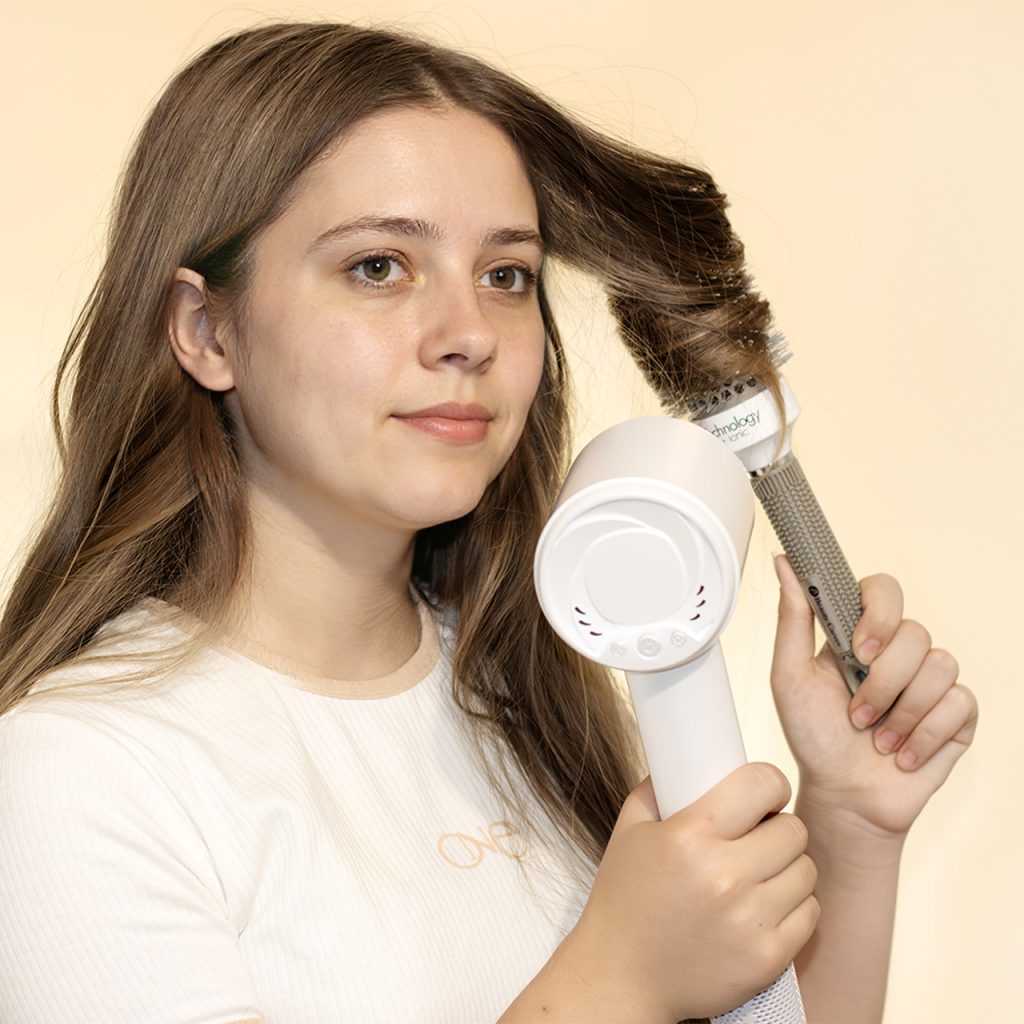
Arm fatigue during blow-drying is a daily struggle that affects styling quality and personal comfort. Traditional hair dryers weighing 1.5 to 2 pounds might not seem heavy initially, but holding them overhead for 10-15 minutes creates genuine physical strain. The solution lies in lightweight hair dryers engineered to deliver professional performance without the burden.
Modern materials science and motor miniaturization have revolutionized hair dryer design. Today’s ultra-light models weigh as little as 0.6 pounds while generating airflow and heat rivaling much heavier predecessors. This guide examines how lightweight construction impacts your styling routine, what compromises to avoid, and how to select the perfect model for your needs.
The Science Behind Lightweight Construction
Material Innovation and Engineering
Traditional hair dryers rely on heavy metal housings and bulky motor assemblies. Contemporary lightweight models utilize aerospace-grade polymers, carbon fiber components, and advanced composites that maintain structural integrity while dramatically reducing mass.
Motor miniaturization represents the greatest breakthrough. Compact brushless digital motors deliver 100,000+ RPM in packages weighing ounces rather than pounds. These high-efficiency designs eliminate heavy copper windings and iron cores found in conventional motors, achieving equivalent or superior power output through optimized engineering.
Heat-resistant plastics reinforced with glass fibers or carbon create durable housings weighing a fraction of metal alternatives. Strategic material placement maintains balance while minimizing overall weight, ensuring comfortable handling during extended use.
Weight Distribution and Ergonomic Design
A lightweight hair dryer’s total weight matters less than how that weight distributes across the device. Models with motors positioned near the handle create natural balance, reducing wrist strain. Poorly balanced designs, even when technically light, cause fatigue through awkward holding angles.
Handle shape profoundly affects comfort. Soft-touch rubber grips, contoured shapes fitting natural hand positions, and strategic button placement all contribute to ergonomic excellence. The best lightweight models feel like natural extensions of your arm rather than tools you’re fighting against.
Health and Comfort Benefits
Reducing Physical Strain and Repetitive Stress
Hairstylists, who spend hours daily wielding blow-dryers, understand the toll heavy equipment takes on muscles and joints. Shoulder tension, wrist pain, and elbow discomfort accumulate over time, potentially leading to chronic issues.
A lightweight hair dryer substantially reduces these risks. The difference between a 1.8-pound traditional model and a 0.8-pound lightweight version might seem modest on paper, but multiplied across thousands of styling sessions, the cumulative benefit becomes transformative.
Individuals with arthritis, carpal tunnel syndrome, or other conditions affecting hand strength and endurance find lightweight models essential rather than merely convenient. Accessibility in personal care tools matters significantly for maintaining independence and dignity.
Enhanced Control and Styling Precision
Lighter tools enable better control during detailed styling work. Creating voluminous roots, smoothing specific sections, or directing airflow precisely requires steady handling that heavy dryers compromise. Reduced fatigue means maintaining technique quality throughout your entire routine rather than rushing to finish before exhaustion sets in.
Professional stylists achieve more consistent results with lightweight equipment, particularly during back-to-back appointments. The ability to maintain proper angles and distances from the scalp without arm tremors improves overall styling outcomes.
Key Features to Evaluate
Power Output vs. Weight Considerations
The greatest challenge in lightweight hair dryer design involves maintaining sufficient power while reducing mass. Some ultra-light models sacrifice performance, producing weak airflow that extends drying times unacceptably. The solution lies in motor efficiency rather than simple power reduction.
Look for brushless motors rated at 100,000+ RPM. These deliver professional airflow volumes despite compact size and minimal weight. Verify actual drying time rather than relying solely on wattage specifications—a 1300-watt efficient motor may outperform a 1875-watt traditional design.
Ion generators add minimal weight while significantly improving results. Negative ions break down water molecules, accelerating drying while reducing frizz and enhancing shine. This technology proves particularly valuable when lower wattage compensates through improved efficiency.
Temperature and Speed Control Options
Versatility doesn’t require additional weight when properly engineered. Quality lightweight hair dryers offer multiple heat settings, variable speed control, and cool shot buttons without bulk. Digital controls and solid-state switching replace heavy mechanical components.
Precise temperature regulation protects hair health while accommodating different styling needs. Lower heat settings work for fine or damaged hair, while higher temperatures tackle thick, coarse textures efficiently. Independent speed control allows customization matching specific techniques and hair types.
Attachment Compatibility and Accessories
Concentrator nozzles and diffusers enhance styling versatility, but poorly designed attachments add unwanted weight and unbalance lightweight dryers. Seek models with purpose-built lightweight accessories maintaining the dryer’s ergonomic advantages.
Magnetic attachment systems provide secure connections without heavy clips or threads. Quick-release mechanisms allow fast accessory changes mid-styling without fumbling or frustration. Ensure included attachments suit your hair type and preferred styling methods.
Lightweight Hair Dryer Options for Various Needs
Travel and Portability Priorities
Frequent travelers particularly value lightweight construction. Compact models weighing under one pound pack easily while meeting carry-on restrictions. Dual-voltage capability (110-240V) ensures worldwide usability without heavy transformers.
Folding handles reduce packed dimensions, though hinge mechanisms must maintain stability during use. Collapsible designs sometimes sacrifice durability—verify build quality and read user experiences regarding long-term reliability before purchasing travel-specific models.
Professional Salon Performance
Stylists require lightweight tools delivering consistent results through marathon appointment schedules. Professional-grade hair dryer models balance reduced weight with durability, withstanding daily intensive use.
Extended warranties and readily available replacement parts matter significantly for professional applications. Consider total cost of ownership including potential repairs rather than solely initial purchase price.
Home User Convenience and Versatility
Home users benefit from lightweight hair dryers making daily routines more pleasant. Models weighing 0.8-1.2 pounds provide excellent performance without professional-grade pricing. For occasional use, mid-range options deliver satisfying results and acceptable longevity.
Families sharing equipment appreciate lightweight designs accommodating users with different strength levels and comfort needs. Teenagers developing styling skills find lighter tools easier to master, while older adults maintain independence longer with accessible equipment.
Durability Concerns and Longevity
Material Strength vs. Weight Trade-offs
Lightweight materials aren’t inherently fragile, but engineering choices impact durability. Carbon fiber and reinforced polymers withstand normal use admirably when properly designed. However, ultra-budget lightweight models sometimes achieve low weight through thin, weak housings prone to cracking.
Research construction quality through verified user reviews. Note feedback regarding drops, bumps, and general handling over time. Reputable manufacturers balance weight reduction with structural integrity, while questionable brands prioritize spec sheet numbers over real-world performance.
Motor Lifespan in Compact Designs
Brushless motors generally outlast traditional designs significantly, often functioning 5-10 years with appropriate care. Compact packaging raises thermal management concerns—inadequate cooling can shorten component lifespan despite superior basic motor design.
Verify that lightweight models include proper ventilation and thermal protection systems. Overheating shutoffs prevent damage during extended use or blocked air intake scenarios. Quality manufacturers extensively test thermal performance rather than assuming miniaturization alone suffices.
Maintenance and Care Best Practices
Cleaning Procedures for Lightweight Models
Compact designs require regular maintenance preventing dust and hair accumulation that restricts airflow. Most lightweight hair dryers feature removable filter screens requiring monthly cleaning. Use soft brushes or compressed air removing debris without damaging delicate mesh materials.
Handle lightweight components gently during cleaning—thin housings may crack under excessive pressure. Follow manufacturer instructions precisely, as disassembly procedures vary between models. Never force components apart or use harsh chemicals on plastic surfaces.
Safe Storage and Handling
Although lightweight construction improves handling comfort, it may reduce impact resistance compared to heavier metal-housed alternatives. Store your dryer in protective cases or dedicated spaces preventing accidental drops or crushing under other items.
Allow complete cooling before storage, as heat-stressed lightweight plastics may warp if confined while hot. Loosely coil cords rather than creating tight loops that stress internal wiring. Proper storage habits dramatically extend lightweight hair dryer lifespan.
Comparing Lightweight to Standard Weight Models
Performance Parity Analysis
Modern lightweight hair dryers achieve performance parity with heavier traditional models through engineering excellence rather than compromise. Independent testing confirms that premium lightweight options dry hair as quickly as conventional dryers while consuming similar or less energy.
Skepticism about lightweight performance stems from experience with older or budget models that genuinely sacrificed capability for reduced weight. Contemporary technology eliminates this trade-off when purchasing from reputable manufacturers investing in proper development.
Comfort Factor Quantification
The comfort improvement from switching to a lightweight hair dryer becomes apparent within the first use. Users consistently report reduced arm fatigue, improved styling control, and more enjoyable overall experiences. For individuals with physical limitations, the difference proves transformative rather than merely incremental.
Professional stylists switching to lightweight tools describe career longevity improvements, reduced chronic pain, and better end-of-day energy levels. These qualitative benefits justify any modest price premium lightweight construction might command.
Price Points and Value Assessment
Budget-Friendly Lightweight Options
Entry-level lightweight hair dryers start around $60-80, offering basic functionality with reduced weight. These models suit occasional users prioritizing portability and comfort over advanced features. Expect adequate performance for fine to medium hair with reasonable durability.
Limitations typically include fewer heat settings, simpler controls, and shorter warranties. For users blow-drying once or twice weekly, budget lightweight options provide satisfactory service without significant investment.
Mid-Range Performance and Features
The $100-180 range delivers excellent lightweight hair dryers balancing performance, features, and value. Expect brushless motors, ionic technology, multiple heat/speed settings, and included accessories. Build quality significantly improves over budget models, with better materials and more thoughtful ergonomics.
This price tier suits most home users seeking daily reliability and styling versatility. Two to three-year warranties typically accompany mid-range models, indicating manufacturer confidence in longevity.
Premium Professional-Grade Models
High-end lightweight hair dryers ($200-350) target professional stylists and demanding home users. These models feature cutting-edge motor technology, advanced ionic systems, precise digital controls, and exceptional build quality. Extended warranties (3-5 years) reflect superior construction.
Premium models justify costs through extended lifespan, energy efficiency, superior results, and comfort during intensive use. For daily users or professionals, the investment amortizes across thousands of styling sessions.
Environmental Considerations
Energy Efficiency in Lightweight Designs
Efficient motors characterizing quality lightweight hair dryers reduce electricity consumption compared to traditional high-wattage models. Shorter drying times achieved through superior airflow further decrease energy use per styling session.
Over years of use, these efficiency gains translate to measurable environmental impact reductions and lower utility costs. When comparing models, consider total energy consumption (wattage × average drying time) rather than motor wattage alone.
Sustainable Manufacturing and End-of-Life
Progressive manufacturers incorporate recycled materials in lightweight hair dryer construction and design products for eventual disassembly and recycling. Research brand sustainability commitments, considering environmental responsibility alongside performance and weight specifications.
Repairable designs extending product lifespan prove more sustainable than disposable models requiring frequent replacement. Right-to-repair considerations matter—can you obtain replacement parts and service information extending your lightweight dryer’s useful life?
Making Your Purchase Decision
Identifying Your Priority Features
Define must-have features before shopping. Do you prioritize travel portability, professional power, specific styling attachments, or budget constraints? Clarifying priorities prevents distraction by marketing claims emphasizing irrelevant specifications.
Create a weighted checklist ranking importance of factors like weight, drying speed, noise level, warranty coverage, and price. This systematic approach identifies models best matching your specific needs rather than generalized “best” recommendations.
Reading Reviews and Testing When Possible
User reviews provide invaluable real-world insights beyond manufacturer specifications. Look for patterns in feedback—consistent praise or complaints across multiple reviews indicates genuine product characteristics. Single extreme opinions may represent outliers or unrealistic expectations.
Whenever possible, handle lightweight hair dryers in stores before purchasing. Weight perception varies individually, and a model perfect for one person might not suit another despite identical specifications. Physical evaluation eliminates guesswork.
Conclusion
Lightweight hair dryer technology represents a genuine advancement in styling tool design, not marketing hype. Modern materials and engineering deliver professional performance in remarkably light, comfortable packages that reduce physical strain and improve styling control.
The investment in quality lightweight design pays dividends through reduced fatigue, improved results, and enhanced enjoyment of your styling routine. As technology continues advancing, the gap between lightweight and traditional models will only widen in favor of innovative, ergonomic designs.
Discover how the right lightweight hair dryer transforms your styling experience. Explore advanced options combining minimal weight with maximum performance at ok.com and experience the difference thoughtful engineering makes in your daily routine.
story by “https://searchies.online/”