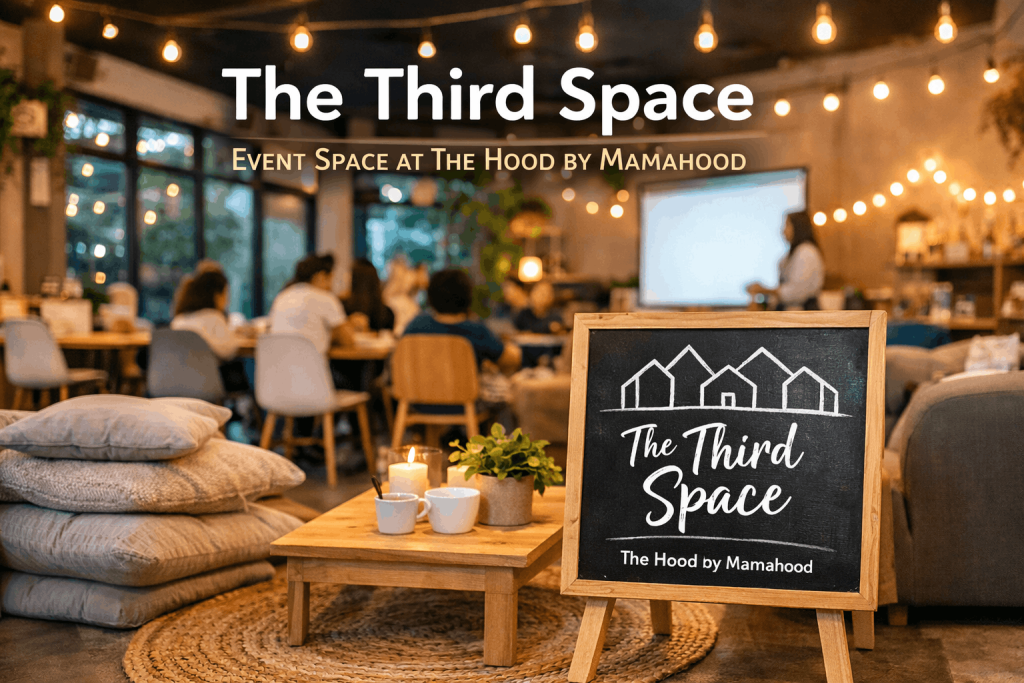
In an era where life is divided between professional responsibilities and personal obligations, people are increasingly searching for environments that provide balance, connection, and creativity. This growing need has led to the revival of the concept known as the third space. A third space is a social environment that exists outside the two primary spaces of home and work. It is a place where individuals can relax, collaborate, socialize, and build meaningful relationships without pressure.
Today, third spaces are transforming communities and redefining how people gather, learn, and celebrate. From cafés and coworking hubs to community centers and flexible venues, the idea has evolved to meet modern lifestyle demands. In particular, the integration of third spaces with versatile venues has given rise to innovative concepts that function as both social hubs and an event space, creating opportunities for deeper engagement and interaction.

Understanding the Concept of Third Space
The idea of third space was introduced by sociologist Ray Oldenburg, who emphasized the importance of informal gathering places for social well-being and community cohesion. Unlike structured environments such as workplaces or private homes, third spaces are neutral territories that encourage openness and inclusivity.
These environments often share several defining characteristics:
-
Accessibility and welcoming atmosphere
-
Encouragement of conversation and interaction
-
Flexibility in use and purpose
-
Community-centered experiences
-
Comfort and informality
Third spaces can take many forms, including libraries, creative studios, lounges, and cultural hubs. However, their primary goal remains consistent: fostering human connection and personal enrichment.
Third Spaces in the Modern Lifestyle
The digital age has reshaped how people communicate and work, yet it has also increased feelings of isolation. Remote work, busy schedules, and urban lifestyles can limit opportunities for genuine social interaction. Third spaces address this gap by offering environments where people can unplug from routine and reconnect with others.
Modern third spaces are particularly valuable for:
-
Freelancers and remote workers seeking collaboration
-
Parents looking for community support
-
Entrepreneurs building networks
-
Creatives searching for inspiration
-
Individuals seeking relaxation and social engagement
As the demand for multi-functional venues grows, many third spaces now double as an event space, enabling workshops, pop-ups, exhibitions, and community gatherings.
The Evolution of Third Spaces into Event Venues
Traditional event venues often focus solely on functionality, lacking warmth or community engagement. In contrast, third spaces provide a more immersive and inclusive environment, making them ideal for hosting gatherings that prioritize connection and experience.
A well-designed event space rooted in the third space philosophy offers:
-
Flexible layouts for various event types
-
Comfortable and aesthetically appealing interiors
-
Opportunities for networking and collaboration
-
Community-driven programming
-
Personalized experiences
These features make third spaces perfect for both professional and personal events, from educational workshops to intimate celebrations.
One notable example of this innovative approach is The Hood by Mamahood, a venue that blends community engagement with versatile functionality. Designed with inclusivity and creativity in mind, it demonstrates how third spaces can evolve into vibrant gathering hubs.
Why Third Spaces Matter for Community Building
Third spaces play a crucial role in strengthening communities. They create environments where individuals can interact organically, exchange ideas, and build trust. Unlike formal venues, third spaces emphasize shared experiences over transactional interactions.
Key benefits include:
1. Social Connection
Third spaces reduce loneliness by providing environments where people can meet and interact naturally. Whether attending a workshop or participating in a casual meetup, individuals find opportunities to expand their social circles.
2. Creativity and Innovation
Creative energy thrives in collaborative environments. Third spaces encourage brainstorming, experimentation, and artistic expression, making them ideal for entrepreneurs and creatives.
3. Mental Well-being
Spending time in welcoming environments outside home and work can significantly improve mental health. Third spaces offer a sense of belonging and emotional support.
4. Knowledge Sharing
Workshops, seminars, and community programs hosted within a third space foster learning and skill development.
Because of these benefits, venues inspired by the third space concept are increasingly being chosen as an event space for meaningful gatherings.
Third Spaces as Lifestyle Destinations
Modern third spaces are no longer limited to casual hangouts. They have become lifestyle destinations offering curated experiences, community programming, and multifunctional design. These environments often host:
-
Parenting workshops
-
Wellness sessions
-
Art exhibitions
-
Networking meetups
-
Small business pop-ups
-
Educational seminars
For instance, The Hood by Mamahood exemplifies this shift by providing a welcoming atmosphere where families, entrepreneurs, and creatives can gather. Its design and programming demonstrate how a third space can also function as a thoughtfully curated event space.

Choosing the Right Third Space for Events
Selecting the right venue is essential for hosting successful gatherings. A third space offers several advantages over traditional venues, but careful consideration is still necessary.
Factors to Consider
Ambiance: The atmosphere should align with the purpose of the event. A relaxed yet inspiring setting encourages engagement.
Flexibility: The ability to adapt layouts and configurations enhances event experiences.
Accessibility: Convenient location and ease of access ensure higher attendance.
Amenities: Technology, seating, lighting, and catering options contribute to event success.
Community Orientation: Venues rooted in community values create more meaningful experiences.
These elements make venues like The Hood by Mamahood particularly appealing as an event space for workshops, celebrations, and collaborative gatherings.
The Role of Third Spaces in Parenting and Family Communities
An emerging trend within third spaces is their role in supporting parents and families. Parenting can be isolating, especially for new mothers and fathers seeking guidance and connection. Third spaces tailored to family needs provide safe, inclusive environments where parents can share experiences, learn, and relax.
Benefits include:
-
Support networks for parents
-
Child-friendly programming
-
Educational sessions
-
Emotional well-being support
-
Opportunities for social interaction
By offering family-centered activities, The Hood by Mamahood highlights how third spaces can nurture both individuals and communities while serving as a versatile event space.
Third Spaces and the Future of Work
The rise of hybrid and remote work has accelerated the need for environments that bridge professional and social interaction. Third spaces provide alternatives to traditional offices, enabling productivity without isolation.
Professionals benefit from:
-
Informal networking opportunities
-
Collaborative work environments
-
Creative inspiration
-
Reduced stress compared to office settings
-
Work-life balance
Many professionals now prefer hosting workshops or team sessions in a third space rather than corporate venues. This trend reinforces the importance of third spaces functioning as an adaptable event space.
How Businesses Benefit from Third Spaces
Businesses are increasingly leveraging third spaces for marketing, networking, and community engagement. Hosting events in such environments allows brands to create authentic connections with audiences.
Advantages include:
-
Enhanced brand visibility
-
Personalized customer experiences
-
Stronger community relationships
-
Opportunities for storytelling and engagement
-
Higher attendee satisfaction
By offering a welcoming and interactive setting, venues like The Hood by Mamahood enable businesses to host impactful events that resonate with attendees.
The Future of Third Spaces
As communities evolve, the demand for third spaces will continue to grow. Future trends include:
-
Hybrid physical-digital experiences
-
Wellness-focused environments
-
Sustainable design and operations
-
Community-driven programming
-
Multi-purpose venue concepts
Third spaces will increasingly become central to urban planning and lifestyle design, shaping how people connect, work, and celebrate.
Conclusion
The concept of third space is more relevant today than ever before. As individuals seek balance, connection, and meaningful experiences beyond home and work, third spaces provide environments that nurture creativity, collaboration, and community. Their evolution into versatile venues has redefined modern gatherings, offering spaces that prioritize interaction and inclusivity.
Whether hosting workshops, networking sessions, or personal celebrations, a thoughtfully designed third space can transform ordinary events into memorable experiences. Venues inspired by this philosophy demonstrate that an event space can be more than just a location—it can be a catalyst for connection and growth.
With community-driven environments such as The Hood by Mamahood, the future of social interaction and gatherings looks promising. By embracing the third space concept, individuals and organizations can create experiences that foster belonging, innovation, and lasting relationships.