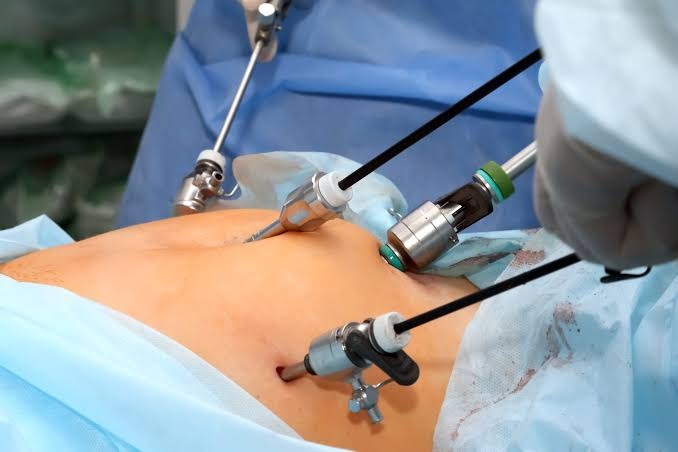
Laparoscopic surgery is a minimally invasive surgical technique used to diagnose and treat various conditions through small incisions rather than one large abdominal opening. Often called keyhole surgery, this approach uses a laparoscope, a thin instrument with a camera and light, to help the surgeon view the treatment area on a monitor. Laparoscopic surgery in Islamabad is commonly considered for several abdominal and pelvic conditions because it can offer smaller incisions and a potentially smoother recovery compared with traditional open surgery.
What Is Laparoscopic Surgery?
During laparoscopic surgery, the surgeon typically makes several small incisions in the abdomen. Carbon dioxide gas may be introduced to create enough space for the surgeon to work safely. The laparoscope is inserted through one incision, while specialized surgical instruments are placed through the others.
The camera provides a magnified view of internal structures, allowing the surgeon to perform the required procedure with controlled movements. Depending on the condition, laparoscopic surgery may be performed for treatment, diagnosis, or both.
Common Types of Laparoscopic Surgery
1. Laparoscopic Gallbladder Surgery
One of the most frequently performed laparoscopic procedures is laparoscopic cholecystectomy, which involves removing the gallbladder. It may be recommended for people with symptomatic gallstones, inflammation of the gallbladder, or certain gallbladder-related complications.
Instead of making a large abdominal incision, the surgeon removes the gallbladder through several small openings. Recovery can vary depending on the patient’s overall health and the complexity of the procedure.
2. Laparoscopic Hernia Repair
Laparoscopic hernia repair is another commonly performed minimally invasive procedure. A hernia occurs when an internal organ or tissue pushes through a weakened area of muscle or connective tissue.
Laparoscopic techniques can be used to repair certain types of abdominal and groin hernias. The surgeon places specialized instruments through small incisions and reinforces the weakened area, often using surgical mesh when appropriate.
3. Laparoscopic Appendectomy
A laparoscopic appendectomy is performed to remove an inflamed or infected appendix, commonly due to appendicitis. The surgeon uses a camera and specialized instruments to locate and remove the appendix through small abdominal incisions.
Early medical assessment is important when appendicitis is suspected because untreated inflammation can lead to serious complications.
4. Laparoscopic Bariatric Surgery
Some weight-loss procedures can be performed laparoscopically. Common examples include sleeve gastrectomy and gastric bypass surgery.
These procedures modify the stomach and, in some cases, the digestive tract to support significant and sustained weight loss. Bariatric surgery is generally considered only after appropriate medical evaluation and when other weight-management approaches have not provided adequate results.
5. Laparoscopic Gynecological Surgery
Laparoscopic techniques are also widely used in gynecology. Depending on the condition, procedures may include ovarian cyst removal, treatment of endometriosis, removal of certain fibroids, or hysterectomy.
The minimally invasive approach may allow surgeons to access pelvic structures without requiring a large abdominal incision. The appropriate procedure depends on the patient’s diagnosis, symptoms, reproductive goals, and overall health.
6. Diagnostic Laparoscopy
Not every laparoscopic procedure is performed to remove or repair something. Diagnostic laparoscopy allows surgeons to directly examine organs and tissues inside the abdomen or pelvis when other diagnostic tests have not provided enough information.
It may help investigate unexplained abdominal or pelvic pain, certain reproductive health concerns, or abnormalities identified through imaging.
7. Laparoscopic Colon and Intestinal Surgery
Certain conditions affecting the colon or intestine may also be treated using laparoscopic techniques. Depending on the diagnosis, surgeons may remove a diseased section of the bowel or perform other necessary repairs.
The suitability of laparoscopic bowel surgery depends on factors such as the condition being treated, previous surgeries, the patient’s health, and the surgeon’s assessment.
How Much Does Laparoscopic Surgery Cost in Islamabad?
The Laparoscopic Surgery Cost in Islamabad may vary depending on the type of procedure, surgical complexity, hospital or clinic facilities, anesthesia, diagnostic tests, and individual patient requirements. The Laparoscopic Surgery Price in Islamabad should therefore be considered an estimate rather than a fixed amount, as the final Minimally Invasive Surgery Cost in Islamabad can differ from one patient to another.
| Laparoscopic Procedure | Estimated Cost (PKR) |
|---|---|
| Diagnostic Laparoscopy | 119,999 – 179,999 PKR |
| Laparoscopic Appendectomy | 149,999 – 249,999 PKR |
| Laparoscopic Cholecystectomy | 179,999 – 349,999 PKR |
| Laparoscopic Hernia Repair | 179,999 – 319,999 PKR |
| Laparoscopic Ovarian Cyst Removal | 179,999 – 319,999 PKR |
| Laparoscopic Hysterectomy | 249,999 – 449,999+ PKR |
Factors Affecting the Cost of Laparoscopic Surgery in Islamabad
Several factors can influence the overall cost of laparoscopic surgical techniques. These may include the following:
| Cost Factor | Cost Factor | Cost Factor |
|---|---|---|
| Type of laparoscopic procedure | Complexity of the procedure | Anesthesia requirements |
| Patient’s individual needs | Pre-operative laboratory tests | Aftercare and follow-up |
| Facility and hospital amenities | Customized treatment plan | Additional medical services |
Benefits of Laparoscopic Surgery
The potential benefits of laparoscopic surgery include smaller incisions, less disruption to surrounding tissues, reduced scarring, and potentially shorter hospital stays for suitable procedures. Many patients may also return to normal activities sooner than they would after certain open procedures.
However, laparoscopic surgery is not automatically the best option for everyone. The benefits and risks should be evaluated according to the specific condition and procedure.
Is Laparoscopic Surgery Suitable for Everyone?
Not every patient or condition is suitable for laparoscopic treatment. Previous abdominal surgeries, extensive inflammation, certain medical conditions, the complexity of the disease, and unexpected findings during surgery can influence the surgical approach.
A qualified surgeon can assess your medical history, symptoms, diagnostic results, and overall health before recommending laparoscopic or open surgery.
Recovery After Laparoscopic Surgery
Recovery depends on the type of laparoscopic procedure performed. Some patients can return home relatively soon after uncomplicated surgery, while others may require a longer period of observation or hospitalization.
During recovery, patients should follow their surgeon’s instructions regarding wound care, medication, physical activity, diet, and follow-up appointments. Severe pain, persistent vomiting, fever, increasing redness or swelling around an incision, or other concerning symptoms should be reported to the healthcare team promptly.
FAQs
What is the most common type of laparoscopic surgery?
Laparoscopic gallbladder removal is among the most commonly performed laparoscopic procedures. Other common procedures include hernia repair and appendectomy.
Does laparoscopic surgery leave scars?
Laparoscopic surgery generally involves several small incisions, so the resulting scars are usually smaller than those associated with traditional open surgery.
How long does laparoscopic surgery take?
The duration varies according to the procedure and the patient’s condition. Some procedures may be relatively short, while more complex operations can take longer.
Is laparoscopic surgery safer than open surgery?
Laparoscopic surgery can offer important benefits for appropriately selected patients, but every surgical procedure carries potential risks. Your surgeon can explain which approach is most suitable for your individual condition.
How quickly can I return to normal activities?
Recovery varies according to the procedure, overall health, and individual healing. Your surgeon will provide specific guidance about work, exercise, lifting, and other activities.
Final Thoughts
Choosing the right healthcare provider is an important part of planning laparoscopic treatment. Patients should consider the surgeon’s experience, available facilities, surgical approach, and personalized treatment plan rather than focusing on a single factor. SKN Cosmetics provides laparoscopic surgery services in Islamabad with a patient-focused approach, aiming to support individuals throughout consultation, treatment, and recovery. Every procedure is planned according to the patient’s condition and medical requirements. If you are considering laparoscopic surgery in Islamabad, consult with a qualified surgical team to understand your treatment options and determine the most appropriate approach for your healthcare needs.