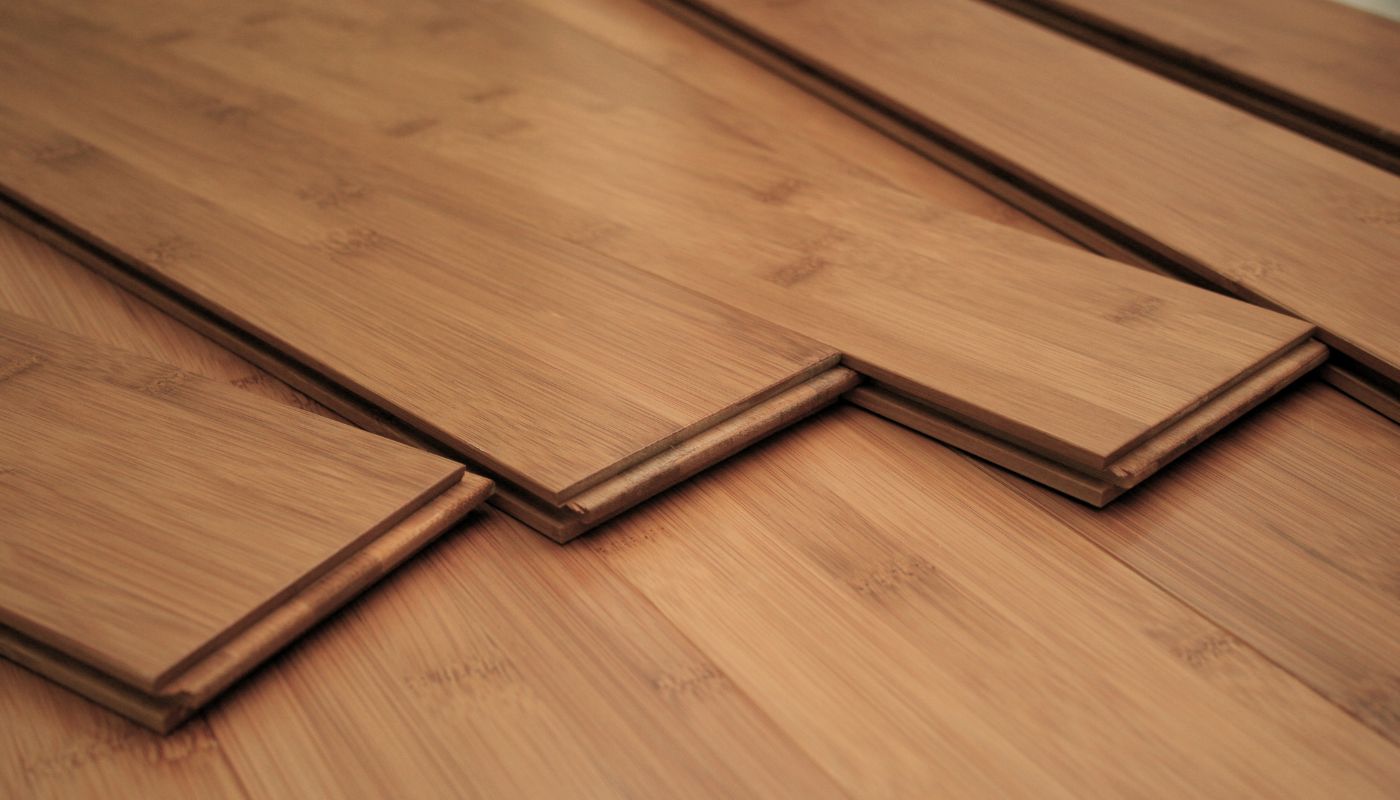
Hardwood floors tell the story of a home. Every scratch near a doorway, faded section under a sunny window, or dent beneath a dining chair reflects years of daily life. But not every damaged floor needs to be completely sanded and refinished. In many homes, targeted spot repairs deliver better results, lower costs, and less disruption than a full refinishing project.
For homeowners considering hardwood repairs in Portland ME, understanding when spot repairs make sense can save time, protect the integrity of the flooring, and extend the lifespan of the wood without unnecessary work. D&T Hardwood Floors has seen many situations where a localized repair provided a cleaner, faster, and more practical solution than refinishing the entire surface.
This guide explains when spot repairs outperform full refinishing, what types of damage can be repaired effectively, and how professional hardwood specialists evaluate the best option for long-term performance.
Understanding the Difference Between Spot Repairs and Full Refinishing
Before deciding on a repair strategy, it helps to understand what each process involves.
What Are Spot Repairs?
Spot repairs focus on isolated areas of damage rather than the entire floor. These repairs may include:
- Replacing individual boards
- Fixing scratches or gouges
- Repairing water-damaged sections
- Blending stains or finish inconsistencies
- Filling cracks or gaps
- Addressing pet damage or furniture dents
The goal is to restore the damaged area while preserving the surrounding flooring.
What Is Full Refinishing?
Full refinishing involves sanding the entire hardwood floor down to bare wood and applying new stain and protective finish throughout the space. This process is typically recommended when:
- Damage is widespread
- Floors have severe wear patterns
- Multiple rooms show discoloration
- Previous finishes are failing
- The homeowner wants a complete color change
While refinishing can completely transform old flooring, it is more labor-intensive and costly than localized repairs.
When Spot Repairs Are the Better Choice
Not every floor requires a full reset. In many situations, targeted hardwood repairs provide a more efficient and affordable solution.
Minor Damage in Isolated Areas
One of the most common reasons homeowners choose hardwood repairs in Portland ME is localized wear.
High-Traffic Entryways
Mudrooms, front entrances, and kitchen pathways often experience concentrated damage while the rest of the floor remains in excellent condition. In these cases, repairing only the affected boards prevents unnecessary sanding across the entire home.
Furniture and Appliance Damage
Heavy furniture legs, refrigerators, or dropped objects can create dents and gouges in specific spots. If the surrounding finish remains intact, a spot repair can restore the damaged section without altering the rest of the floor.
This approach is especially valuable for homeowners with newer hardwood installations who want to preserve the original finish as long as possible.
Water Damage Limited to Small Sections
Water damage does not always require complete refinishing.
Localized Moisture Problems
Small leaks from dishwashers, sinks, or pet water bowls may affect only a few boards. When addressed quickly, professionals can often remove and replace those boards while blending the finish into nearby flooring.
In Portland’s climate, seasonal moisture changes can occasionally contribute to isolated floor issues near windows or exterior doors. A reliable flooring contractor can determine whether the damage is structural or cosmetic before recommending repairs.
Preventing Further Expansion
Fast spot repairs help stop moisture damage from spreading beneath surrounding boards. Replacing a few affected planks early is often far more cost-effective than waiting until an entire room requires refinishing or subfloor repairs.
Matching Existing Hardwood Successfully
Modern repair techniques have significantly improved stain and finish blending.
Advanced Color Matching
Experienced flooring professionals use cutting-edge stain blending methods to match existing tones closely. This is particularly important in older Portland homes where original hardwood species may no longer be readily available.
Well-experienced contractors understand how wood ages over time and can account for:
- Sun fading
- Finish ambering
- Natural oxidation
- Existing wear patterns
A top-rated hardwood flooring specialist can often make spot repairs nearly invisible to the average homeowner.
Preserving Historic Character
Many older homes in Portland feature original hardwood flooring with unique grain patterns and historical character. Full refinishing may remove part of that aged appearance, while targeted repairs preserve the floor’s authenticity.
For homeowners who value architectural preservation, spot repairs are often the preferred solution.
When Full Refinishing Is Not Cost-Effective
Budget considerations matter for many homeowners.
Lower Labor and Material Costs
Spot repairs generally require:
- Less sanding
- Fewer materials
- Reduced labor hours
- Shorter project timelines
This makes them an affordable option when only a small percentage of the flooring is damaged.
Less Disruption to Daily Life
Full refinishing projects can disrupt household routines for several days due to sanding, dust management, and finish curing times. Spot repairs are usually completed faster with minimal interruption.
For busy families, pet owners, or homeowners working remotely, this convenience can make a major difference.
Real-World Example: Repair Instead of Refinish
A homeowner in Portland recently contacted D&T Hardwood Floors after discovering water damage beneath a leaking plant stand near a living room window. About six boards had darkened and warped slightly, while the remaining floor looked excellent.
Another contractor recommended refinishing the entire first floor. However, the team at D&T Hardwood Floors determined the damage was isolated enough for a targeted repair.
The damaged planks were carefully removed, replaced with matching hardwood, sanded locally, and blended using a custom stain mix. After sealing and feathering the finish into the surrounding floor, the repaired section matched seamlessly.
The homeowner avoided unnecessary refinishing costs and preserved the original finish across the rest of the home.
Situations Where Spot Repairs May Not Work
While spot repairs are highly effective in many cases, they are not always the right solution.
Extensive Wear Across Large Areas
If scratches, fading, and finish deterioration affect most of the floor, spot repairs can create uneven appearance differences between repaired and unrepaired sections.
In these situations, full refinishing usually delivers more consistent results.
Repeated Previous Repairs
Floors that have already undergone multiple localized repairs may become difficult to blend effectively over time. Patchwork appearance issues can develop if too many isolated sections have different aging characteristics.
Deep Structural Damage
When water damage extends beneath the hardwood into the subfloor, larger-scale restoration may be necessary. A trusted flooring contractor should inspect the structural integrity before recommending cosmetic repairs alone.
Best Practices for Long-Lasting Spot Repairs
High-performance spot repairs depend heavily on proper techniques and materials.
Use Matching Wood Species
Using incorrect wood species can create visible texture and grain inconsistencies. Industry-leading contractors carefully source compatible replacement boards whenever possible.
Blend Finishes Carefully
Successful repairs require feathering finishes into surrounding areas naturally. This process demands skill and patience to avoid obvious transitions.
Address Moisture Sources First
Repairing damaged boards without fixing the underlying moisture issue often leads to recurring problems. Reliable flooring professionals always identify the root cause before beginning cosmetic work.
Protect Adjacent Flooring
Professional contractors use dust containment systems and precision tools to minimize impact on surrounding flooring during repairs.
Why Professional Assessment Matters
Many homeowners struggle to determine whether spot repairs or full refinishing makes more sense. An experienced flooring specialist evaluates several factors:
- Age of the floor
- Depth of damage
- Existing finish condition
- Wood species
- Repair visibility
- Budget considerations
- Long-term durability goals
A results-driven contractor focuses on recommending the most practical solution rather than automatically suggesting the larger project.
For hardwood repairs in Portland ME, working with a proven local flooring company ensures repairs are tailored to the region’s climate conditions, home styles, and flooring materials commonly found throughout the area.
How Preventive Maintenance Reduces Future Repairs
One of the best ways to avoid major refinishing projects is through proactive floor care.
Use Protective Pads
Furniture pads reduce scratches and dents from heavy items.
Clean Floors Properly
Using user-friendly hardwood-safe cleaning products helps preserve protective finishes without damaging the wood surface.
Control Indoor Humidity
Portland’s seasonal humidity shifts can cause expansion and contraction in hardwood flooring. Maintaining stable indoor humidity levels helps minimize gaps and warping.
Recoat Before Severe Wear Develops
Periodic recoating adds protective layers before deep wear reaches the wood itself. This scalable maintenance strategy extends the life of hardwood floors significantly.
Choosing the Right Flooring Partner
Not all flooring contractors specialize in precision spot repairs. Homeowners should look for companies with:
- Proven hardwood restoration experience
- Strong stain-matching capabilities
- Knowledge of older hardwood species
- Reliable customer reviews
- Transparent repair recommendations
- High-quality finishing products
D&T Hardwood Floors provides tailored hardwood repair solutions designed to preserve the beauty and durability of wood flooring while avoiding unnecessary refinishing whenever possible.
Conclusion
Spot repairs can often deliver smarter, faster, and more affordable results than full refinishing. When damage is isolated, professionally executed repairs preserve original flooring, minimize disruption, and maintain the character of the home.
For homeowners exploring hardwood repairs in Portland ME, the key is accurate evaluation. Some floors genuinely need complete refinishing, while others benefit far more from targeted restoration techniques that protect both the flooring and the homeowner’s investment.
Choosing a well-experienced hardwood flooring specialist ensures the right approach is taken from the beginning, helping homeowners achieve long-lasting results without unnecessary expense or downtime.
Leave a Reply