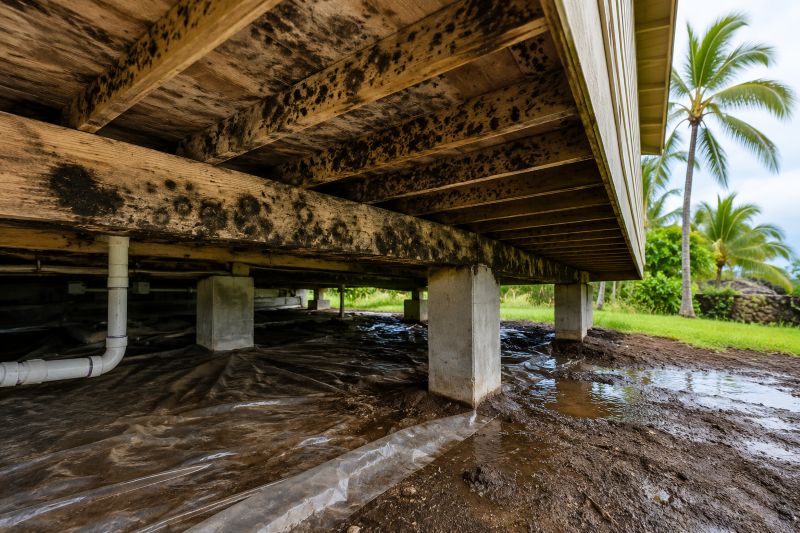
In tropical regions like Kaua’i, homeowners often focus on visible storm damage, roofing concerns, and salt-air corrosion. Yet one of the most serious threats to a home develops quietly beneath the floorboards. Crawlspaces in humid coastal climates create the perfect environment for mold growth, moisture buildup, wood decay, and unhealthy indoor air conditions. Without proper protection, these hidden spaces can become a long-term structural and health hazard.
For homeowners seeking Mold Removal in Kaua’i HI, understanding the relationship between tropical moisture and crawlspace conditions is essential. The warm temperatures, elevated humidity levels, frequent rainfall, and limited ventilation common across Hawaiian homes make crawlspaces especially vulnerable to mold infestations. What begins as damp air under a house can quickly spread into insulation, support beams, flooring systems, and interior living spaces.
Eco Kauai Services has worked with property owners facing these exact conditions. Their experience in tropical moisture management and mold remediation highlights why crawlspaces require specialized protection methods that differ from mainland approaches.
Why Tropical Climates Create Serious Crawlspace Mold Risks
Tropical environments are naturally humid year-round. Unlike colder regions where seasonal freezing limits microbial growth, Kaua’i maintains warm temperatures and moisture levels that allow mold spores to thrive continuously.
Constant Humidity Feeds Mold Growth
Mold requires three things to grow:
- Moisture
- Organic material
- Warm temperatures
Crawlspaces provide all three. Wooden beams, subflooring, insulation paper, and dust particles become food sources once humidity levels rise above safe thresholds.
In Kaua’i, outdoor humidity frequently exceeds 70%. When humid air enters a poorly sealed crawlspace, condensation forms on cooler surfaces beneath the home. Over time, this trapped moisture creates ideal breeding conditions for mold colonies.
Heavy Rainfall Saturates the Ground
Tropical storms and consistent rainfall contribute additional moisture beneath homes. Water vapor rises from damp soil into crawlspaces, especially when vapor barriers are missing or damaged.
Even homes without visible flooding may experience persistent ground moisture problems. Over months and years, this creates an ongoing cycle of dampness that standard ventilation systems often cannot control effectively.
Salt Air Accelerates Material Deterioration
Coastal homes in Kaua’i also face salt exposure. Salt-laden air can weaken building materials and increase moisture retention in crawlspaces. This combination makes tropical mold prevention more complex than in inland climates.
The Hidden Dangers of Crawlspace Mold
Many homeowners assume mold is only dangerous when visible inside kitchens, bathrooms, or walls. In reality, crawlspace contamination often affects the entire home.
Poor Indoor Air Quality
Air naturally rises from crawlspaces into living areas through a process called the stack effect. This means mold spores, odors, and airborne contaminants from beneath the home can circulate throughout bedrooms, hallways, and common areas.
Residents may experience:
- Persistent musty odors
- Allergy symptoms
- Respiratory irritation
- Increased asthma triggers
- Chronic coughing or sinus discomfort
Children, seniors, and individuals with respiratory conditions are particularly vulnerable.
Structural Damage to the Home
Moisture trapped beneath a home gradually damages structural components. Wood rot, weakened joists, deteriorating insulation, and corroded fasteners can all result from long-term mold exposure.
In severe cases, homeowners face expensive structural repairs that could have been prevented with early moisture control and professional mold protection systems.
Pest Infestations
Damp crawlspaces also attract pests such as termites, cockroaches, and rodents. Termites are especially destructive in tropical climates because moisture-softened wood becomes easier to invade.
When mold and pest issues combine, repair costs can escalate rapidly.
Why Standard Mold Prevention Often Fails in Tropical Homes
Many traditional crawlspace systems used on the mainland are not designed for Hawaiian conditions. Tropical climates require more advanced and climate-specific solutions.
Ventilated Crawlspaces Can Increase Humidity
Older building practices often recommended venting crawlspaces to improve airflow. In tropical regions, however, open vents frequently make moisture problems worse.
Warm, humid outdoor air enters the crawlspace and condenses when it contacts cooler surfaces beneath the home. Instead of drying the area, ventilation can continuously introduce additional moisture.
This is why modern tropical mold prevention increasingly focuses on sealed and controlled crawlspace systems.
Inadequate Vapor Barriers Leave Homes Exposed
Thin plastic sheeting placed over soil is often insufficient in high-moisture environments. Damaged or poorly installed barriers allow groundwater vapor to enter continuously.
Professional-grade vapor barriers designed for tropical climates provide thicker, more durable protection and better long-term moisture control.
DIY Treatments Rarely Solve Root Causes
Spraying bleach or over-the-counter mold cleaners may temporarily remove visible growth, but these methods usually fail to address the underlying moisture problem.
Without controlling humidity and preventing water intrusion, mold typically returns within weeks or months.
Essential Crawlspace Mold Protection Strategies
Effective tropical crawlspace protection involves a combination of moisture management, air control, and professional remediation techniques.
Crawlspace Encapsulation
Encapsulation seals the crawlspace from outside moisture and humid air. This process often includes:
- Heavy-duty vapor barriers
- Sealed foundation vents
- Moisture-resistant insulation
- Air sealing around entry points
- Controlled humidity systems
Encapsulation creates a stable environment beneath the home and significantly reduces mold risk.
Dehumidification Systems
Industry-leading crawlspace dehumidifiers help maintain safe humidity levels year-round. In tropical climates, these systems are often necessary even after encapsulation.
Reliable humidity control prevents condensation and reduces airborne moisture that feeds mold growth.
Professional Mold Remediation
When mold contamination already exists, professional remediation is essential. Proper remediation involves:
- Identifying moisture sources
- Safely removing contaminated materials
- HEPA filtration and containment
- Antimicrobial treatment
- Structural drying
- Preventive recommendations
Trusted professionals use specialized equipment and proven remediation protocols designed for tropical environments.
Drainage Improvements
Groundwater management is another critical factor. Solutions may include:
- French drains
- Sump pump installation
- Exterior grading adjustments
- Gutter and downspout improvements
Reducing water accumulation around the home helps minimize moisture entering the crawlspace.
Signs Your Crawlspace May Have Mold Problems
Because crawlspaces are hidden, many issues go unnoticed until significant damage develops. Homeowners should watch for warning signs that indicate possible contamination beneath the home.
Persistent Musty Odors
A damp, earthy smell inside the home often points to microbial growth below the flooring system.
Soft or Warped Floors
Excess moisture can weaken wooden subfloors and create uneven flooring.
Increased Allergy Symptoms Indoors
If symptoms improve when leaving the house, indoor mold exposure may be contributing to respiratory irritation.
Visible Moisture or Condensation
Standing water, damp insulation, or condensation on pipes and beams are indicators of excessive humidity.
Pest Activity
Frequent termite sightings or rodent activity may signal an overly damp crawlspace environment.
A Real-World Example from Kaua’i
One Kaua’i homeowner noticed persistent odors and worsening allergies despite cleaning the interior regularly. After a professional crawlspace inspection, extensive mold growth was discovered beneath the home.
Years of trapped humidity had saturated insulation and damaged floor joists. The home also lacked an effective vapor barrier, allowing continuous ground moisture intrusion.
The remediation process included:
- Removing contaminated materials
- Installing a reinforced vapor barrier
- Encapsulating the crawlspace
- Adding a high-performance dehumidification system
- Treating affected structural wood
Within weeks, indoor air quality improved noticeably, odors disappeared, and humidity levels stabilized. More importantly, the homeowner avoided major structural reconstruction costs by addressing the problem before irreversible damage occurred.
Why Professional Expertise Matters in Tropical Mold Removal
Tropical mold remediation requires specialized experience. Contractors unfamiliar with island climates may apply methods that work poorly in humid coastal environments.
Professional teams experienced in Mold Removal in Kaua’i HI understand how local weather patterns, rainfall exposure, salt air, and construction styles affect moisture behavior beneath homes.
Top-rated providers also recognize the importance of long-term prevention rather than temporary surface cleaning. Effective mold protection combines remediation with moisture management strategies tailored to the property’s specific conditions.
Eco Kauai Services uses reliable and results-driven approaches designed specifically for tropical environments. Their well-experienced team understands the unique challenges homeowners face across Kaua’i and provides scalable solutions that support healthier indoor living conditions.
Long-Term Benefits of Crawlspace Mold Protection
Investing in crawlspace protection offers significant long-term advantages for homeowners.
Improved Indoor Air Quality
Cleaner crawlspaces contribute to healthier breathing environments throughout the home.
Reduced Energy Costs
Sealed and conditioned crawlspaces help HVAC systems operate more efficiently.
Better Structural Integrity
Controlling moisture protects wooden framing and flooring systems from deterioration.
Higher Property Value
Homes with documented mold prevention systems and moisture control measures are often more attractive to buyers.
Lower Future Repair Expenses
Preventive protection costs far less than large-scale structural restoration or repeated mold remediation.
Conclusion
Tropical homes face environmental conditions that make crawlspace mold protection far more important than many homeowners realize. Constant humidity, heavy rainfall, damp soil, and salt exposure create ideal conditions for hidden mold growth beneath homes across Kaua’i.
Ignoring crawlspace moisture can lead to serious indoor air quality concerns, structural damage, pest problems, and costly repairs. Fortunately, modern encapsulation systems, dehumidification technology, drainage improvements, and professional remediation services provide effective long-term solutions.
For homeowners seeking dependable Mold Removal in Kaua’i HI, partnering with an experienced local company is essential. Eco Kauai Services provides trusted expertise tailored to tropical environments, helping homeowners protect both their property and their health from the ongoing risks of crawlspace mold contamination.
Leave a Reply