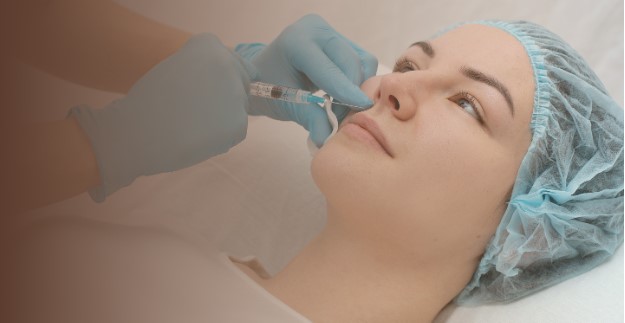
Dermal fillers are a popular choice for enhancing facial volume, smoothing wrinkles, and improving overall facial symmetry. However, not every filler result meets a patient’s expectations. Whether due to an overfilled look, asymmetry, migration, or complications such as lumps or vascular compromise, many people consider using a filler dissolver to reverse the effects. One of the most common questions patients ask is: How long does a filler dissolver take to show results? Understanding the timeline and factors involved can help set realistic expectations and ensure safer outcomes.
What Is a Filler Dissolver?
A filler dissolver is a treatment used to break down hyaluronic acid (HA) fillers. The most commonly used dissolver is hyaluronidase, an enzyme that accelerates the breakdown of HA molecules. Since HA fillers are designed to be long-lasting but not permanent, hyaluronidase can quickly reverse their effects. It is widely used in aesthetic medicine for correcting undesirable outcomes and managing complications.

Immediate Effects vs. Full Results
The timeline for seeing results after a filler dissolver injection varies depending on several factors. Generally, patients may notice some changes within a few hours, but full results typically appear within 24 to 48 hours. In some cases, it can take up to a week for the final outcome to become fully visible.
What Happens Right After Treatment?
Immediately after injection, many patients experience swelling and mild bruising at the injection site. These effects can temporarily mask the true outcome. The dissolver begins working almost instantly, but the body needs time to metabolize the broken-down filler and clear it through natural processes.
The 24 to 48-Hour Window
Most clinicians report that significant reduction of the filler is noticeable within 24 to 48 hours. At this point, swelling begins to subside, and the area starts to return to its natural shape. This timeframe is the most reliable for assessing how much filler has been dissolved and whether additional treatment is needed.
Factors That Affect the Dissolving Timeline
Type and Amount of Filler
Different HA fillers have varying densities and cross-linking levels, which influence how resistant they are to hyaluronidase. For example, thicker fillers used for cheek augmentation may take longer to dissolve compared to softer fillers used in the lips.
Time Since Initial Filler Injection
The longer the filler has been in place, the more integrated it becomes with surrounding tissues. Older fillers may take longer to dissolve, especially if they have been placed deeply or in large amounts.

Location of the Filler
Areas with higher blood flow, such as the lips, often show faster results because the body can metabolize dissolved filler more quickly. In contrast, fillers in areas like the cheeks or under the eyes may take longer to show full improvement.
Individual Metabolism and Enzyme Activity
Each person’s body responds differently. Factors such as metabolism, age, and overall health can affect how quickly the dissolved filler is processed and eliminated.
How Many Sessions Are Typically Needed?
Many patients achieve desired results after a single session, but sometimes a second treatment is required. If a large amount of filler was used or if the initial filler has been in place for a long time, a follow-up appointment may be scheduled one to two weeks later. This allows the clinician to evaluate the results and address any remaining filler.
Safety and Side Effects
While hyaluronidase is generally safe, it is important to have the treatment performed by a licensed and experienced professional. Common side effects include temporary swelling, redness, and bruising. Allergic reactions are rare but possible, and some patients may require an allergy test before treatment.
It’s also important to understand that dissolving filler does not reverse skin aging or restore lost collagen. It simply removes the injected HA material.
When to Seek Immediate Help
In rare cases, filler complications such as vascular occlusion can occur. This is a serious condition where filler blocks blood flow to a tissue area. Symptoms include severe pain, blanching, or discoloration. If this occurs, immediate medical attention is essential, and a filler dissolver may be used as part of emergency treatment.
Conclusion
A filler dissolver can provide a rapid and effective way to correct unsatisfactory filler results, with noticeable changes often appearing within hours and full results typically visible within 24 to 48 hours. However, individual factors such as filler type, location, and how long the filler has been in place can affect the timeline. Consulting with a qualified provider is essential to ensure safe and predictable outcomes. If you’re considering aesthetic treatments or correction options, it’s also helpful to explore other services like Chemical peels in Houston for skin rejuvenation and complexion improvement.