Managing waste efficiently has become a major priority for industries across manufacturing, retail, logistics, and hospitality. As waste volumes continue to increase, businesses are looking for smarter ways to reduce space usage and improve handling processes. One of the most effective solutions in modern waste management systems is the industrial compactor, designed to compress large volumes of waste into smaller, more manageable forms.
At the core of modern waste handling strategies, the compactor plays a key role in improving operational efficiency while reducing transportation and storage costs. Its ability to handle bulky waste materials makes it an essential tool in large-scale facilities.
What Is an Industrial Compactor?
A compactor is a heavy-duty machine used to compress waste materials such as cardboard, plastics, packaging waste, and general refuse into compact, dense units. This significantly reduces the space required for storage and disposal.
The use of an industrial compactor is especially common in environments where waste generation is continuous and high in volume. By reducing waste size at the source, businesses can streamline their waste management processes and maintain cleaner, safer working environments.
Unlike manual waste handling, compactors use hydraulic pressure to compress materials, ensuring consistency and efficiency in every cycle.
How do these compactors work?
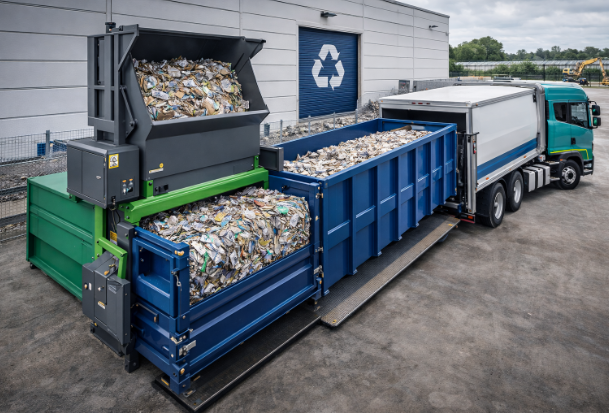
The working mechanism of a compactor is relatively straightforward but highly effective. Waste is loaded into a chamber where a hydraulic ram applies strong pressure to compress the material. Once compacted, the waste is stored in a container for later disposal or recycling.
A properly used industrial compactor helps reduce the frequency of waste collection, which directly lowers transportation costs and carbon emissions associated with waste hauling.
These machines are designed to operate continuously or in cycles, depending on the facility’s requirements, making them suitable for both small warehouses and large industrial plants.
Key Benefits of Using Compactors
One of the biggest advantages of using a compactor is space optimisation. By reducing waste volume, businesses can free up valuable floor space for more productive activities.
Another major benefit of the industrial compactor is cost reduction. Fewer waste pickups mean lower transportation and disposal fees over time. This makes it a cost-effective investment for businesses generating large amounts of waste.
In addition, compactors improve workplace hygiene by reducing overflowing bins and minimising exposure to waste materials. This helps maintain a safer and more organised working environment.
Environmental benefits are also significant. By compacting waste more efficiently, businesses can reduce their overall environmental footprint and improve sustainability practices.
Types of Compactors
There are several types of compactors designed to suit different industrial needs. These include vertical, horizontal, and stationary compactors.
Vertical compactors are commonly used in smaller spaces where floor area is limited. Horizontal compactors are ideal for high-volume waste generation, while stationary compactors are typically used in large industrial facilities.
Choosing the right industrial compactor depends on factors such as waste type, volume, and available space. Each type offers specific advantages that cater to different operational requirements.
Maintenance and Operational Considerations
To ensure long-term performance, regular maintenance is essential. This includes checking hydraulic systems, inspecting seals, and ensuring the machine operates within safe pressure limits.
Proper training is also important for staff operating a compactor. Safe usage not only extends the lifespan of the equipment but also reduces the risk of workplace accidents.
Additionally, businesses should ensure that waste is properly sorted before compaction to maximise efficiency and support recycling efforts.
Environmental and Business Impact
In modern industries, sustainability is no longer optional. Companies are expected to adopt systems that reduce waste and support environmentally responsible practices.
The use of a compactor contributes significantly to this goal by minimising landfill contributions and improving waste segregation processes. It also supports compliance with environmental regulations in many regions.
By improving waste efficiency, businesses can enhance their reputation while also reducing operational costs.
Conclusion
Efficient waste management is essential for modern industrial operations, and compacting systems play a major role in achieving this goal. Adopting recycling solutions helps businesses further enhance sustainability efforts while ensuring long-term environmental responsibility.