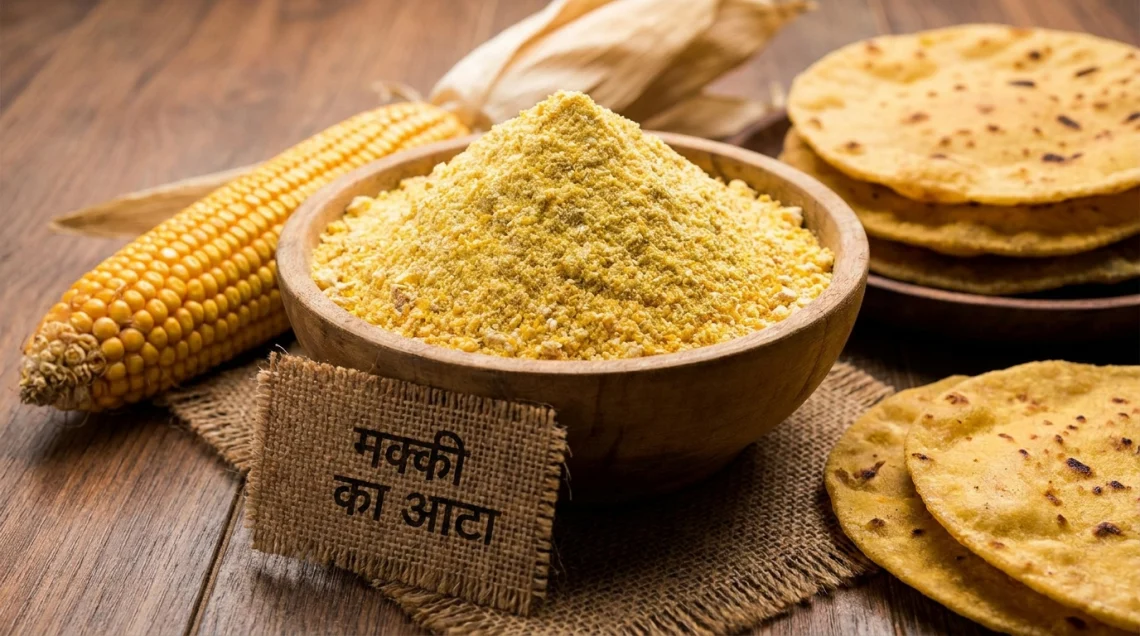
Winters in North India are incomplete without the smell of hot makki ki roti sizzling on a tawa, paired with a dollop of white butter and a bowl of sarson ka saag. At the heart of this beloved dish is makki ka atta — a coarse, golden-yellow flour ground from dried maize kernels that has been a staple in Indian kitchens for generations.
But this humble corn flour is far more than a seasonal indulgence. It’s a naturally gluten-free, fibre-rich flour with a growing fan base among health-conscious cooks, people managing diabetes, and anyone looking to diversify their diet beyond wheat. In this guide, we’ll walk through what makki ka atta actually is, its nutritional profile, health benefits, how it’s traditionally made, the best ways to cook with it, and how to pick a good quality pack when you’re buying it.
What Is Makki Ka Atta?
Makki ka atta is the Hindi term for corn flour or maize flour — “makki” meaning corn/maize and “atta” meaning flour. It is made by grinding whole dried corn kernels into a fine to medium-coarse powder. Unlike cornstarch (which is a refined starch extract used mainly as a thickening agent), this whole-grain flour retains its fibre, protein, and natural oils, giving it a distinct earthy flavour and grainy texture.

There are two common ways this corn flour is produced:
- Stone-ground (chakki-ground): Corn kernels are milled slowly between traditional stone wheels. This method keeps the flour’s temperature low during grinding, preserving natural aroma, colour, and nutrients.
- Machine/roller milled: A faster, industrial process that can generate heat and sometimes strips away part of the germ and bran, resulting in a milder flavour and finer texture but comparatively lower nutrient retention.
If you’ve ever noticed that homemade or freshly milled corn flour smells sweeter and tastes richer than a packet bought off a supermarket shelf, the milling method and freshness are usually the reason.
Nutritional Profile of Makki Ka Atta
Per 100 grams, this stone-ground corn flour typically provides approximately:
- Energy: ~400–410 kcal
- Protein: ~8–9 g
- Carbohydrates: ~78–80 g
- Dietary Fibre: ~7 g
- Total Fat: ~4–4.5 g
- Saturated Fat: under 1 g
- Sodium: negligible (a few mg)
- Cholesterol: virtually 0
This makes it a calorie-dense, fibre-forward flour, particularly useful for anyone looking to add roughage to their diet without relying solely on wheat-based foods. It’s also a source of essential micronutrients like magnesium, phosphorus, and B-vitamins, along with plant compounds such as lutein and zeaxanthin, which are known to support eye health.
Health Benefits of Makki Ka Atta
1. Naturally Gluten-Free
Since it’s made purely from maize, this flour is inherently free of gluten, making it a safe and versatile option for people with celiac disease or gluten sensitivity. It can replace wheat flour in several recipes, though it’s often blended with other gluten-free flours for better binding in baked goods.
2. Rich in Dietary Fibre
The fibre content in this corn flour supports digestive health, helps regulate bowel movements, and contributes to a feeling of fullness after meals — useful for those watching portion sizes or managing weight.
3. Suitable for Blood Sugar-Conscious Diets
Whole maize flour has a lower glycemic impact compared to refined flours because the fibre slows down carbohydrate digestion. While it should still be consumed in moderation as part of a balanced diet, this flour is often searched for by people exploring the maize flour glycemic index and looking for less processed carbohydrate sources.
4. Supports Heart Health
Corn flour contains unsaturated fats and plant sterols that may help support healthy cholesterol levels when used as part of an overall balanced diet, replacing more refined, low-fibre flour options.
5. Good Source of Antioxidants
Maize is naturally rich in carotenoids, including lutein and zeaxanthin, which act as antioxidants and are associated with protecting eye health over the long term.
6. Energy-Dense for Active Lifestyles
With a high carbohydrate and moderate protein content, this flour can be a good energy source for people with physically active routines, especially during colder months when heartier, warming foods are preferred.
How Is Pure Makki Ka Atta Made?
Understanding the production process helps you judge the quality of the flour you’re buying:
- Grain Selection: Good quality corn flour starts with clean, mature, disease-free maize kernels.
- Cleaning and Drying: The corn is cleaned to remove husk, dust, and foreign matter, then sun-dried or dried to an optimal moisture level.
- Stone Grinding: Traditional chakkis grind the kernels slowly at low speed, minimising heat generation and preserving the natural aroma, colour, and nutrient content of the flour.
- Sieving: The ground flour is sieved to achieve the desired coarseness — some prefer a finer texture for rotis, while a coarser grind works well for certain traditional preparations.
- Packaging: Freshly milled flour is packed quickly to lock in freshness, ideally without any added preservatives, chemicals, or artificial colouring agents.
Freshly stone-ground corn flour, milled only after an order is placed, tends to have a noticeably better aroma and taste compared to flour that has been sitting in storage or on retail shelves for weeks.
Popular Dishes Made with Makki Ka Atta
This flour’s coarse texture and slightly sweet, earthy flavour make it ideal for a range of traditional and modern recipes:
- Makki Ki Roti: The most iconic use — a thick, hand-patted flatbread traditionally paired with sarson ka saag and a generous dollop of butter or ghee.
- Makki Ki Bhakri: A Maharashtrian and Rajasthani variant of corn flatbread, often enjoyed with curd, pickle, or spicy chutney.
- Corn Tortillas and Flatbreads: This corn flour works well in Mexican-style tortillas and other global corn-based flatbreads.
- Gluten-Free Baking: It can be blended with other gluten-free flours to make cornbread, muffins, or savoury baked snacks.
- Thickening Agent: A small quantity can be used to thicken soups, gravies, and porridges, lending a subtle corn flavour.
- Homemade Flour Blends: Many households mix makki ka atta with wheat, bajra, or jowar flour for multigrain rotis with added texture and nutrition.
Tips for Cooking with Makki Ka Atta
Because this flour lacks gluten, it doesn’t bind as easily as wheat flour, which can make rolling the dough a bit tricky for beginners. A few tips that help:
- Use warm water while kneading, as it helps bind the coarse flour particles together better than cold water.
- Knead in small batches and use immediately, since the dough tends to dry out and crack quickly.
- Pat instead of roll: Traditionally, makki ki roti is patted by hand between both palms or on a plastic sheet rather than rolled with a rolling pin, since the dough can crumble easily.
- Cook on a well-heated tawa and use a little ghee or oil while cooking to prevent the roti from breaking.
- Add a small amount of wheat flour or boiled potato to the dough if you’re a beginner, as this improves elasticity and makes rolling easier.
How to Choose Good Quality Makki Ka Atta
With so many packaged options available, here’s what to look for when buying this corn flour:
- Stone-Ground Over Machine-Milled: Stone grinding preserves more of the natural nutrients, aroma, and flavour compared to high-speed industrial milling.
- No Preservatives or Additives: Pure corn flour should list only one ingredient — maize. Avoid packs with added chemicals, colouring agents, or anti-caking agents.
- Freshness: Since maize flour can turn rancid faster than wheat flour due to its natural oil content, opt for freshly milled batches rather than flour that has been sitting in storage for long periods.
- Colour and Aroma: Good makki ka atta should have a natural golden-yellow colour and a mildly sweet, earthy aroma. A dull colour or musty smell usually indicates poor quality or age.
- Texture Consistency: The grind should feel even, without large lumps or an overly powdery, dust-like consistency.
- Traceability: Some modern brands now offer QR codes or batch tracking so you can verify exactly how and when your flour was milled — a good sign of transparency in sourcing and processing.
Storing Makki Ka Atta the Right Way
Because corn flour has a relatively higher fat content compared to wheat flour, it’s more prone to becoming rancid if stored incorrectly. To keep it fresh for longer:
- Store it in an airtight container to prevent moisture and pest exposure.
- Keep it in a cool, dry place away from direct sunlight.
- For longer shelf life, especially in humid climates, refrigeration is a good option.
- Buy in smaller quantities that you can use within a few weeks, rather than stocking up in bulk.
Frequently Asked Questions About Makki Ka Atta
Is makki ka atta the same as cornstarch? No. It is whole ground maize flour that retains fibre, protein, and natural oils, while cornstarch is a refined starch extracted from corn, used mainly for thickening.
Is makki ka atta good for diabetics? Its higher fibre content compared to refined flours means it’s digested more slowly, but portion control still matters. It’s best to consult a nutritionist for personalised dietary advice.
Why does my makki ki roti dough keep breaking? This usually happens because this flour lacks gluten. Using warm water, patting instead of rolling, and cooking on a hot tawa can help reduce breakage.
Can makki ka atta be used for baking? Yes, though it’s typically blended with other flours in baking since it doesn’t have the elasticity needed for structured bakes on its own.
How long does makki ka atta stay fresh? Freshly stone-ground corn flour is best used within a few weeks when stored in an airtight container in a cool, dry place.
Final Thoughts
Makki ka atta is a wholesome, naturally gluten-free flour with deep roots in Indian culinary tradition and a nutritional profile that fits well into modern, health-conscious diets. Whether you’re making a classic makki ki roti, experimenting with gluten-free baking, or simply looking to diversify your flour choices, choosing a fresh, stone-ground, chemical-free makki ka atta makes all the difference in flavour, texture, and nutrition.
Read More: searchies