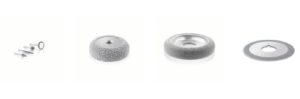
Tire repair requires precision, consistency, and the right equipment to ensure safe and long-lasting results. Before a puncture repair or section repair can be completed, the damaged area must be properly prepared to create a clean surface that allows repair materials to bond effectively. This preparation process relies heavily on specialized buffing tools designed for controlled rubber removal without damaging the surrounding tire structure.

Choosing the right tire repair buffing tools for technicians is essential for improving repair quality, reducing material waste, and maintaining workplace efficiency. Modern buffing tools are designed to remove damaged rubber while minimizing heat buildup, helping technicians prepare repair areas more accurately and consistently. Proper surface preparation is widely recognized as one of the most important steps in achieving durable tire repairs.
What Are Tire Repair Buffing Tools?
Tire repair buffing tools are specialized accessories used with pneumatic or electric tire buffers to prepare damaged tire surfaces before repairs are performed. Rather than simply smoothing rubber, these tools remove damaged material while creating a textured surface that improves the adhesion of repair patches and other repair materials.
Common applications include:
- Inner liner preparation
- Puncture repair
- Section repair
- Sidewall repair preparation
- Retread preparation
- Rubber surface cleaning
Different buffing tools are designed for specific repair applications, allowing technicians to achieve accurate and consistent results.
Why Proper Surface Preparation Matters
The quality of a tire repair depends largely on how well the damaged area is prepared.
Proper buffing helps:
- Remove damaged rubber
- Eliminate contaminants
- Create an even repair surface
- Improve patch adhesion
- Reduce repair failures
Poor preparation may result in weak bonding, shortened repair life, or additional maintenance requirements.
Features to Look for in Professional Buffing Tools
Selecting the appropriate tire repair buffing tools for technicians involves evaluating several important characteristics.
Controlled Material Removal
Professional buffing tools should remove rubber efficiently while allowing technicians to maintain precise control over the repair area.
Long Service Life
Durable tools reduce replacement frequency and help maintain consistent repair quality over extended periods of use.
Consistent Surface Finish
Uniform surface preparation supports stronger adhesion by creating an evenly textured repair area before patch installation. Structured cutting tools are designed to produce a more consistent finish than conventional abrasive wheels while generating less heat.
Types of Tire Buffing Tools
Different repair situations require different tool designs.

Common options include:
- Flared contour wheels
- Round buffing wheels
- Carbide rasps
- Rotary knife blades
- Sidewall buffing wheels
- Cup-shaped buffing tools
Each type is intended for specific repair tasks depending on tire size, repair location, and the amount of rubber removal required.
Best Practices for Using Buffing Tools
Proper technique is just as important as selecting the correct tool.
Technicians should:
- Inspect the tire before beginning repairs.
- Use the appropriate operating speed.
- Avoid excessive pressure during buffing.
- Keep the tool moving to prevent uneven material removal.
- Clean the repair area after buffing.
- Replace worn tools when cutting performance declines.
Following these practices helps produce consistent repair surfaces while extending tool life.
Common Mistakes to Avoid
Even experienced technicians can reduce repair quality by making avoidable mistakes.
These include:
- Using worn or damaged buffing tools.
- Applying excessive pressure.
- Buffing beyond the repair area.
- Operating tools at incorrect speeds.
- Skipping surface cleaning after buffing.
Attention to detail throughout the preparation process contributes to safer and more reliable repairs.
Advances in Tire Repair Tool Technology
Modern tire repair tools continue to evolve through improvements in design and materials.
Recent developments include:
- Precision cutting geometries
- Improved heat management
- Longer-lasting cutting surfaces
- Enhanced ergonomic designs
- Specialized tool profiles for different tire applications
Many professional buffing tools now use structured cutting technology that mechanically removes rubber rather than relying solely on abrasive grinding. This approach can improve control, reduce heat generation, and create a more uniform repair surface.
Conclusion
Using the right equipment and following proper repair procedures are essential for producing safe, durable, and high-quality tire repairs. Many professional buffing tools incorporate tungsten carbide cutting surfaces because of their durability, efficient rubber removal, and ability to create a consistent repair texture. Investing in quality tire repair buffing tools for technicians helps improve repair accuracy, increase productivity, and support reliable performance across a wide range of tire service applications.