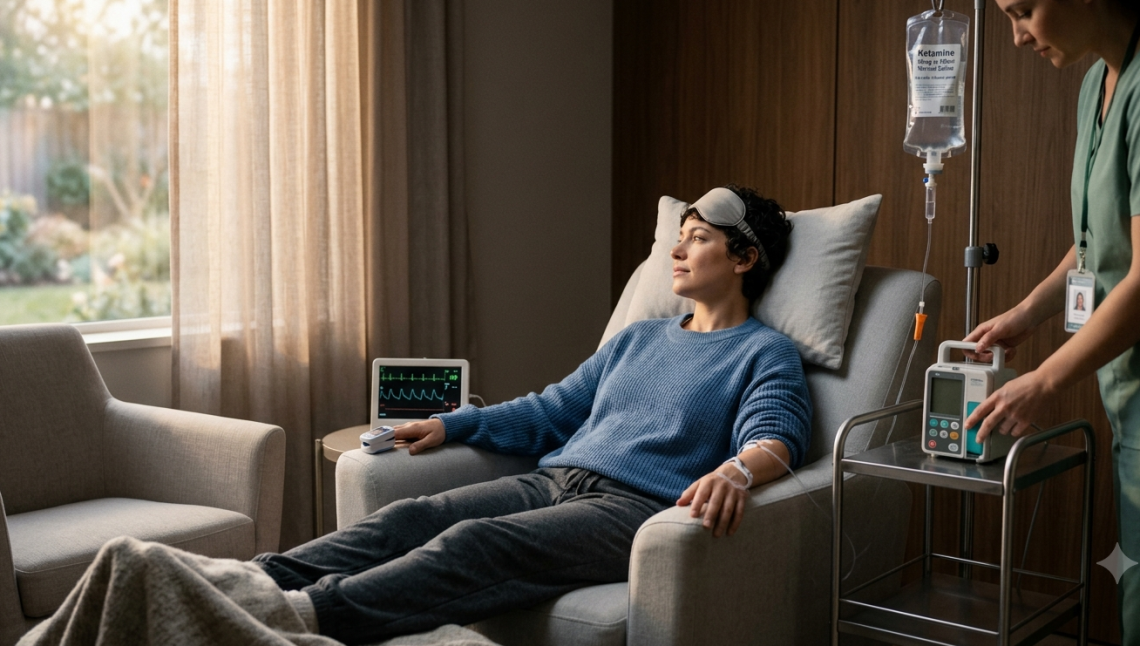
Trying a new treatment for depression can feel intimidating, especially when conventional medications have not provided enough relief. Ketamine Infusion Therapy is increasingly considered for certain people with treatment-resistant depression because some patients experience symptom improvement within hours or days rather than several weeks. Knowing what happens before, during, and after an infusion can reduce uncertainty and help patients approach the appointment with realistic expectations.
Preparing for Your First Infusion
Treatment should begin with a detailed medical and psychiatric assessment. A clinician will normally review your diagnosis, current symptoms, previous treatments, medications, allergies, physical health, and history of alcohol or substance misuse.
The provider may pay particular attention to cardiovascular conditions because ketamine can temporarily increase blood pressure and heart rate. FDA prescribing information states that injectable ketamine should not be used when a significant rise in blood pressure would create a serious health risk. Respiratory depression and apnea are also recognized risks, particularly with excessive doses, rapid administration, or combinations involving other sedating substances.

Patients should tell the provider about every prescription medication, over-the-counter drug, and supplement they use. Benzodiazepines, opioids, alcohol, and other central nervous system depressants may increase sedation or breathing risks when combined with ketamine.
The clinic will provide instructions about eating, drinking, and taking regular medication before the appointment. Requirements vary, so patients should follow their provider’s instructions rather than relying on general advice found online.
Transportation should also be arranged in advance. Ketamine may temporarily affect coordination, perception, alertness, and judgment. Patients should not expect to drive themselves home or return immediately to safety-sensitive work.
It is important to understand that intravenous ketamine is FDA approved as an anesthetic, not specifically as a psychiatric medication. Its use for depression is therefore considered off-label. Off-label treatment is legal and common in medicine, but patients should receive a clear explanation of the evidence, uncertainties, possible benefits, and risks before agreeing to treatment.
What Happens During the Infusion?
At the clinic, a healthcare professional usually checks vital signs before treatment begins. These may include blood pressure, pulse, breathing rate, and oxygen saturation. An intravenous line is then placed in the arm so the medication can be delivered at a controlled rate.
A frequently studied psychiatric protocol uses approximately 0.5 milligrams of ketamine per kilogram of body weight administered over about 40 minutes. However, dosing can vary according to the patient, diagnosis, clinical protocol, and response. The provider should calculate and manage the dose rather than following a one-size-fits-all formula.
During Ketamine Infusion Therapy, the patient generally remains awake while seated or reclined in a quiet room. Staff members continue checking vital signs and remain available if uncomfortable effects develop. Clinical guidance recommends close monitoring of blood pressure, heart rate, and oxygen saturation during administration and through the immediate recovery period.
The subjective experience varies. Some people feel relaxed, light, or removed from their normal worries. Others experience dissociation, which may feel like separation from the body or surroundings. Time, sound, distance, and physical sensations may temporarily seem unusual.
Possible short-term effects include:
- Dizziness or light-headedness
- Nausea
- Blurred vision
- Drowsiness
- Increased blood pressure
- Changes in perception
- Anxiety or confusion
- Reduced coordination
These effects often fade after the infusion stops, although their intensity and duration differ among patients. Blood pressure increases are generally temporary, but significant elevations can occur and may require the infusion to be paused or stopped. Studies and clinical reviews consistently identify increased blood pressure and heart rate among the most common physical effects requiring observation.
Consider a patient who arrives feeling nervous after several unsuccessful antidepressant trials. During the infusion, they may initially notice heaviness in their arms, altered awareness of time, or a dreamlike feeling. A nurse monitors their blood pressure and asks how they are feeling. After the medication ends, those sensations gradually decrease while the patient rests under supervision.
That experience is common enough to be recognizable, but no two sessions are identical.
Recovery and Results After the Session
After the infusion, the patient remains at the clinic until the care team determines that vital signs, alertness, and coordination are sufficiently stable. Some clinics observe patients for at least an hour after administration, while the exact recovery period depends on the protocol and the patient’s response.
Patients may feel tired, mentally foggy, emotional, or slightly unsteady for several hours. They should avoid driving, operating machinery, drinking alcohol, making major decisions, or performing hazardous work until their provider says it is safe.
Mood changes may appear quickly, although improvement is not guaranteed. In a randomized trial involving adults with treatment-resistant depression, 64 percent of patients receiving intravenous ketamine met response criteria after 24 hours, compared with 28 percent receiving midazolam. A response meant a meaningful reduction in symptoms, not necessarily complete remission.
One infusion may not provide enough information to judge the final outcome. In a study of repeated treatments, 59 percent of participants eventually met response criteria, and the median patient required three infusions before responding.
Relief may also fade. A repeated-infusion study reported a median relapse time of 18 days after the final treatment among patients who initially responded. This is why Ketamine Infusion Therapy often forms part of a broader plan involving additional infusions, psychotherapy, medication management, sleep improvement, and ongoing psychiatric care.
Patients should track changes in mood, sleep, energy, anxiety, functioning, and side effects. Clear reporting helps the clinician decide whether treatment should continue, change, or stop.
Conclusion
Ketamine Infusion Therapy is a structured medical procedure rather than a quick wellness treatment. Patients should expect careful screening, intravenous administration, continuous monitoring, temporary perceptual effects, and a supervised recovery period.
The treatment may reduce depressive symptoms quickly for some patients, but results vary and may not last without continued care. Before scheduling a session, patients should ask who will administer the medication, how vital signs will be monitored, what emergency procedures are available, and how progress will be measured. A reputable provider will answer those questions directly and place patient safety ahead of salesmanship.