Author
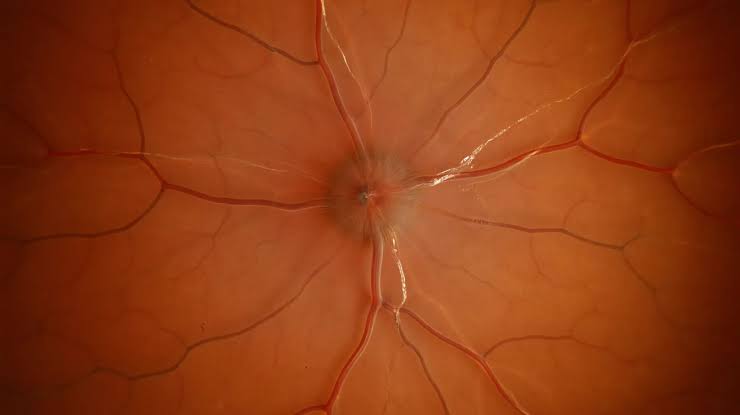
An epiretinal membrane is a thin layer of scar tissue that forms on the surface of the retina and it is common in patients old enough to be having cataract surgery. It often produces no symptoms at all and is discovered during the pre operative examination. When it does affect vision it changes what the cataract operation can realistically achieve which makes the conversation at consultation particularly important.
What an Epiretinal Membrane Actually Is
The membrane is a fine sheet of cells that grows across the macula the area responsible for fine central vision. It contracts slowly and wrinkles the retinal surface beneath it. The result is distortion rather than simple blurring which patients often describe as lines appearing bent or wavy.

Why It Matters Before Cataract Surgery
A cataract dims and blurs the entire image while a membrane distorts the centre of it. Removing the cataract clears the view but it does not flatten the retina beneath. Patients who expect perfect sharpness afterwards are sometimes disappointed when the distortion remains.
How Common It Is Alongside Cataracts
The condition is found frequently in the age group presenting for cataract surgery and often in both eyes to varying degrees. Many patients have a mild membrane that has never caused a problem and may never do so. The decision about whether it needs treatment depends on how much it is affecting vision rather than on its presence alone.
Symptoms That Point to the Membrane
The characteristic complaint is distortion rather than blurring.
-
Straight lines appearing bent or wavy
-
Difficulty reading small print even with the correct glasses
-
A central patch that feels smudged despite clear surroundings
Whether Both Can Be Treated Together
Combined surgery is performed in Australia when the membrane is significant and visually limiting. Removing the membrane requires vitrectomy which is a larger procedure than cataract surgery alone. Anyone reviewing the cataract surgery cost of a private procedure should ask whether a combined approach would be quoted separately.
The Staged Approach and Why It Is Common
Many surgeons prefer to remove the cataract first and assess how much the membrane is actually contributing to the visual problem. Some patients find their vision improves substantially and the membrane never needs treatment. Where distortion remains troublesome the retinal surgery is planned afterwards.

The Order That Suits the Eye
Providers such as this Gold Coast clinic assess the retina in detail before recommending a sequence because the answer varies between eyes. A mild membrane with clear central vision usually means cataract surgery alone. A dense membrane causing real distortion often means addressing the retina as well.
Realistic Expectations After Surgery
Cataract surgery reliably improves brightness colour and contrast in eyes with a membrane. Central sharpness depends on how much the retina has been affected and that should be discussed honestly beforehand. Most patients notice a meaningful gain even when some distortion persists.
Recovery Differences to Plan For
Recovery follows the standard pattern for cataract surgery alone with drops for about a month. Where a vitrectomy is also performed the restrictions are longer and positioning instructions may apply. Patients comparing the laser eye surgery cost gold coast figure should note that refractive surgery does not address retinal surface problems at all.
Questions Worth Asking
A short list makes the consultation more useful.
-
How much is the membrane affecting my central vision
-
Should the cataract or the membrane be treated first
-
What level of sharpness is realistic after surgery
Final Thoughts
An epiretinal membrane does not prevent cataract surgery but it does set a ceiling on how sharp the result can be. Understanding that limit in advance prevents disappointment and guides the timing of any retinal treatment. The retina and the lens deserve to be considered together rather than separately.